Trying to decide between a condo at Iowa River Landing and a single-family home in North Coralville? You are not alone. Your choice will shape your daily routine, monthly budget, and long-term resale options. In this guide, you will compare lifestyle, maintenance, HOA rules, financing, taxes, flood risk, and resale so you can buy with confidence. Let’s dive in.
Quick overview: two lifestyles
Iowa River Landing condos
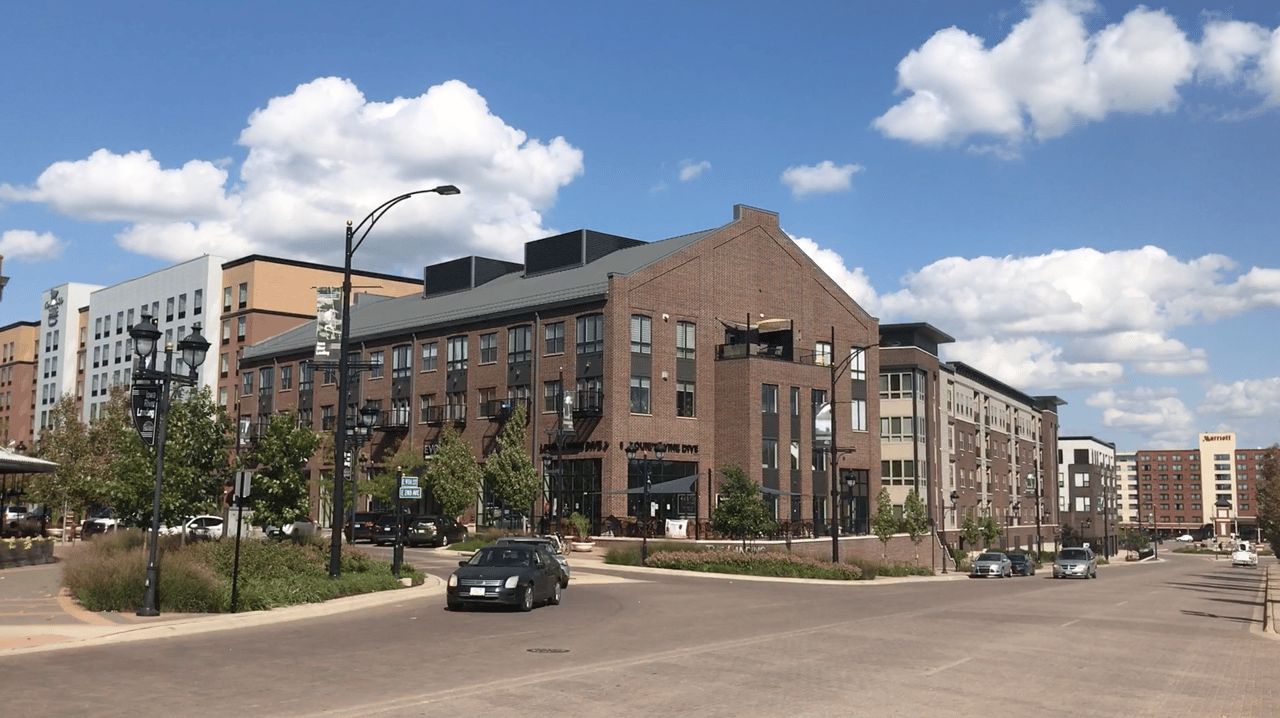
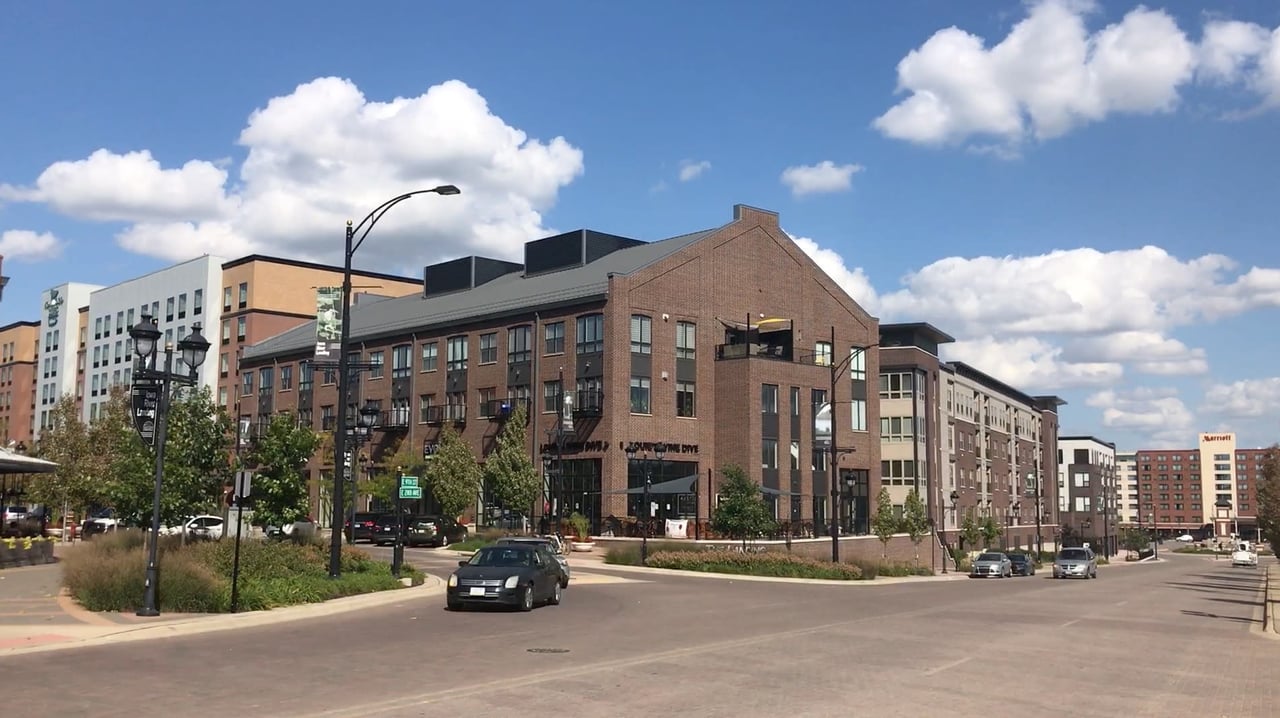
IRL offers a mixed-use, riverfront setting with dining, retail, parks, and trails close by. You get low-maintenance living, high walkability, and easy access to Coralville’s retail corridor. This suits downsizers, professionals, and anyone who values a lock-and-leave lifestyle.
North Coralville single-family homes
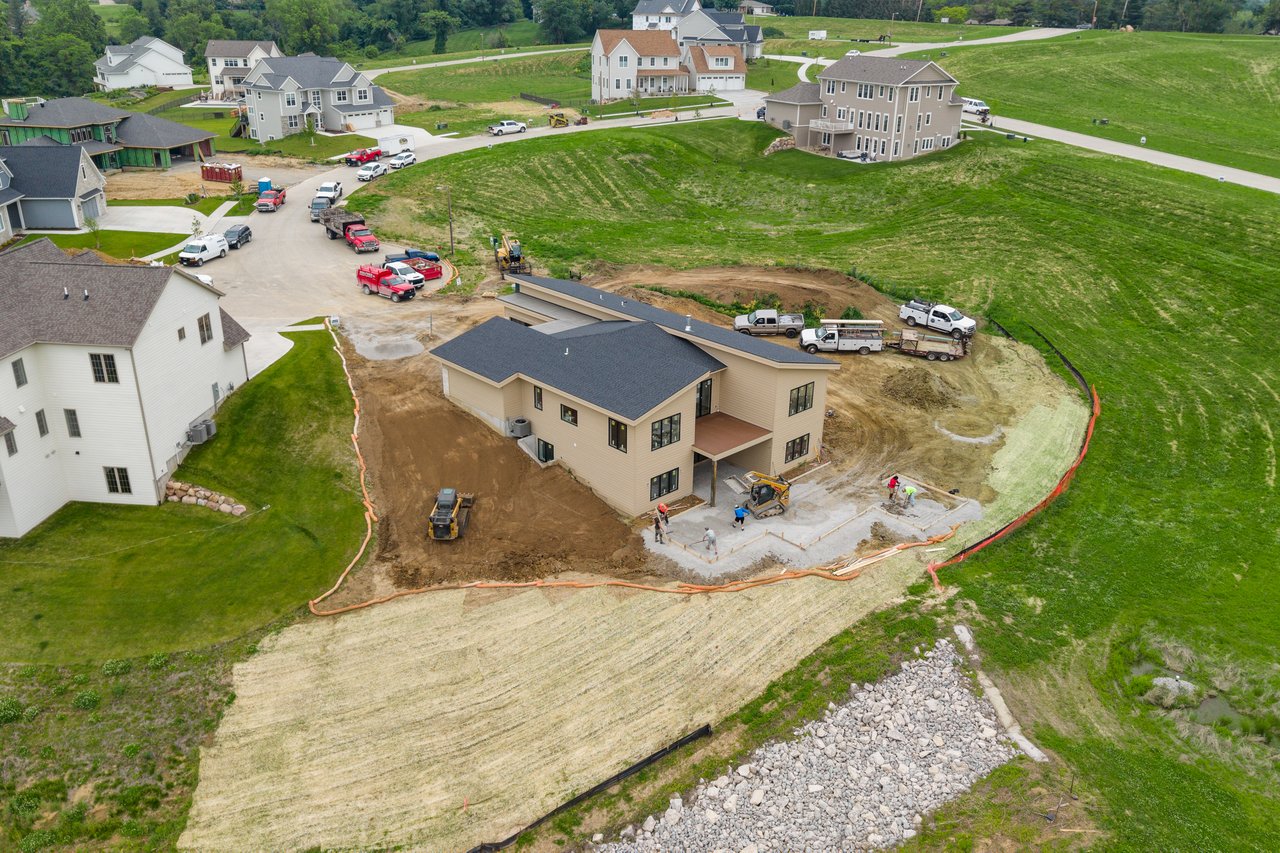
North Coralville neighborhoods emphasize space and privacy. You will typically find detached homes with yards, driveways or garages, and a range of ages and styles. This setup fits buyers who want more indoor and outdoor space and flexibility with landscaping and exterior choices.
Daily living and amenities
What you will notice day to day
- Condos: Shared walls and floors mean construction quality and sound transfer matter. Many buildings offer shared spaces like lobbies, elevators, parking garages, and sometimes fitness rooms or rooftop decks. Landscaping, snow removal, and trash are usually handled for you.
- Single-family: You manage yard care, snow removal, and exterior upkeep. You get more privacy and the freedom to tailor your property’s exterior and landscaping.
Rules and community standards
- Condos: You will follow HOA bylaws, CC&Rs, and building rules. Pay close attention to pet policies, rental limits, and use of common areas.
- Single-family: Some subdivisions have HOAs for common areas and covenants, but scope is usually smaller than condo associations.
HOA essentials for IRL condos
Before you write an offer, review the association. Strong governance supports stable fees and resale value.
- Monthly fees: Know what your fee covers, such as building exterior, common areas, reserves, insurance, landscaping, snow removal, elevator servicing, trash, and possibly some utilities.
- Reserves and studies: Ask for the reserve study and recent audited financials. Adequate reserves reduce special assessment risk.
- Insurance: The association typically insures the building shell and common areas. You will need an HO-6 policy for interior finishes, personal property, liability, and loss assessment coverage.
- Rules and restrictions: Read CC&Rs, bylaws, and house rules. Confirm pet policies, rental caps, owner-occupancy requirements, parking and storage rules, and guest policies.
- Special assessments and litigation: Request board meeting minutes, recent financial statements, records of any special assessments, and information on pending litigation.
- Financing impact: Some loan programs review condo projects. If you plan to use FHA or VA, confirm project eligibility with your lender.
For development updates and zoning context, check the City of Coralville’s planning pages. For comps and recent sales, use your agent’s MLS access through the Iowa City Area Association of REALTORS.
Maintenance and insurance: who pays for what
Condos
- The association typically covers the exterior, roof, common systems, landscaping, and common area maintenance. Some buildings centralize utilities or services.
- You cover your unit’s interior systems and finishes, plus an HO-6 policy. Monthly fees are predictable, but special assessments can occur if reserves are low.
Single-family homes
- You are responsible for the entire structure, exterior, yard, and all systems. You choose when to tackle big-ticket items like a roof or HVAC replacement.
- You carry a homeowners policy that generally insures the full structure, personal property, and liability. Premiums are often higher than a condo’s HO-6 because coverage is broader.
Financing, taxes, and monthly costs
Financing differences
- Condos: Lenders review the association’s financial health, owner-occupancy, and any pending issues. Some loan programs, including FHA and VA, may require project approval.
- Single-family: Underwriting is usually more straightforward if you qualify for the chosen loan type.
Property taxes and records
Property tax bills depend on assessed value and local mill rates. Verify assessed values, property class, and history through the Johnson County Assessor. For recorded documents, visit the Johnson County Recorder.
Your monthly bottom line
- Condos: Mortgage + HOA fee + HO-6 insurance + property tax + any utilities not included.
- Single-family: Mortgage + homeowners insurance + property tax + utilities + lawn/snow services + maintenance reserves.
HOA fees can shift affordability. Always compare the total monthly carry, not just the mortgage payment.
Flood and riverfront checks
IRL’s proximity to the Iowa River adds a step to your due diligence. Flood risk varies by building and even by unit elevation. Confirm the property’s FEMA flood zone, and ask whether the building carries flood insurance and what it covers.
- Use the FEMA Flood Map Service Center to identify the flood zone.
- Review local data and river gauges at the Iowa Flood Center.
If a mortgage is involved and the property is in a high-risk zone, flood insurance may be required. Clarify whether building-level coverage extends to interiors or if you need a separate policy.
Resale and investment outlook
IRL condos
Walkability, amenities, and a low-maintenance lifestyle support demand from downsizers, professionals, and buyers who value convenience. Condo markets can be more sensitive to new supply entering at once. Strong association governance, healthy reserves, and clear rules help protect value and marketability.
North Coralville single-family homes
Detached homes often draw a wider buyer pool seeking space, yards, and privacy. Resale performance is influenced by lot features, neighborhood stability, curb appeal, and maintenance history. Well-maintained homes tend to sell faster and at stronger prices relative to peers.
If you plan to rent before selling, confirm any condo rental caps, and review single-family landlord responsibilities and local rules with your agent and property manager.
Decision checklist for Coralville buyers
Use this quick list while touring.
- Total monthly cost: Compare mortgage, HOA, insurance, taxes, utilities, and maintenance reserves.
- HOA health: Review financials, reserve study, insurance declarations, meeting minutes, and any assessments or litigation.
- Rules and lifestyle fit: Pet policies, rental caps, parking/storage, guest policies, exterior alteration rules.
- Financing: If FHA or VA is in play, confirm condo project eligibility with your lender.
- Flood: Check FEMA flood zone and review building vs unit flood coverage.
- Parking and storage: Understand assigned spaces, guest parking, and storage units.
- Noise and construction: Ask about soundproofing and building materials; consider unit placement.
- Future development: Follow City of Coralville updates to gauge potential changes to views, traffic, and neighborhood activity.
- Resale market: Compare days on market and price trends for nearby IRL condos and North Coralville single-family comps via your agent and the local MLS.
- Convenience: Map routes to work, University of Iowa facilities, groceries, medical services, and trails.
Which is right for you?
Choose an IRL condo if you value walkability, convenience, and lower-maintenance living, and you are comfortable with HOA rules and fees. Choose a North Coralville single-family home if you want more space, a yard, and control over maintenance timing and exterior choices. Either path can be a strong move when you verify the numbers, the rules, and the long-term fit.
If you want a clear, side-by-side view of your best options, request a tailored comparison that includes HOA documents, flood checks, and recent comps. For a design-savvy, data-forward approach to your next move, connect with Adam Pretorius to get started.
FAQs
Which is cheaper monthly in Coralville, a condo or a single-family home?
- It depends on the condo’s HOA fee and what it covers, versus the higher insurance and maintenance you carry on a house; compare the total monthly carry for each.
What HOA documents should I review before buying an IRL condo?
- Ask for recent financials, the reserve study, insurance declarations, CC&Rs and bylaws, board meeting minutes, and any records of special assessments or litigation.
Do IRL condos require special insurance or flood coverage?
- You will need an HO-6 policy for interior finishes and belongings; flood insurance depends on the FEMA flood zone and building coverage, so verify details before closing.
Can I use FHA or VA financing on an IRL condo?
- Possibly, but the project must meet program requirements; confirm eligibility with your lender early in the process.
How do resale dynamics differ between condos and single-family homes?
- Condos can be more sensitive to new supply and HOA health, while single-family homes typically draw a broader buyer pool and hinge on lot features, condition, and curb appeal.
Where can I verify taxes, flood maps, and local planning info?
- Use the Johnson County Assessor for tax records, the FEMA Flood Map Service Center and Iowa Flood Center for flood risk, and the City of Coralville for planning updates.