Planning to sell a historic home on Iowa City’s Northside this spring? You want to honor its character while making sure it shines in photos and showings. With a few preservation-minded updates and a clean, neutral look, you can attract more buyers and command a stronger price. Here is a clear, step-by-step staging plan tailored to Northside and Longfellow homes that helps you protect original details and deliver a polished, market-ready presentation. Let’s dive in.
What makes Northside homes unique
Northside and Longfellow feature many late-19th and early-20th century houses with front porches, original woodwork, built-in cabinetry, and plaster walls. You will also see a mix of styles commonly found in Midwestern historic neighborhoods, such as Queen Anne, American Foursquare, Craftsman or bungalow, and Colonial Revival. Before you make style-based choices, confirm your home’s architectural style so your staging choices feel authentic. The goal is to highlight character while simplifying the visuals for today’s buyer.
Start with a preservation plan
Step 1: Assessment
- Walk room by room and document character-defining elements like trim, mantels, staircases, floors, and built-ins.
- Flag any safety or code issues first, such as electrical hazards, leaks, or structural concerns.
- Prioritize in this order: safety and major systems, curb appeal, then interior staging and decluttering.
Deliverable: a short list of high-priority repairs, what to preserve, and which updates should be reversible.
Step 2: Preservation-first decisions
- Keep original woodwork, doors, built-ins, and hardware when possible. Refinish or clean instead of replacing.
- Choose reversible updates like paint, lighting, and hardware rather than permanent changes that remove historic fabric.
- If you are considering exterior work, contact the City of Iowa City’s Historic Preservation or Planning staff to confirm whether approvals are required for your property.
Declutter and edit for scale
Oversize furniture can make historic rooms feel tight. Remove extra pieces so traffic flows easily between doorways and conversation areas. Pack personal items and most collectibles, leaving a few curated, period-friendly accents. Clear basements and attics so buyers can visualize storage.
Neutral, period-sensitive paint
- If your home has natural wood trim, keep it and choose wall colors that complement it, such as warm off-white, soft greige, muted sage, or blue-gray.
- If trim is already painted and looks tired, repaint in a soft, slightly warm white for a clean, sympathetic look.
- Avoid stark bright-white walls. They can wash out detail in photos and make rooms feel cold.
Lighting that sells the house
Good lighting is one of the highest-impact upgrades for showings and photography.
- Install LED bulbs with high color rendering (CRI 90 or higher).
- Keep color temperature consistent room to room, about 2700 to 3500K, to preserve a warm, welcoming feel.
- Layer the light. Use overhead, task, and accent lamps to highlight mantels, built-ins, and staircases.
- Replace non-functioning or very dated fixtures with simple, period-appropriate options that can be swapped back if needed.
Floors and rugs
Original hardwood floors are a top selling feature. Refinish or spot-refinish where needed, then use area rugs to define seating and dining zones without hiding the wood. Choose sizes that anchor the furniture and show adequate border around the rug.
Kitchens and baths: smart refreshes
You do not always need a full historic remodel to impress buyers.
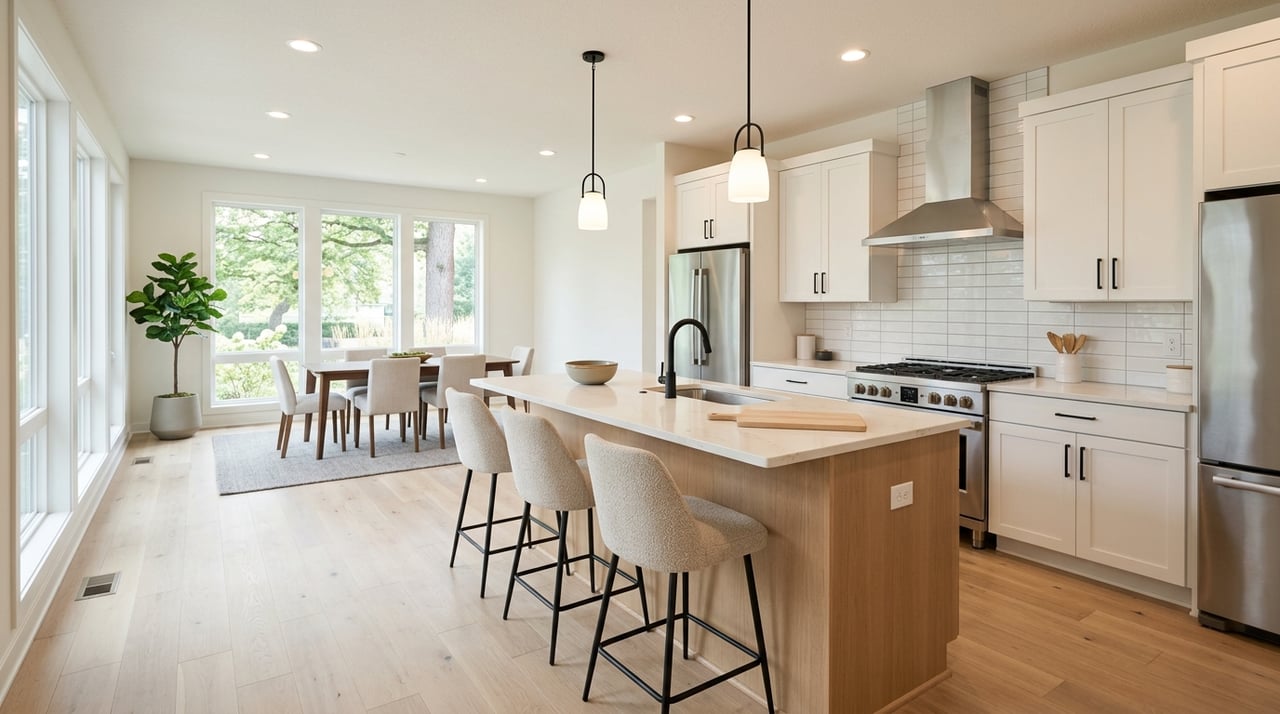
- Consider cosmetic updates like painting cabinets, adding classic hardware in brass or bronze, a sympathetic backsplash, and better lighting.
- If replacing items, choose simple, timeless profiles that suit the home’s era rather than ultra-glossy modern styles.
- In baths, reglaze existing tubs or choose fixtures that read as classic and clean.
Windows and textiles
Maximize natural light with simple window treatments. Linen or cotton draperies, roller shades, or wooden blinds work well. Avoid heavy modern draperies or vertical blinds that can feel out of place and block light.
Spring curb appeal that pops
First impressions matter, especially online.
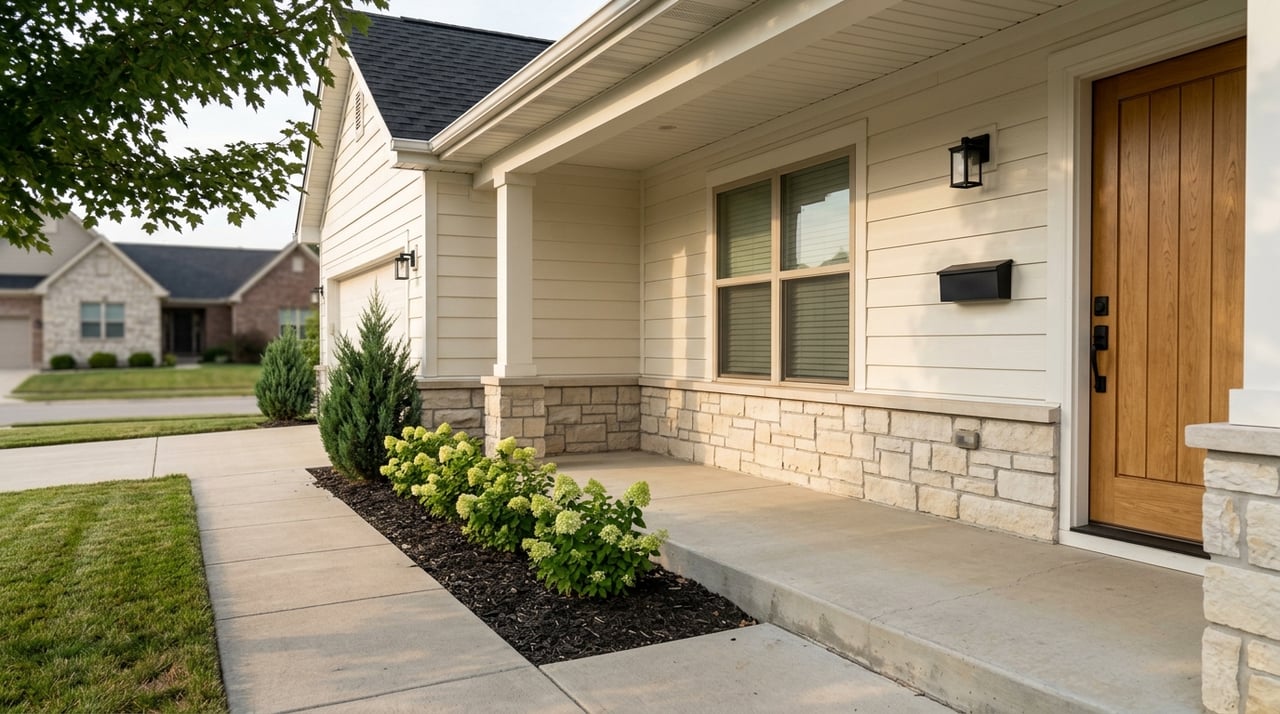
- Clean walks and gutters, prune shrubs, refresh mulch, and add early seasonal bulbs or potted flowers.
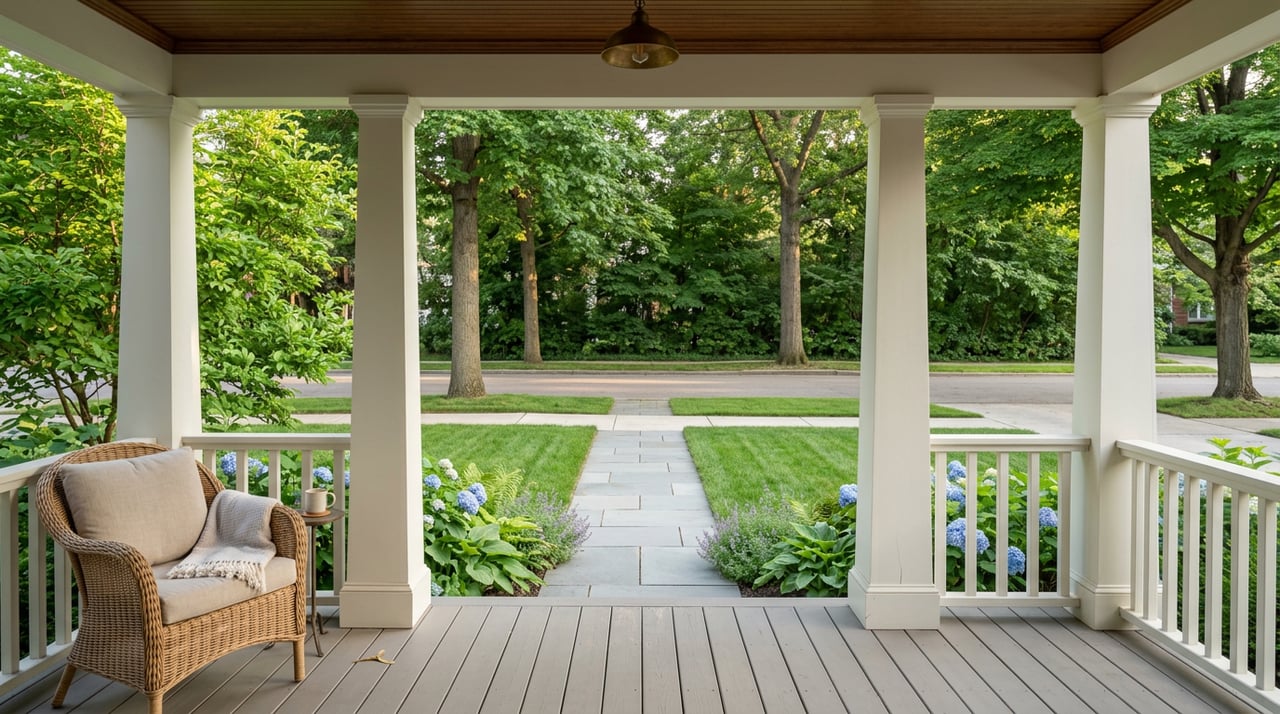
- Touch up the porch, railings, and front door paint. Stage the porch with seating and subtle textiles.
- Make sure exterior lighting is clean and working so evening photos and showings feel warm and safe.
Safety, disclosures, and historic rules
For homes built before 1978, federal law requires a lead-based paint disclosure and providing the EPA pamphlet to buyers. Older houses may include materials or systems like asbestos, knob-and-tube wiring, or older heating. Gather service records, repair receipts, and any inspection reports so you can disclose known issues as required.
If your home is in a local or National Register historic district, exterior changes often require review by the City’s Historic Preservation Commission or design review staff. Interior changes are typically not regulated. Contact the City of Iowa City, the Johnson County Assessor or Recorder for property records, and the State Historic Preservation Office to confirm your property’s status and any potential incentives for rehabilitation.
Photography that flatters historic details
Professional photos should showcase original features without losing a sense of scale. Schedule shoots when natural light is best for your home’s orientation, typically mid-morning or late afternoon. Ensure all bulbs match in color temperature so rooms do not look mismatched. Use a photographer experienced with older homes to capture both wide shots and detail vignettes of woodwork, mantels, or built-ins.
Answer buyer questions before they ask
- Safety: Provide lead disclosures if applicable and share any testing or remediation records for hazards like asbestos or older wiring.
- Energy: Outline insulation, HVAC upgrades, storm windows, or window restoration. If upgrades are not complete, be transparent and provide ballpark estimates.
- Maintenance: Share service logs for furnace, water heater, roof, and other systems to reduce uncertainty.
- Layout: Stage an office, reading nook, or flex room to demonstrate modern living within a historic footprint.
- Condition of historic elements: Call out original floors, trim, and any recent preservation work in your marketing.
Budget and ROI snapshot
Typical ranges vary locally, but here is a helpful guide when planning your spend:
- DIY cosmetic staging like paint, decluttering, and basic cleaning: about $500 to $3,000.
- Moderate refresh with lighting, hardware, targeted repairs, and professional cleaning: about $2,000 to $10,000.
- Full professional staging with furniture rental and a stager: about $1,500 to $6,000 or more depending on size and scope.
Obtain multiple local bids for accurate pricing and timelines.
A practical 8-week spring timeline
- 6 to 8 weeks out: Assess the home, confirm any historic-district rules, order inspections, and gather bids.
- 4 to 6 weeks out: Complete priority repairs, deep clean, refinish floors or trim as needed, and paint main rooms.
- 2 to 3 weeks out: Final staging, landscaping refresh, and schedule professional photography.
- 1 week out: Final clean, touch-ups, and photos on a bright day. Prepare disclosures and listing materials.
- Listing week: Launch to align with peak spring buyer activity. Plan showings and an open house for a favorable weekend.
Work with a design-led local team
If you want to protect your home’s character and capture top-of-market interest, pair preservation-minded staging with high-quality media and targeted distribution. Our team brings design and construction fluency, pre-list counsel, and premium photography to help your Northside or Longfellow listing stand out this spring. Connect with Adam Pretorius to start your plan.
FAQs
What paint colors work best for Iowa City Northside historic homes?
- Warm off-white, soft greige, muted sage, or blue-gray complement woodwork and photograph well while keeping the focus on original details.
Do I need approval for exterior changes in a historic district in Iowa City?
- Many exterior changes require review by the City’s Historic Preservation Commission or design staff, so confirm your property’s status before work begins.
How should I handle lead-based paint when selling a pre-1978 home?
- Federal law requires a lead-based paint disclosure and providing the EPA pamphlet, so prepare documentation early and share any testing or remediation records.
What lighting color temperature is best for showings in older homes?
- Use LEDs with CRI 90 or higher and a consistent 2700 to 3500K color temperature to keep spaces warm and cohesive in person and in photos.
When is the best time to list a Northside or Longfellow home in spring?
- Buyer activity typically rises March through May, so aim to finish repairs and staging early to align with peak traffic.
Do I need a full kitchen remodel before listing a historic home?
- Not usually; cosmetic updates like cabinet paint, classic hardware, better lighting, and a sympathetic backsplash can deliver strong impact without a full remodel.