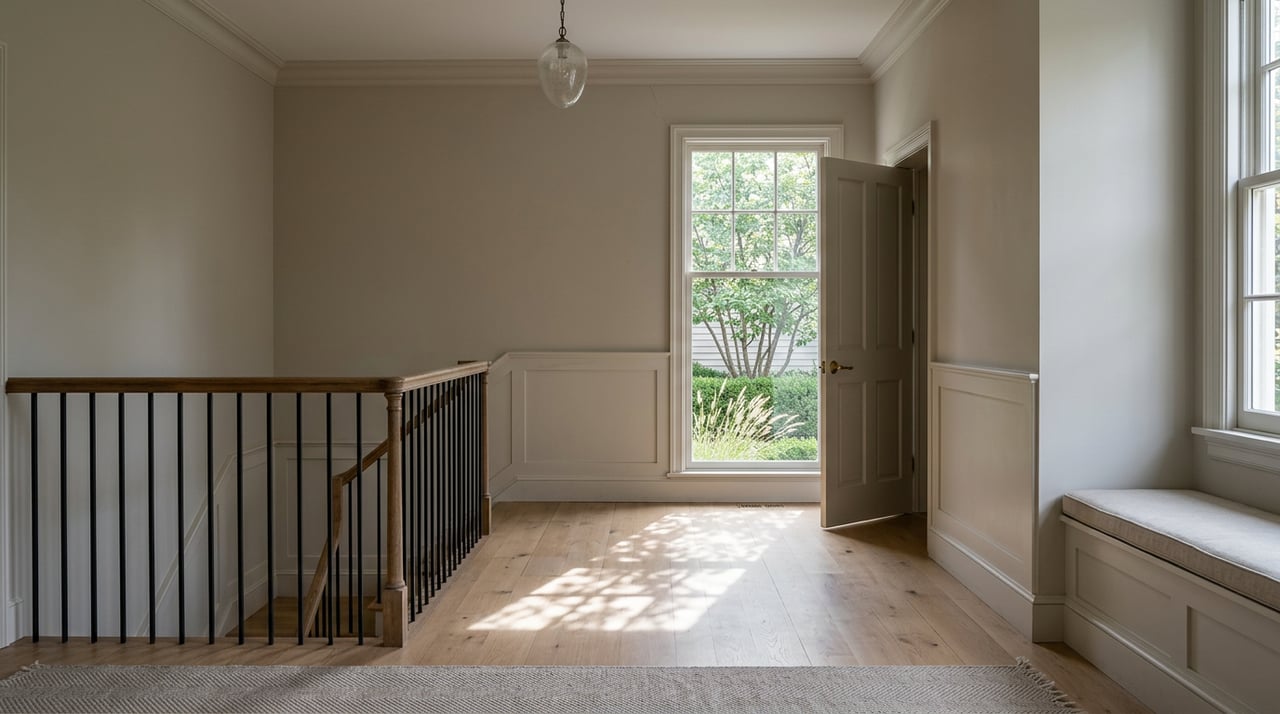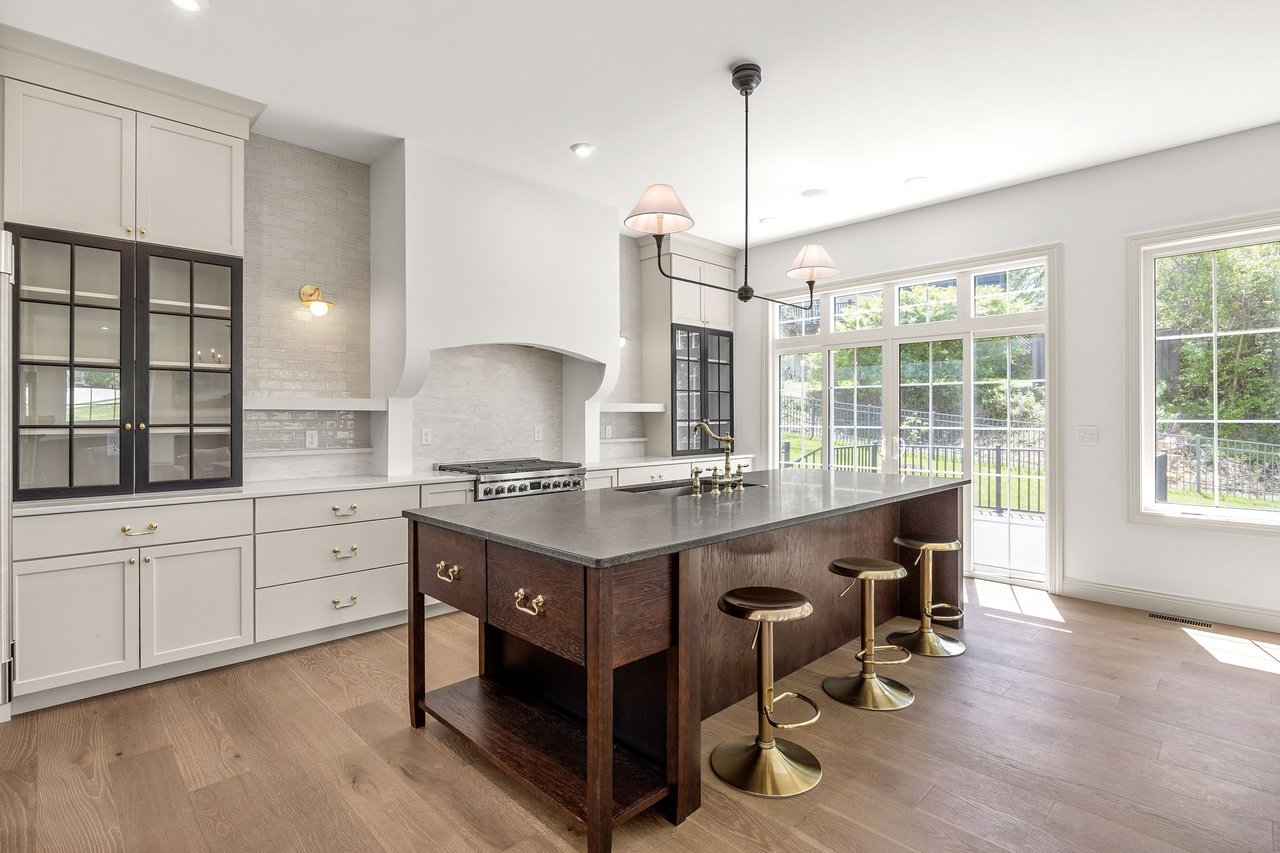
I’ve had more people ask about hardwood flooring lately—specifically stain colors and wood species—as they finalize decisions for new builds and remodels. We spend plenty of time talking paint colors, patterns, and fixtures, but flooring deserves equal attention. And the shift happening right now is—in my opinion—as important as the paint trends.
We’ve moved away from pale, washed-out floors and into richer, warmer palettes. Think medium to dark tones with visible grain and texture. Let's be clear, it's not just about color anymore—it’s about character. Grain definition matters, and that’s where mid-tone stains shine. They enhance natural variation without overpowering the wood, allowing texture to do the talking.
What’s not in? Heavily bleached and washed finishes that dominated the last decade. The same goes for high-gloss coatings. Today’s preference leans toward matte and low-sheen finishes that feel authentic and tactile—finishes that look lived-in rather than laminated.
Choosing the Right Wood Species
Species selection is just as important as stain choice. Woods with subtle variation—like European white oak and walnut—continue to lead, offering depth without visual noise. For a more rustic or expressive look, maple and hickory are still in play, but caution is key. These species absorb stain differently, and heavier applications can push them yellow. A restrained, honey-toned finish tends to work best (trust me, seen this go badly).
Plank Size: Small Is Back (Yes, Really)
Here’s the good news—especially for fellow small-plank fans: narrow planks are resurging. Formats in the 1–2 inch range, popular in the early 20th century, are making a strong comeback as intentional design features.
That said, wide plank isn’t going anywhere. Planks in the 6–8 inch range (and wider) remain the overall mainstay, particularly in open floor plans where they create visual continuity and showcase large sections of natural grain. Wide plank still dominates—but small plank is no longer an afterthought. My take: go for the classic (timeless) thin plank (expect to see more of this as flooring trends favor the thinner plank because hey, you don't have to touch and feel it to know its not LVP).
Pattern Play Is Having a Moment
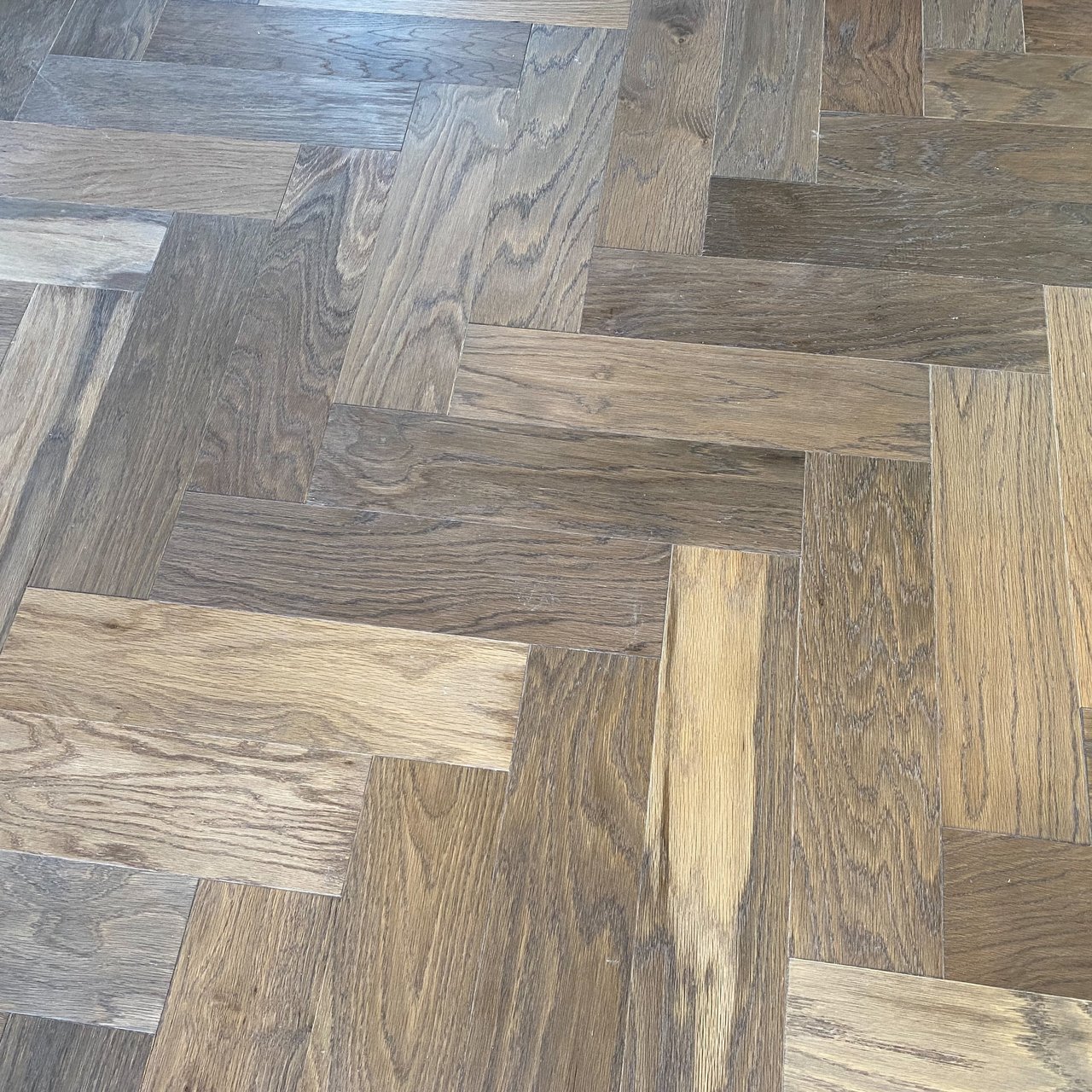
If you’re installing hardwood today, consider a pattern—especially with smaller planks. Herringbone, chevron, mixed widths, and even parquet are trending as statement details. These layouts work especially well in entryways, hallways, and focal rooms where you want the floor to participate in the design.
Hardwood vs. LVP: Let’s Talk Reality
I’m frequently asked about ROI when choosing traditional hardwood versus luxury vinyl plank (LVP), especially in homes with kids and pets. The honest answer? From a resale standpoint, the difference isn’t large enough to override lifestyle needs. If durability and peace of mind matter most, LVP can absolutely make sense.
That said—the purist (and the nostalgic) in me will always side with real hardwood. And the crème-de-la-crème? Laid-in-place hardwood, sanded and stained on site. It ages, it wears, and yes—it dents and scratches. I call that character.
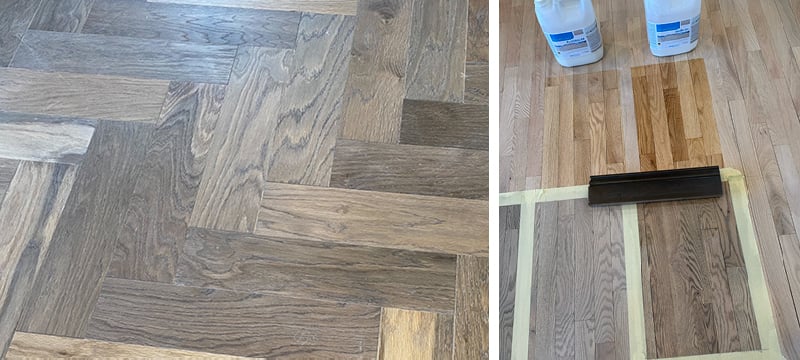
📸 LEFT: Walnut flooring in a herringbone pattern (love); RIGHT: my colleague tries four stain colors on one inch red oak flooring; immediately ruling out bottom left (too gray) and top right (too yellow), which do you think she choose?
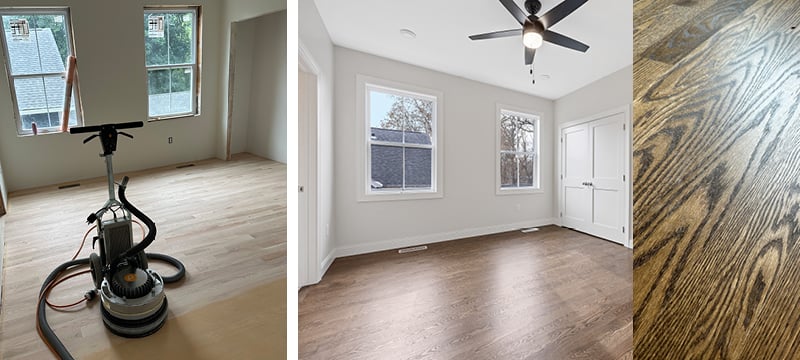
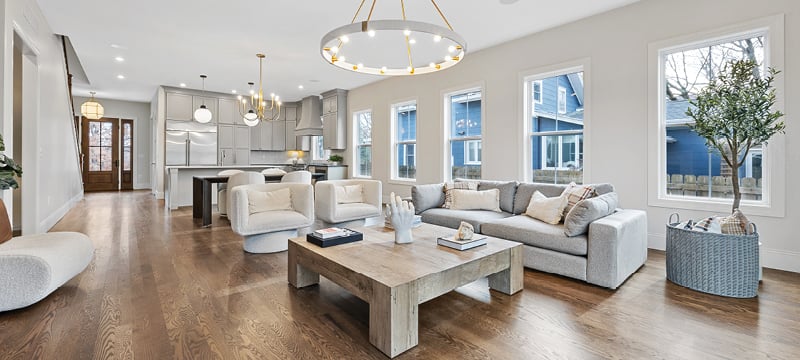
📸: ABOVE: white oak hardwood in a medium stain shows the natural graining
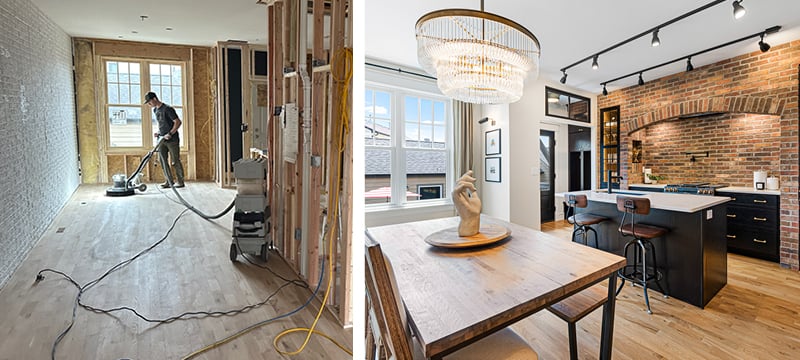
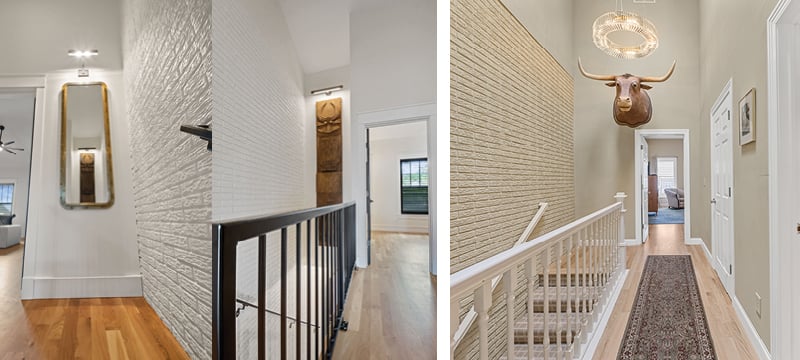
📸 TOP & BOTTOM LEFT: red oak flooring with a medium stain has a variable color depending on light; BOTTOM RIGHT: white oak with no stain, just a sealer, to showcase the natural grains.
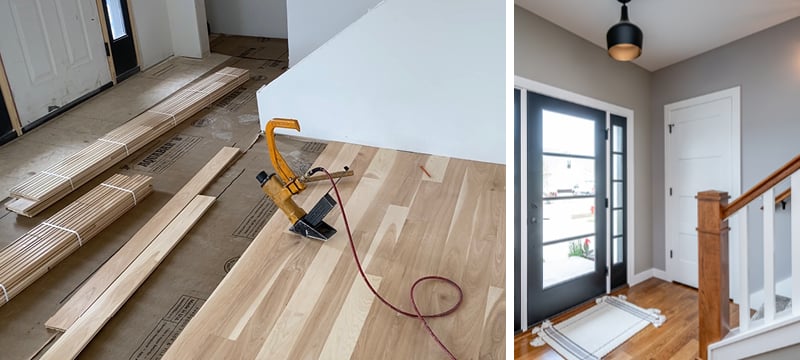
📸 ABOVE: beautiful maple hardwood graining with a medium stain but be cautious on maple, it has the tendency to look yellow