Anyone who’s had a family member downsizing will know my story well. In exciting news for my sister and me—our parents are moving to Iowa City. Well, sort of. After a long debate about keeping both homes, they’ve landed on a very familiar compromise: they’re keeping both. For now.
The decision to downsize is rarely simply. It comes with a surprising amount of emotion. There’s the loss of your network and community ties, the mental exhaustion of coordinating a move, and then the big psychological hurdle: downsizing itself.
Going smaller sounds easy in theory, but the reality is full of difficult adjustments—having less stuff, losing a guest room, giving up hobby space, shrinking the yard, and moving to a smaller kitchen (these are all real examples of parents’ journey). These transitions are bigger than most people expect.
And my parents aren’t even downsizing that dramatically. They’re moving from a large home into a 2,400 square-foot single-level house. But even that shift feels significant. Their new kitchen is under 100 square feet, compared to their current 250 square-feet kitchen designed for entertaining.
Then there’s the loss of the “extra rooms” that once felt essential: the formal dining room, the guest bedroom, the Great Room, the music room, and the library.
Now the challenge becomes figuring out how to incorporate a lifetime of belongings—an office setup, dining credenza, buffet, grand piano, desk—into a home that simply doesn’t have dedicated spaces for everything.
Which brings us to the real goal of downsizing. Downsizing isn’t just about square footage. It’s about changing your mindset. Less space means fewer belongings, fewer rooms to maintain, and ultimately less work.
If you want to truly succeed at downsizing, here’s my advice: be ruthless. Don’t buy the next house to fit your dining table or your grand piano. Buy the house that fits your next chapter—and then buy a new dining table and a smaller piano. Furniture can be downsized too!
In fact, this is one of the rare moments in life where letting go of material things can actually feel freeing. From what I’ve seen—both professionally and now personally—these are the five biggest obstacles people face when trying to “right-size” for retirement.
The Five Biggest Downsizing Obstacles
- The “Where Do I Put My Stuff?” Problem. Most homeowners have 20–40 years of accumulated belongings—furniture, memorabilia, seasonal décor, hobby equipment, and all the “someday” items we convince ourselves we’ll need again.
- Emotional Attachment to the Family Home. A home isn’t just real estate. It’s where birthdays happened, holidays were celebrated, and memories were made. Downsizing means closing a chapter of life, and that’s not easy.
- Where Do We Go? House or Condo? Downsizing requires a clear vision of the next stage of life. My general advice: go smaller than you think you need. Most people adjust faster than they expect.
- Fear of Losing Space. Even when rooms go unused, the idea of having them feels comforting. Letting go of that extra space is often the biggest psychological hurdle.
- The Logistics Are Exhausting. Decluttering, donating, repairs, preparing the home for sale, coordinating movers—downsizing can feel like a full-time job. It’s physically demanding and emotionally draining.
But here’s the encouraging part. Once people get through the process, almost no one regrets it. Less house. Less maintenance. Less stuff. And often, a little more freedom.
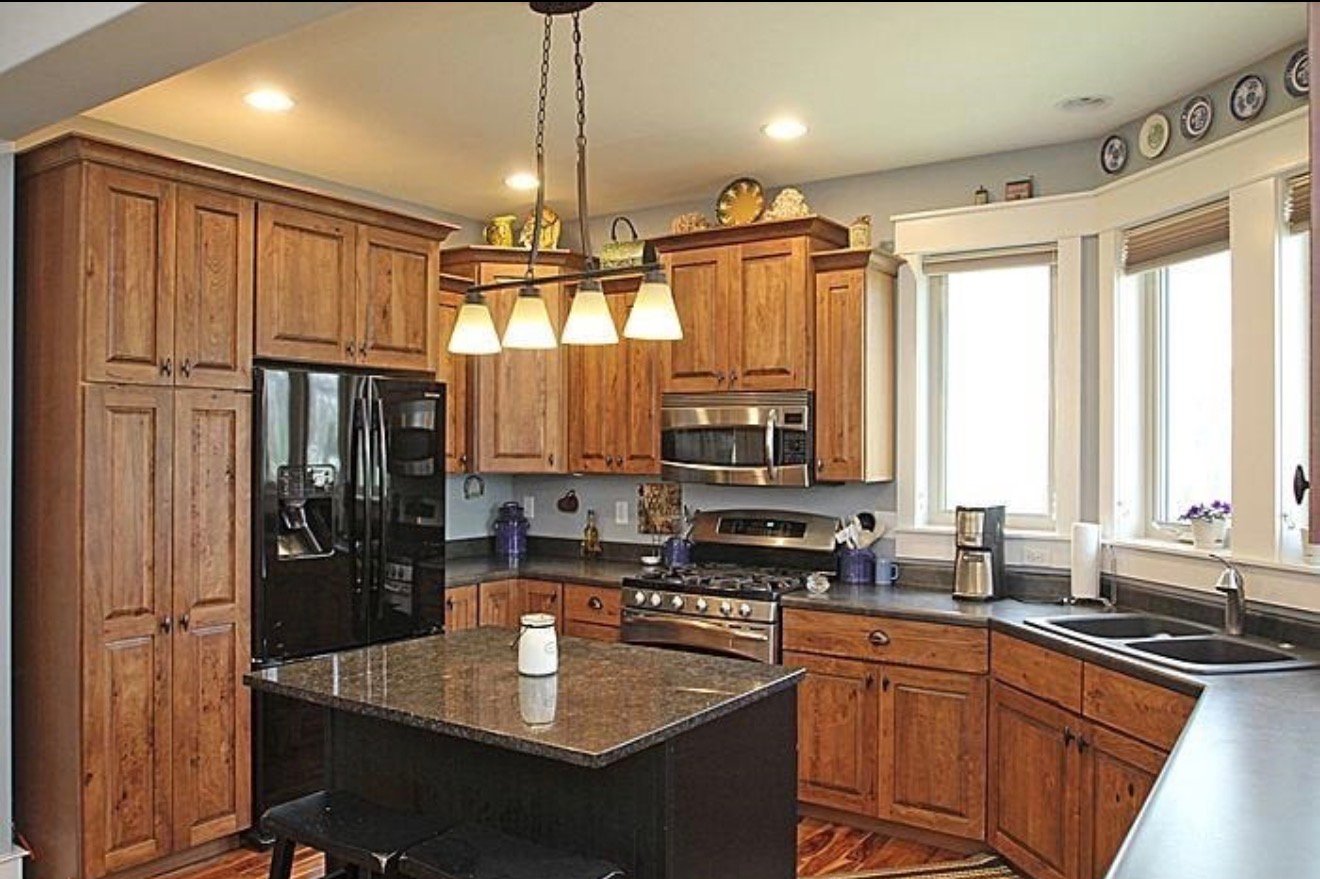
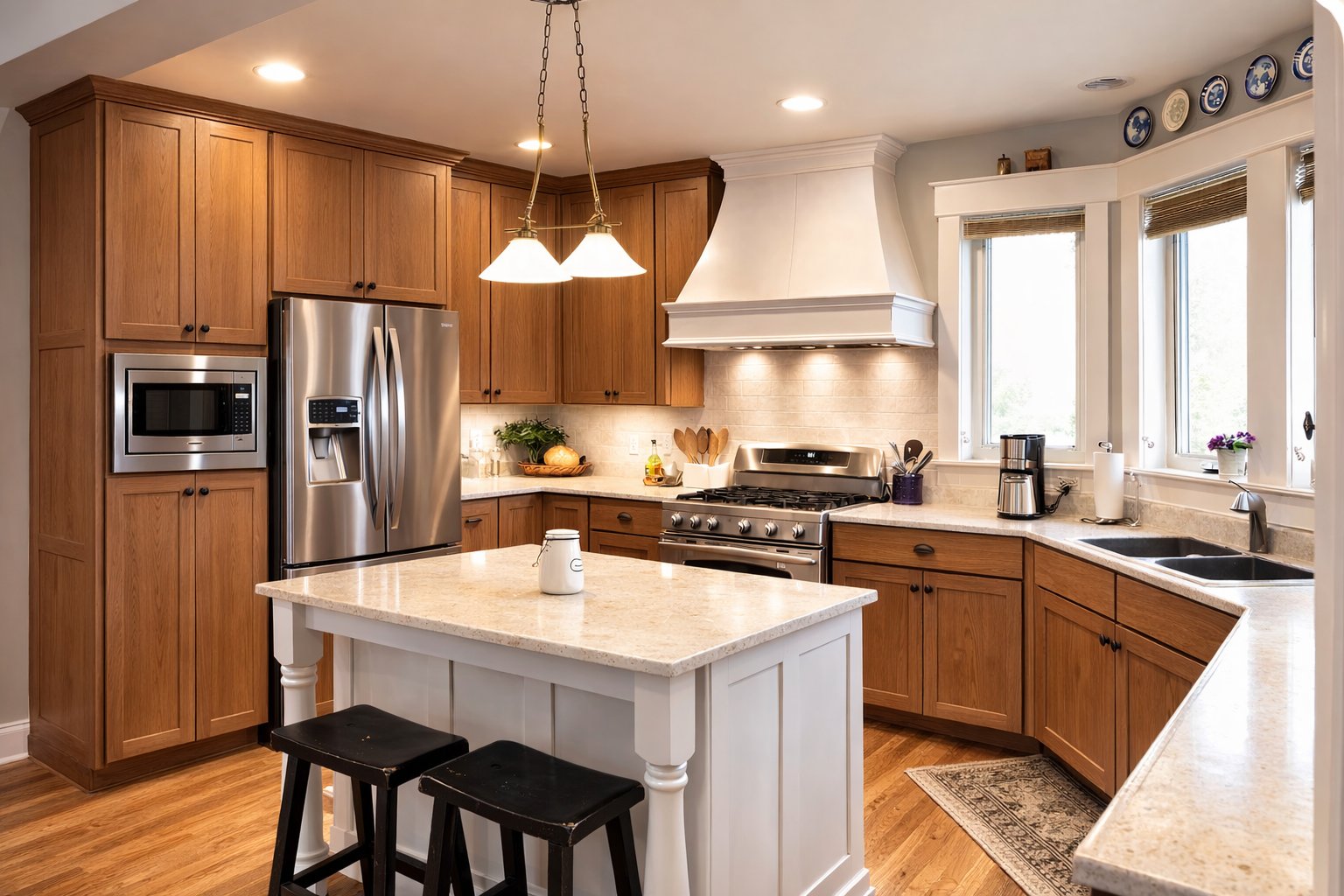
📸 ABOVE: Helping my parents remodel this small kitchen to become a more efficient workhorse for their downsizing needs including an actual vented hood, moving the microwave (and adding a microwave/oven combo), and revisiting the kitchen island (black is not my mothers' taste). To maximize the space, we are replacing the upper cabinets with full-height and expanding the pantry cabinet to fill in the 2" gap currently between the wall and cabinet.