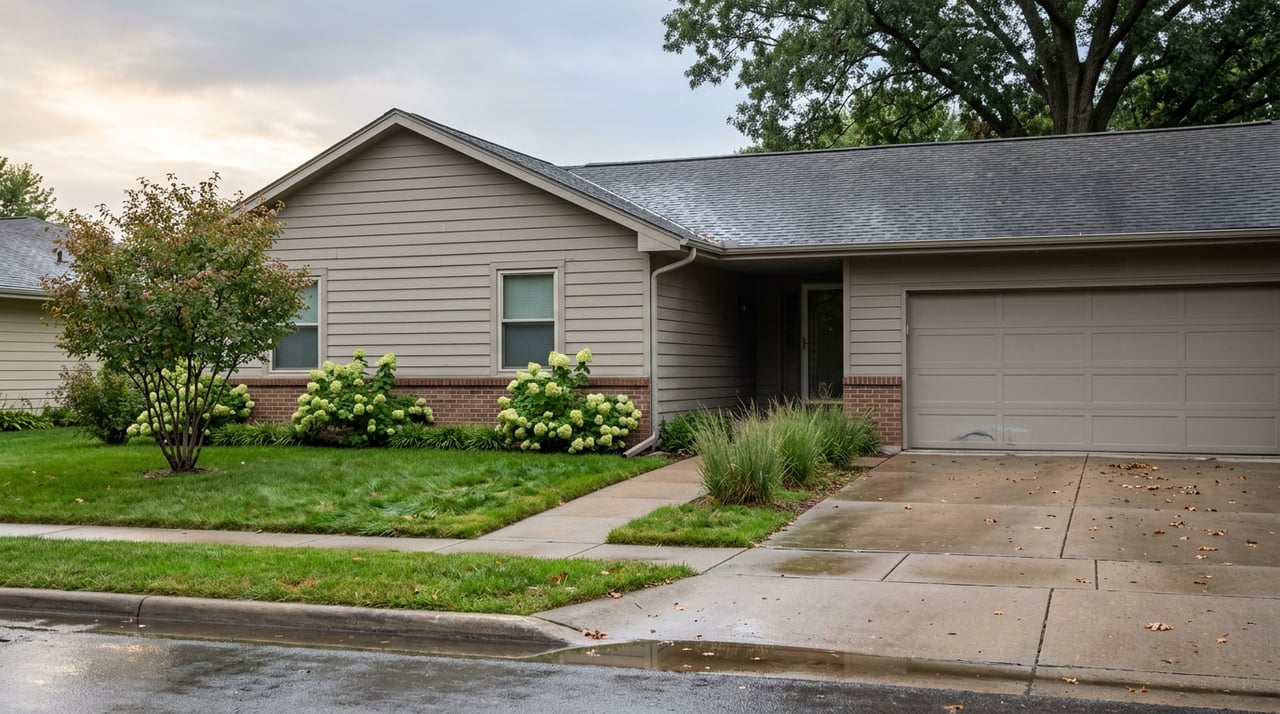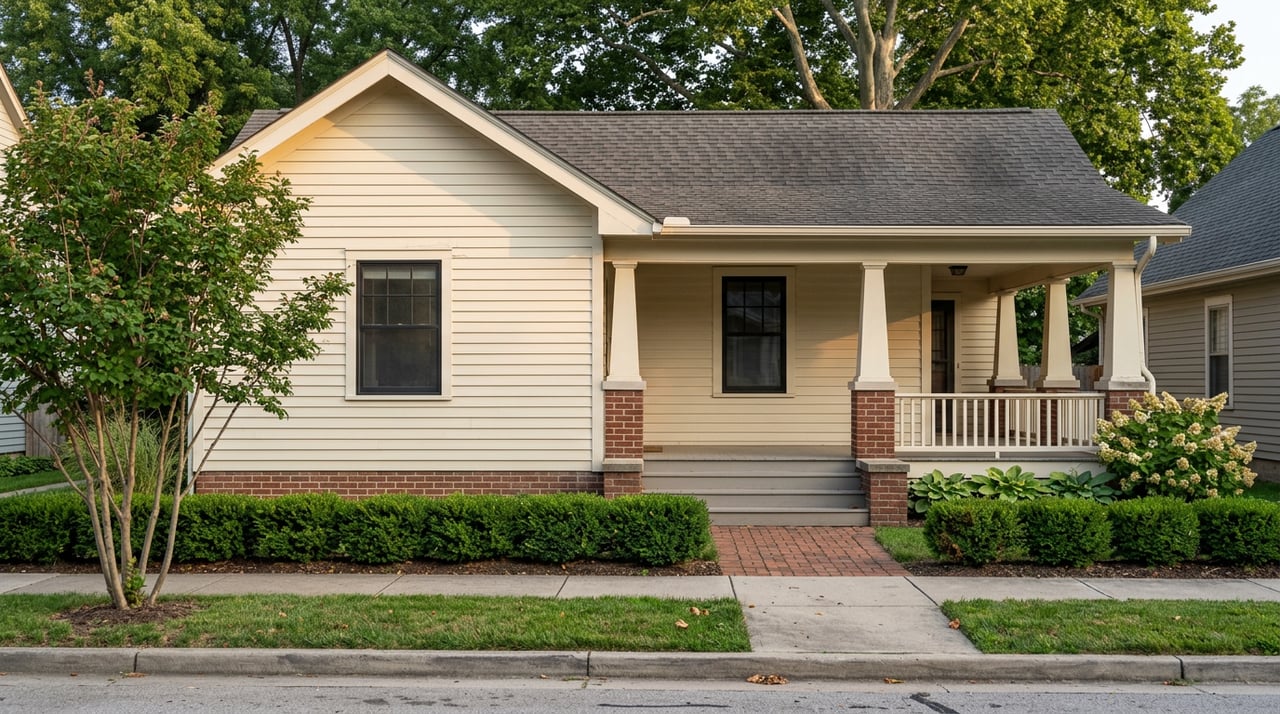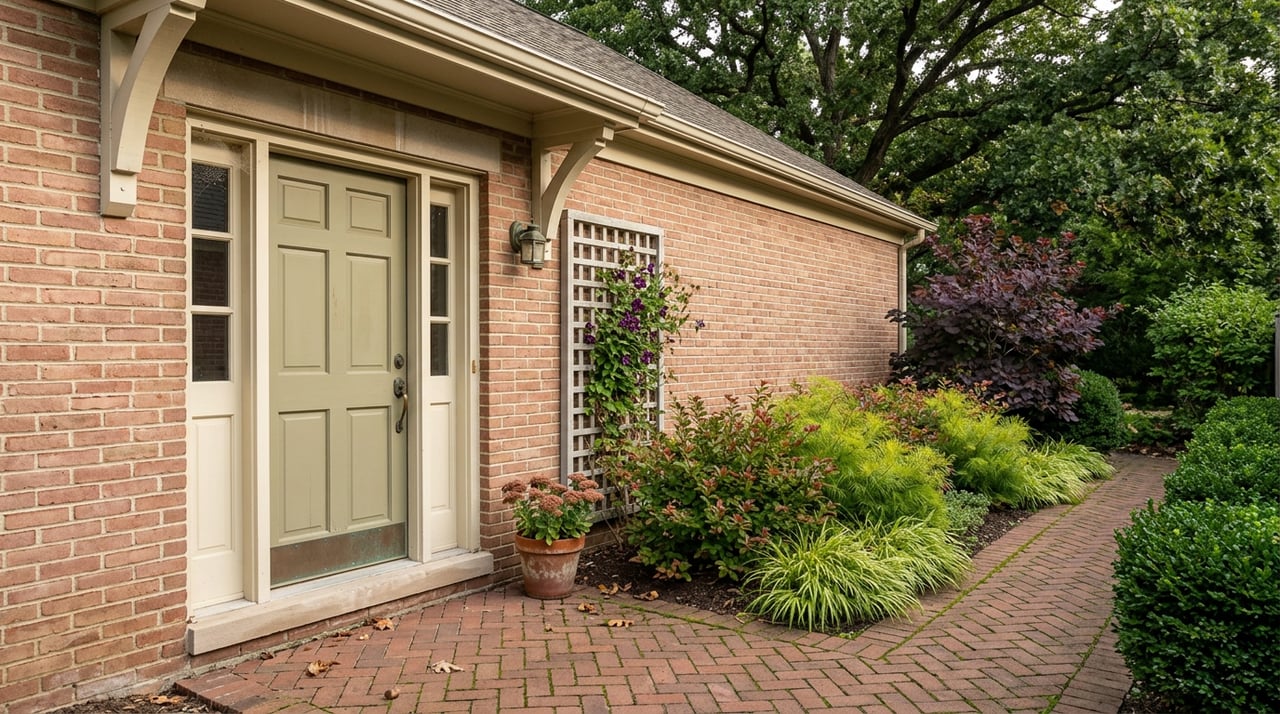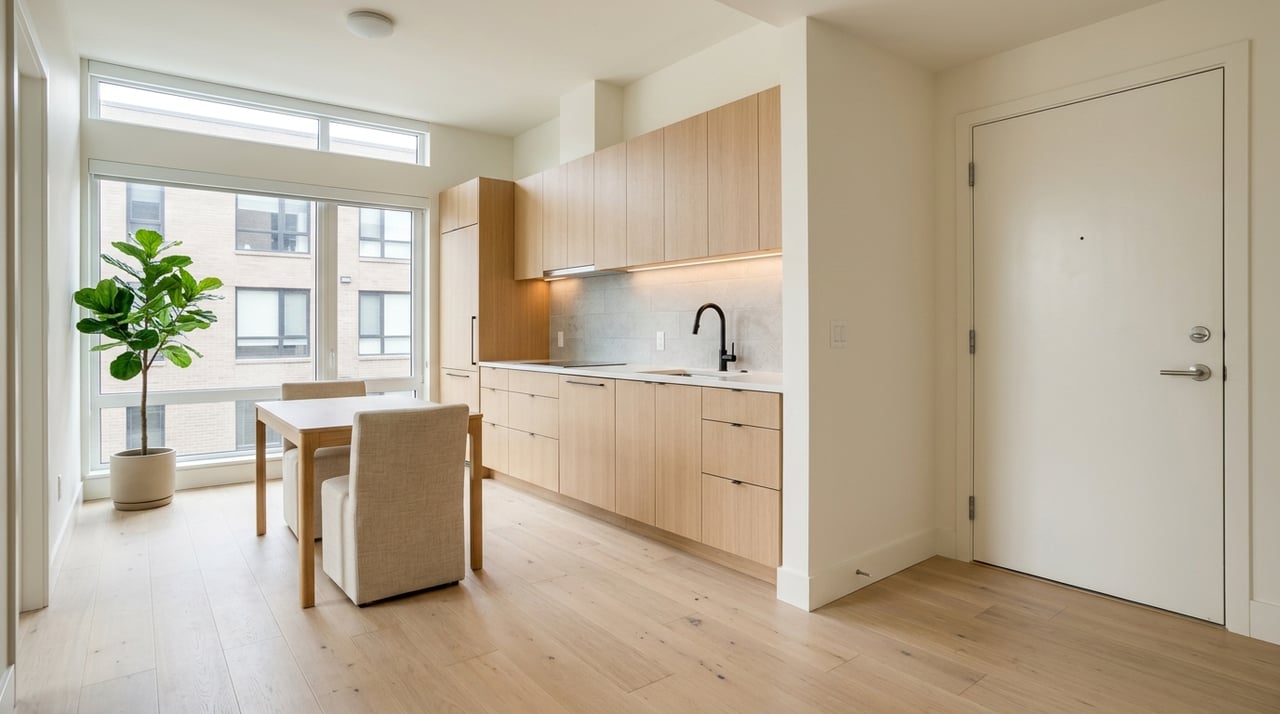
Buying a downtown Iowa City condo can look simple on the surface. You find a great unit, like the walkable location, and picture an easy low-maintenance lifestyle. But in this part of Iowa City, the details matter, and a smart purchase means looking beyond the finishes to the documents, the building, and the block itself. If you are weighing a condo near downtown or in the Longfellow area, here is how to evaluate the opportunity with more clarity and confidence. Let’s dive in.
Start With the Downtown Context
Downtown Iowa City and nearby Longfellow offer a very specific ownership experience. Longfellow sits just southeast of downtown and within easy walking and biking distance to downtown and the University of Iowa, and the neighborhood developed mostly in the 1910s through 1940s with several historic and conservation districts shaping its streetscape and regulatory setting, according to the City of Iowa City neighborhood overview.
That matters because a downtown condo is not just about the unit. It is also about how the building fits into an active urban setting with a different buyer pool, traffic pattern, and day-to-day rhythm than newer outlying properties. If you are comparing downtown options to condos farther from the core, make sure you are comparing lifestyle as much as square footage.
Downtown Iowa City also has a preservation framework worth understanding. The city notes that the downtown historic district was listed in the National Register of Historic Places in 2021, but that listing itself does not regulate changes to a building. Local historic district rules are the layer that can trigger exterior-review oversight, as explained on the City's downtown historic survey page.
Read the Condo Documents Carefully
When you buy a condo, you are not just buying the space inside the walls. You are buying into a legal structure that defines what you own, what the association maintains, and how decisions get made.
Iowa's Horizontal Property Act requires the condo declaration to spell out key details, including the land, building, each apartment's identifying information, the common elements, any limited common elements, each unit's percentage interest, and how amendments happen. In practical terms, the declaration is your roadmap for understanding ownership and responsibility under Iowa Code chapter 499B.
This is one of the biggest places buyers can make a costly mistake. Two condos with similar square footage may not offer the same value if one unit has better parking rights, a storage area, or lower repair exposure tied to how the declaration is written. Before you decide a unit is the better deal, confirm you are truly comparing like for like.
Review HOA Health and Governance
A condo purchase is also a purchase into an association. That means the HOA's finances, rules, and recent decision-making should be part of your due diligence.
Under Iowa's unit-owner association statute, the association or its manager must provide organizational documents, bylaws, rules, the most recent unit-owner meeting minutes, and the most recent executive-board minutes with financial reports within 10 business days of request. The statute also limits charges to a reasonable reproduction fee, which makes these records a practical and accessible part of your review under Iowa Code chapter 499C.
As you read through the materials, pay attention to a few core questions:
- Are monthly dues consistent with what the building appears to maintain?
- Do meeting minutes show recurring maintenance concerns or conflict?
- Are there clear rules about use, leasing, and owner responsibilities?
- Do the financial reports suggest the association is operating in an organized way?
You do not need every building to be perfect. You do need enough transparency to understand how the association functions and whether the building seems well managed.
Know What Is Common and Limited
One of the most important condo concepts is the difference between common elements and limited common elements. Iowa law generally treats items like land, foundations, basements, floors, exterior walls, roofs, halls, lobbies, stairways, entrances, exits, and shared utility systems as common elements unless the declaration says otherwise, as outlined in Iowa's condo statute.
That sounds technical, but it directly affects your costs and daily life. A balcony, parking space, patio, or storage area may be a limited common element assigned to one unit rather than owned outright in the same way as the interior of the condo. That distinction can affect maintenance responsibility, access, value, and resale appeal.
If a listing mentions parking, storage, rooftop access, or outdoor space, verify exactly how those rights are defined in the documents. In downtown Iowa City, those details can materially change how useful a unit feels after move-in.
Treat Parking as a Real Cost
Parking is not a side issue in downtown Iowa City. In many cases, it is part of the condo's real monthly carrying cost.
The city states that ramp parking is encouraged for short and longer-term use, the first hour is free in all ramps, ramp parking is currently $2 per hour, and metered parking in the Central Business District is $2.25 per hour. The city also offers an evening and weekend ramp permit for $67.50 per month, with the terms described on the Iowa City parking permits page.
If a condo does not include a deeded stall, reserved space, or clear access arrangement, you should not assume parking will be easy or free. Instead, build parking into your ownership budget and think about how often you, your guests, or future tenants would rely on ramps or meters.
This is especially important because downtown parking rules can shift by area and use. Iowa City also notes that short-term meters are concentrated in the core, longer-term meters are generally farther from the center, and Ped Mall parking has permit requirements and temporary permit costs in certain situations. Convenience has value, and in downtown condo ownership, that value should be quantified.
Check Noise at the Right Times
A condo can feel calm during a weekday showing and completely different on a Friday night. Downtown Iowa City is an active use area, and the city identifies it as an official Cultural and Entertainment District of the state. The city also manages major downtown events such as the annual Downtown Block Party, which can include live music and road closures, according to the City of Iowa City arts and downtown information.
That is why one of the smartest things you can do is visit the building more than once. Try to see the area during weekday evenings, weekends, and if possible, during an event period. Floor level, street exposure, and building orientation can all change the living experience in a meaningful way.
The city also maintains a nuisance reporting system, including guidance for noise complaints and other neighborhood concerns through its Report a Concern page. You may never need that information, but it helps frame how seriously you should treat sound, traffic flow, and activity levels before you buy.
Research Title, Records, and Site Conditions
Condo documents tell part of the story. Public records help verify the rest.
Johnson County's Recorder offers online real estate searches and recorded document access, and the county notes that covenants and restrictions may appear in subdivision proceeding papers or separate filings through the Johnson County real estate search portal. That can be useful when you want to confirm title history, recorded restrictions, or other property-related documents tied to the building.
The county also offers broader property and location context. The Assessor revalues real property every two years, and the GIS tools provide layers such as aerial photography, land records, flood hazards, elevations, voting, and zoning. For a downtown condo buyer, those tools can help you better understand the building's physical and regulatory setting before you write an offer.
Understand Rental and Short-Term Rental Rules
If rental flexibility matters to you, verify it before you buy. Do not rely on assumptions based on what you have seen in other buildings or cities.
At the state level, Iowa Code section 414.1 defines short-term rental property to include a condominium unit offered for a fee for 30 days or less. The same law says cities may not adopt or enforce zoning restrictions or permit-fee requirements aimed at short-term rentals, while still allowing regulation tied to safety, sanitation, traffic control, noise, maintenance, nuisance issues, and emergency contact requirements under Iowa Code section 414.1.
That does not mean every condo allows short-term rentals. The condo declaration, bylaws, and association rules still matter, and they may be more restrictive than state law. If your goal is long-term leasing, Iowa City's rental permit information is also worth reviewing, since the city requires rental property to have a permit.
Compare Units the Right Way
Downtown condos can vary more than buyers expect, even within the same building. The most useful comparison is often not another condo across town. It is a similar unit in the same building, or at least on the same block with a similar floor level and exposure.
When you compare options, focus on the details that actually shape ownership experience and resale potential:
- Monthly dues
- Parking rights or lack of parking
- Storage and other limited common elements
- Floor level and direction of exposure
- Street activity and likely noise levels
- Historic district context or exterior-review rules
- Rental restrictions and permit implications
That kind of comparison creates a clearer picture of value than price per square foot alone. In a downtown market, the legal and practical differences between units can be just as important as the finishes.
Work With a Process, Not a Guess
A strong downtown condo purchase usually comes from a disciplined review process. You do not need to overcomplicate it, but you do want a checklist that keeps the big questions in focus.
A practical evaluation process looks like this:
- Review the declaration, bylaws, rules, and recent HOA minutes.
- Confirm what is included with the unit, especially parking, storage, and outdoor areas.
- Visit the property at more than one time of day.
- Research title, recorded restrictions, and public property data.
- Check whether rental use matters to you and whether the building allows it.
- Compare the unit against similar downtown options, not just the broad market.
If you are buying in a design-sensitive and location-driven area like downtown Iowa City or near Longfellow, this extra discipline is not overkill. It is how you protect both your lifestyle and your long-term value.
Buying the right condo downtown can be a smart move, especially if you want walkability, a lower-maintenance setup, and close access to the core of Iowa City. The key is knowing that the best condo is not always the one with the best photos. It is the one that holds up when you look at the documents, the building operations, the parking reality, and the block itself. If you want guidance on evaluating downtown Iowa City condos with a sharper eye for location, design, and market positioning, connect with Adam Pretorius.
FAQs
What documents should you request for a downtown Iowa City condo?
- Ask for the declaration, bylaws, rules, the most recent unit-owner meeting minutes, and the most recent executive-board minutes with financial reports.
How should you evaluate parking for a downtown Iowa City condo?
- Confirm whether the unit includes deeded or assigned parking, then compare that to the cost and limitations of downtown ramps, meters, and permit options.
Can you use a downtown Iowa City condo as a short-term rental?
- Maybe, but you need to review both Iowa law and the condo's declaration, bylaws, and rules before assuming short-term rental use is allowed.
Why does noise matter when buying a condo near downtown Iowa City?
- Downtown activity, events, road closures, and building orientation can change how a unit feels, so visit at different times of day and week before making a decision.
How can you research a condo's public records in Johnson County?
- Use the Johnson County Recorder for recorded real estate documents and the county property tools for valuation, zoning, flood, and site context.