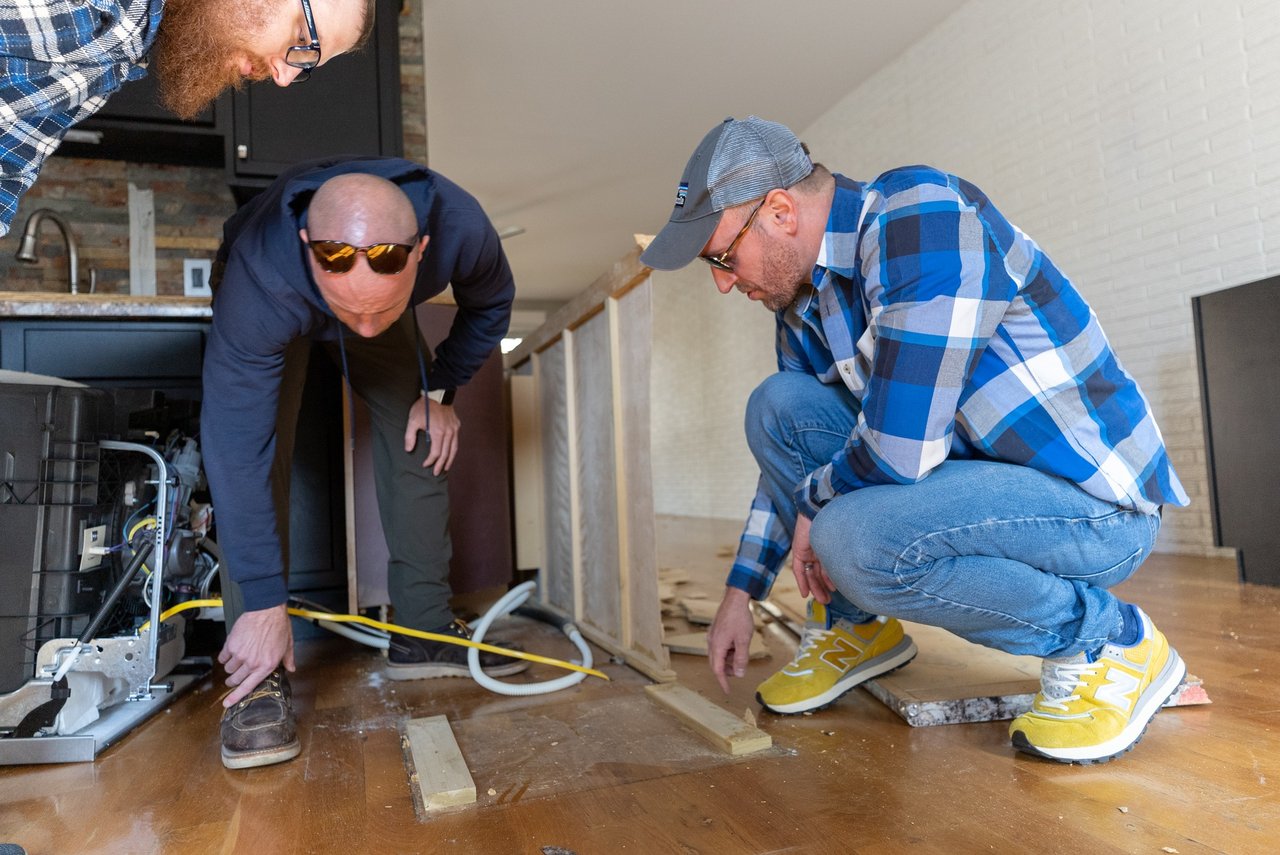
When I’m considering a remodel—or advising homeowners on where to put their money—I don’t start with Pinterest boards or saved Instagram posts (or whatever trend is having its fifteen minutes). I start with rooms.
Certain rooms immediately tell you whether a remodel makes sense at all. They reveal feasibility, budget reality, and long-term resale impact. They’re also the places where most homeowners get stuck in that familiar loop: should we update this first… or that? If you want clarity, you have to look at the house the way buyers and builders do—room by room, function by function.
The kitchen is always the first test. A kitchen doesn’t just need to be updated; it needs to be a showstopper. But that doesn’t mean marble everywhere or chasing trends. It means starting with the bones. I always begin with hood placement because it anchors the room and dictates the layout. From there, the island becomes the center of gravity—how people gather, eat, work, and live. Then comes the pantry, ideally a walk-in or working pantry if space allows. Storage and function matter far more than another decorative moment. When those elements are right, everything else falls into place naturally. When they’re wrong, no amount of finishes can save the room.
The next priority is the primary suite, and this is where I see homeowners make the biggest mental shift. I care far more about the bathroom and walk-in closet than I do about the size of the bedroom itself. You can shrink a bedroom down to twelve by fourteen and never miss the extra square footage if it means gaining a better bathroom and a functional closet. The experience of the space matters more than the footprint. On higher-end homes, a tub is still desirable, but it shouldn’t be forced. If space is tight, let it go. The same goes for toilet rooms—they’re great when there’s room, but if you’re squeezing one in at the expense of everything else, skip it. Just don’t leave the toilet completely exposed. There are limits to open-concept living. Luxury today isn’t about how large a room is. It’s about how well it works.
After that, attention shifts to the quieter spaces—the ones that don’t headline listings but absolutely shape daily life. Mudrooms, entries, laundry rooms, powder rooms, and especially the family room. The family room has quietly replaced the formal living room as the true workhorse of the house. It’s informal, heavily used, and almost always adjacent to the kitchen. This is where I often suggest something that surprises people: a set bar.
Not because people need another place to drink, but because it functions like a second kitchen. A few cabinets, a sink, a beverage fridge, and—if space allows—a dishwasher or microwave. It’s for kids, guests, entertaining, and everyday overflow. You don’t need an island or a full build-out. You just need smart, efficient planning.
And then there’s the most overlooked category of all: outdoor space. Yards are no longer the selling point they once were. Defined outdoor rooms are. People want edges, privacy, and intention. Trees, landscaping, and screening do more to create a sense of luxury than sheer size ever will. A patio, deck, or porch—somewhere to actually sit—matters far more than extra lawn.
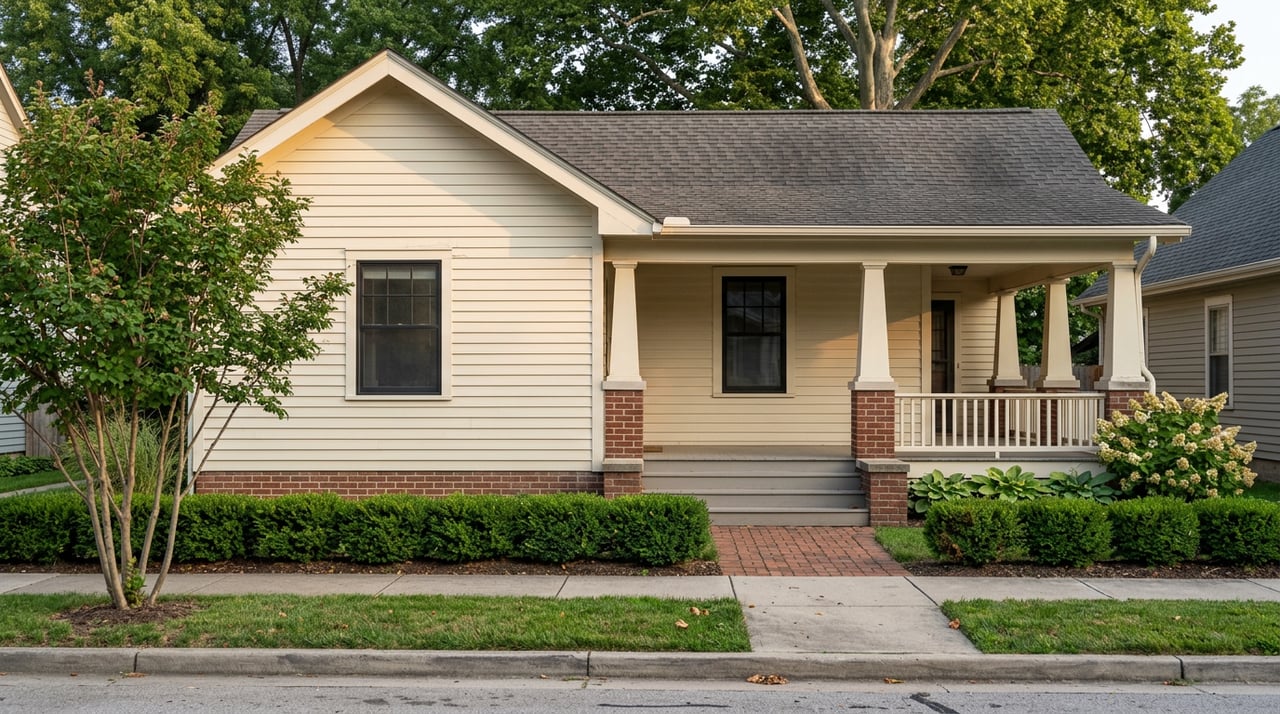
I tend to prefer covered porches over screened ones. A covered porch feels more permanent and flexible, and screening can always be added later. The key is restraint. Outdoor spaces tend to have the lowest direct return on investment, but that statistic is misleading. A modest, well-planned outdoor improvement can be the difference between getting an offer and watching a house sit. Planting trees is often easier—and more impactful—than repainting a bedroom.
When you step back and add it all up, the numbers can feel big. A kitchen around a hundred thousand. Fifty thousand for the primary suite. Another fifty for supplementary spaces. Another fifty outside. Suddenly you’re in the two-hundred-fifty to three-hundred-thousand-dollar range.
The real question isn’t whether that’s expensive. It’s whether it’s worth it for that house. Good remodeling isn’t about doing everything. It’s about doing the right things, in the right order, for the right reasons. And it starts by looking at rooms—not inspiration boards.
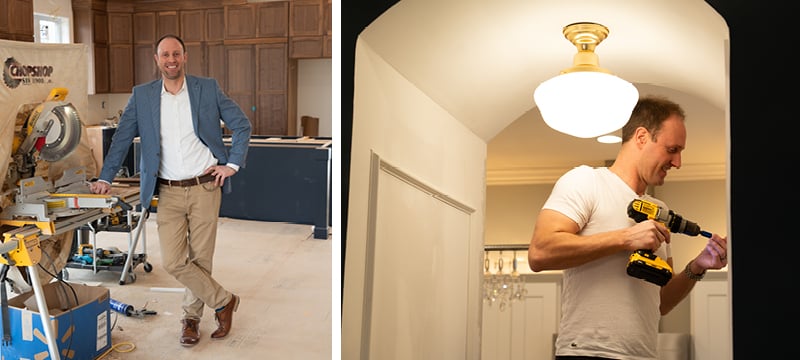
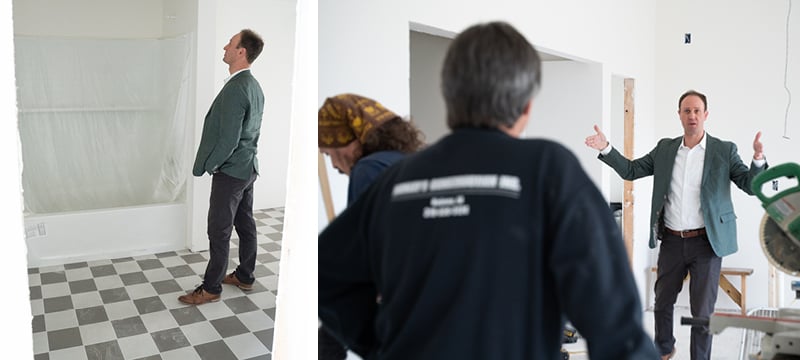
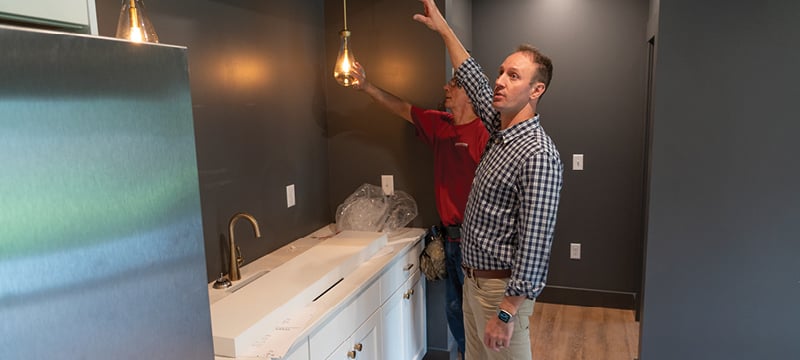
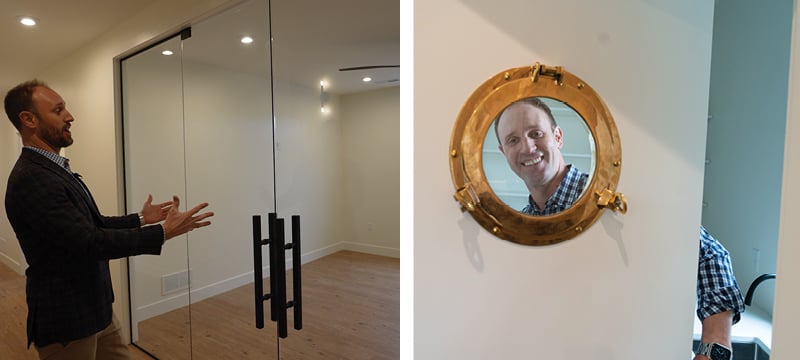
📸: A big part of remodeling for me is the joy of the work itself. The hardest—and most rewarding—decisions aren’t the obvious ones, but what’s worth the splurge and where to be disciplined. Patterned tile (like checkers) is beautiful but labor-heavy, so I balanced the budget with a fiberglass shower. Trade-offs done right. If there’s room, I always default to a larger refrigerator—including this space for an 83” side-by-side fridge and freezer—because daily function (and storage) beats novelty every time. Wet bars are an underrated power move. Family rooms are informal, heavily used spaces, and these often act as second kitchens. And then there are the details. Floor-to-ceiling custom-cut glass doors for a home gym. A salvaged porthole from a retired Pacific Ocean shipliner repurposed as a pantry door. Small touches, big character!