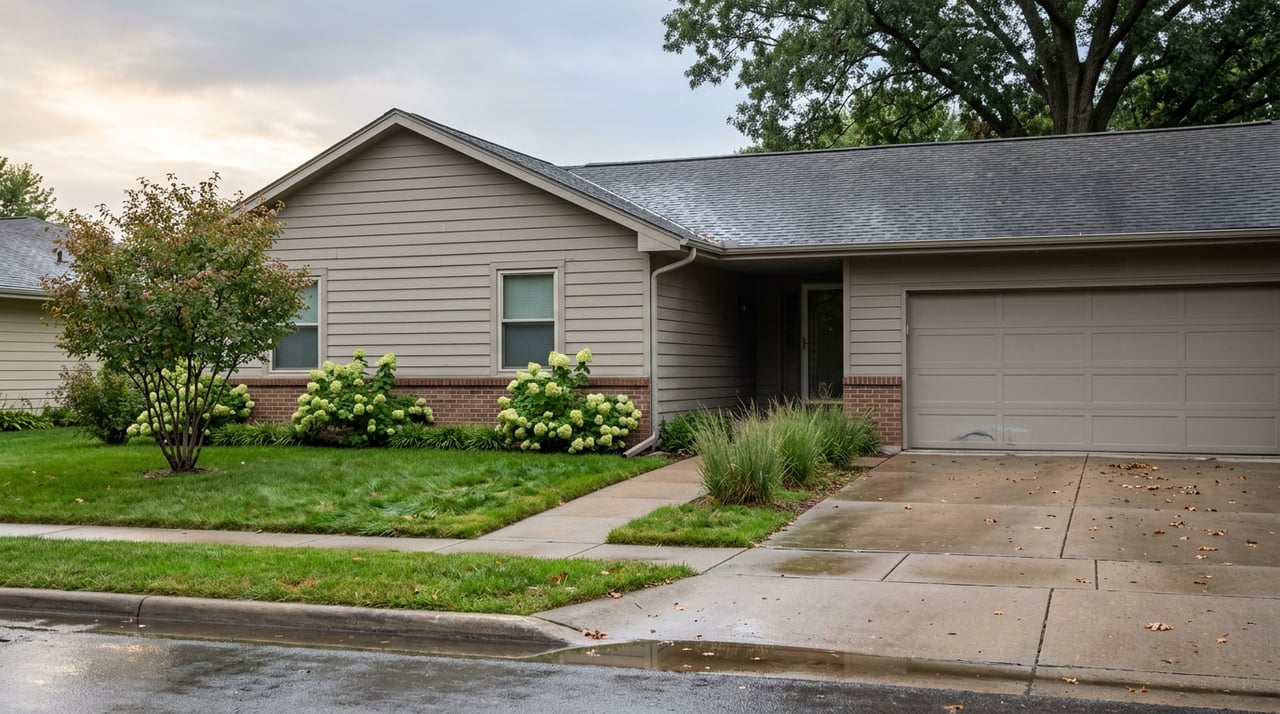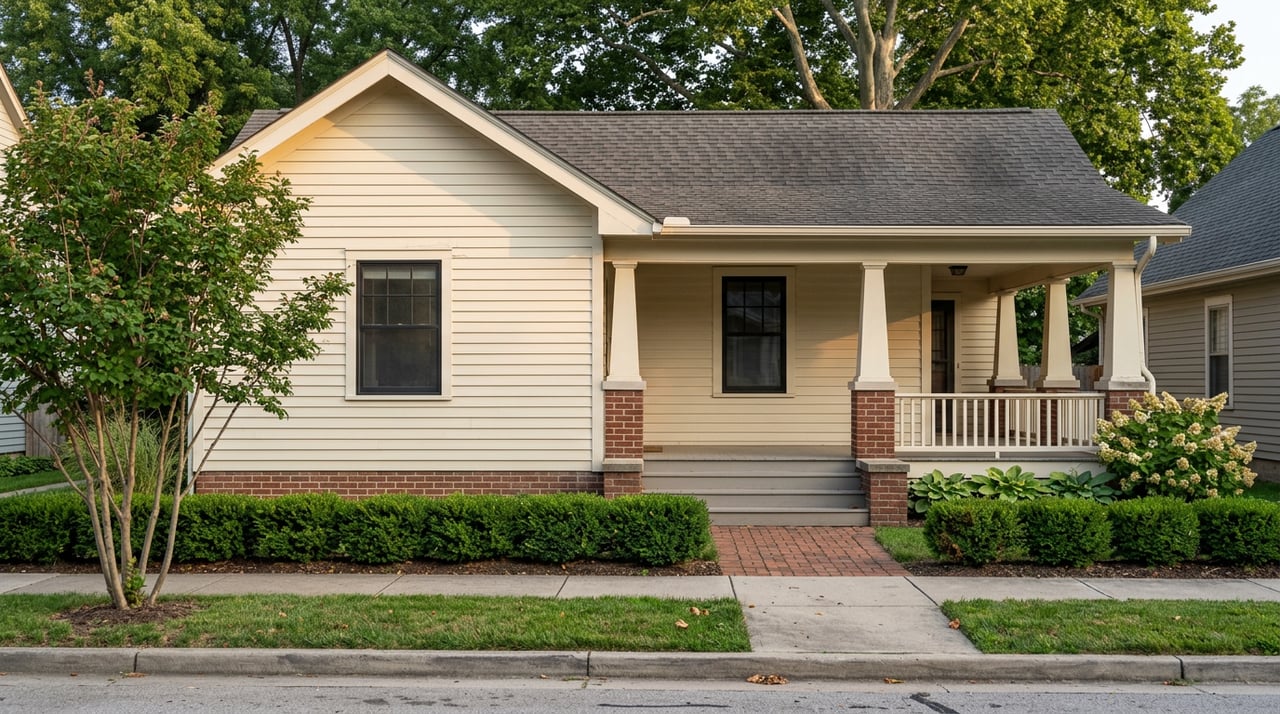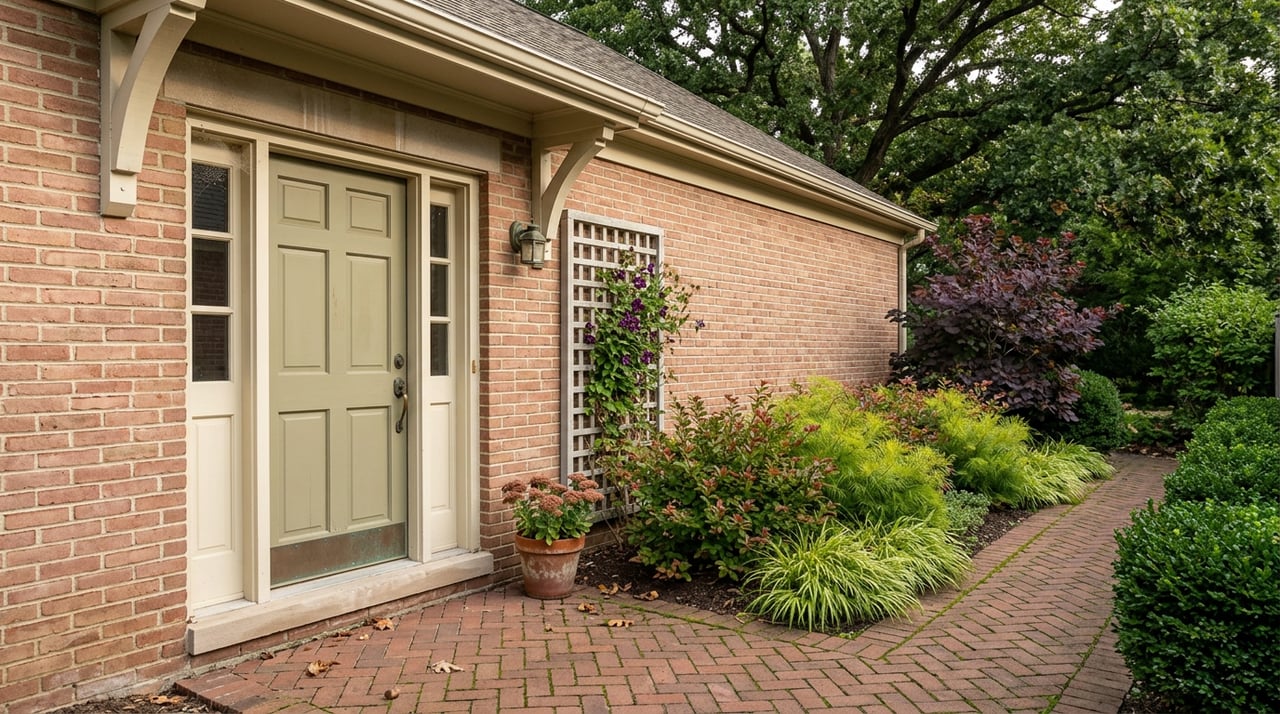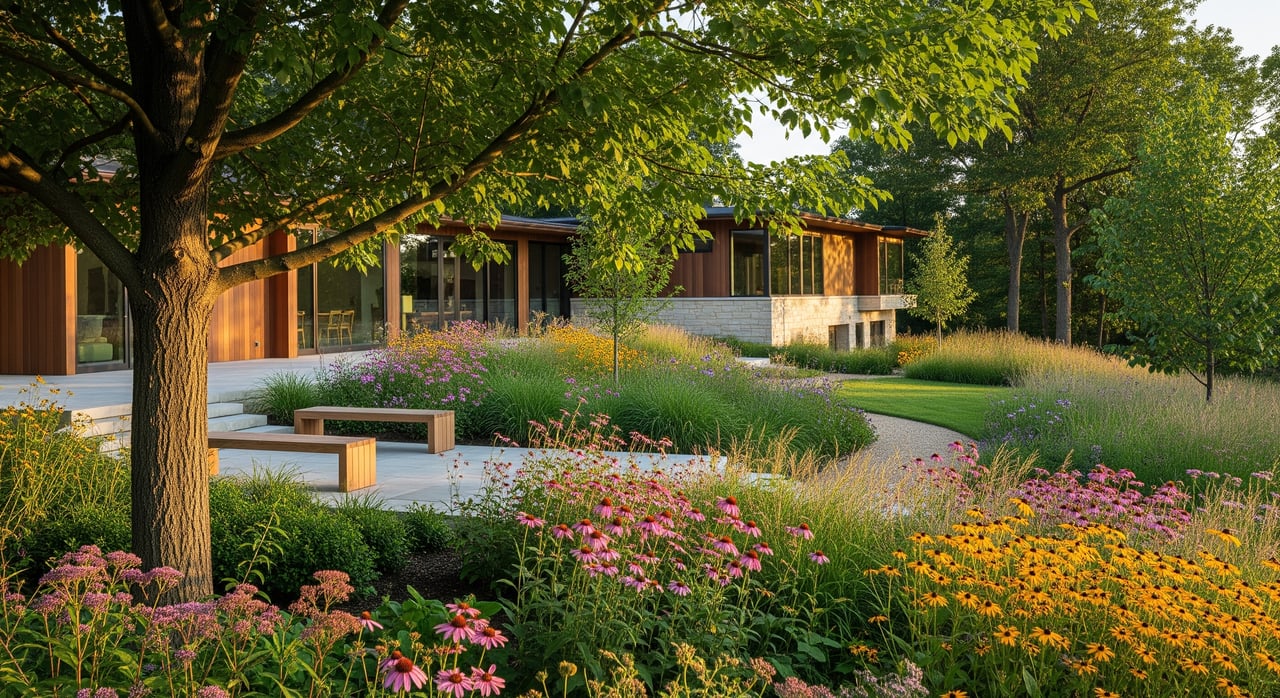
What if your yard could boost curb appeal, cut maintenance, and support local wildlife at the same time? If you live in Hickory Hill or nearby Hoover in Iowa City, your lot likely has slopes, mature oaks and hickories, and a mix of sun and shade that make native landscaping a smart, beautiful choice. You want a landscape that looks intentional year-round and helps resale. In this guide, you’ll get design-forward ideas, tailored plant lists, and a simple plan to build a four-season native landscape that fits our local climate. Let’s dive in.
Why native landscaping fits Hickory Hill
Hickory Hill sits at the edge of oak-hickory woodlands and tallgrass prairie. That means your yard likely includes shaded understory areas, sunny edges, and occasional low spots that hold runoff. Native plants evolved for these conditions, so they handle our warm, humid summers and cold, snowy winters in USDA Zone 5.
You also get tangible benefits. Native plantings can improve stormwater infiltration, support pollinators and birds, and reduce fertilizer and pesticide needs compared to high-input lawns. For buyers in Iowa City, intentional design with clean edges, structure, and paths reads as low-maintenance and high quality.
Four-season design principles
A landscape that looks great in every season needs structure, massing, and variety. Use these principles to guide your plan:
- Start with a site analysis: sun hours, drainage, slope, existing trees, and sightlines to the street and front door.
- Layer the planting: trees, then shrubs, then grasses and tall perennials, then groundcovers.
- Plant in drifts: massing reduces weeding and creates a polished look.
- Build year-round structure: evergreens, shrubs with colorful bark and berries, and ornamental grasses.
- Keep edges crisp: mulch lines, stone or steel edging, or a low native sedge border signal intentional design.
A quick curb appeal plan for the front yard
If you want results fast, refresh the front foundation and entry beds with a clean, layered composition. A simple formula works well:
- 30–60% drifts of native perennials and grasses for color and movement
- 20–30% small shrubs for structure and seasonal interest
- 10–20% small trees or multi-stem specimens to frame the entry
Use a clear visual pathway to the front door. Repeat a limited palette across the bed to create cohesion.
Suggested front bed palette
- Small trees: Serviceberry, Eastern redbud
- Shrubs: Ninebark, Highbush cranberry, Winterberry holly (use where soil stays moist)
- Perennials: Purple coneflower, Rudbeckia, Wild bergamot, Blazing star, Asters
- Grasses: Little bluestem near edges, Switchgrass toward the back
Shade solutions under mature oaks
Many Hickory Hill lots include areas of dappled or full shade beneath established trees. Avoid deep digging that harms roots and choose woodland natives that thrive with leaf litter and filtered light.
Understory palette for shade
- Shrub and small tree accents: Serviceberry
- Perennials and groundcovers: Woodland phlox, Wild geranium, Foamflower
- Ferns for texture: Ostrich fern or Interrupted fern in moist shade
- Sedges for a smooth edge: Native Carex species as a turf alternative
Keep it simple with broad swaths of two or three species. A low edging or a short mown strip along walkways helps the planting read as tidy.
Rain garden for low areas and downspouts
If you have a swale or a spot that stays damp after rain, turn it into a feature that manages runoff and adds color. Rain gardens work best in full sun to part sun with a shallow basin and overflow path.
Wet-site specialists
- Shrubs: Red-osier dogwood, Buttonbush, Winterberry holly
- Perennials: Blue flag iris, Joe-Pye weed, Cardinal flower
- Grasses and sedges: Native Juncus and Carex species for structure and filtration
Size the rain garden to the drainage area and use a ring of stones or a sedge border to define the edge.
A pocket meadow to reduce lawn
Converting even a small slice of lawn to a native meadow pocket adds movement, habitat, and seasonal color. The key is framing. Use a mown path, stone edge, or low hedge of native sedge to signal intention.
Meadow pocket palette
- Grasses: Little bluestem for fine texture, Switchgrass or Big bluestem for backdrop and slope stability
- Forbs: Butterfly milkweed, Prairie coneflower, Purple coneflower, Asters, Wild bergamot, Blazing star
Cut back the meadow in late winter or very early spring to 6–12 inches before new growth emerges.
Plant palettes for Iowa City sites
Choose plants for your micro-site. Group by sun, moisture, and function.
Trees for four-season structure
- Bur oak: Drought tolerant, strong form, fall color
- Shagbark hickory: Textured bark, classic Hickory Hill character
- Serviceberry: Spring blooms and summer fruit for birds
- Eastern redbud: Compact size, spring flowers
- Eastern red cedar: Evergreen anchor, use with spacing
Shrubs for form and berries
- Red-osier dogwood: Red stems for winter interest, likes moist soils
- Highbush cranberry: Spring flowers, fall color, edible berries
- Ninebark: Adaptable with attractive bark and foliage
- Winterberry holly: Persistent berries on female plants, needs a nearby male pollinator
- Elderberry: Summer flowers and fruit, tolerates wet spots
Perennials for summer and fall color
- Purple coneflower: Long bloom and seedheads for birds
- Black-eyed Susan: Summer to fall color
- Wild bergamot: Pollinator favorite
- Blazing star: Vertical accents in late summer
- Asters: Late-season color and pollinator support
- Baptisia (blue false indigo): Spring to early summer flowers and tidy foliage
- Butterfly milkweed: Monarch host plant and bright summer color
- Prairie coneflower: Durable and drought tolerant
Grasses and sedges for structure
- Little bluestem: Fine texture, great fall color, good on slopes
- Switchgrass: Taller backdrop and erosion control
- Big bluestem: Best for larger areas or backdrops
- Native sedges (Carex): For shade or moist spots as an alternative to turf
Shade and understory choices
- Woodland phlox: Early spring color in shade
- Wild geranium: Reliable bloom in part shade
- Foamflower: Groundcover with interesting foliage
- Ferns: Ostrich or Interrupted fern in moist shade areas
Wet-site standouts
- Blue flag iris, Joe-Pye weed, Cardinal flower, Buttonbush
How to phase your project
You do not need to redo the entire yard at once. A phased plan spreads cost and change over time.
- Phase 1: Refresh the front entry bed for immediate curb appeal.
- Phase 2: Add a rain garden near a downspout or in a low area.
- Phase 3: Convert a side-yard strip or the back corner to a meadow pocket.
- Phase 4: Underplant mature trees with woodland natives to reduce bare soil and mulch.
Keep your palette tight as you expand. Repeating plants across phases ties the property together.
Establishment timeline and expectations
Native plantings take time to mature. Many perennials and grasses need 2–3 growing seasons to fill in. Trees and shrubs often need 3–5 years or more to reach their form.
- First year: Water during dry spells, mulch to suppress weeds, and hand-weed consistently.
- Years 2–3: Reduce watering as roots establish. Continue selective weeding and fill small gaps with additional plugs.
- Meadows: Cut back in late winter or early spring. Remove clippings every one to three years to limit nutrient buildup.
- Woody plants: Prune lightly in late winter to maintain form and remove dead wood.
Weed and invasive management
Dense, healthy native masses resist weeds, but early control is essential. Watch for common invasives like buckthorn, Amur honeysuckle, reed canary grass, and garlic mustard. Remove young plants by hand when possible. For stubborn, well-established patches, targeted herbicide may be necessary. Replant promptly with competitive natives to occupy open soil.
Slopes, drainage, and soil notes
Many Hickory Hill lots include loess-derived silt or clay loams with variable drainage. On slopes, use deep-rooted grasses like little bluestem and switchgrass for erosion control. In heavy clay or compacted areas, consider soil tests before planting and prioritize species known to handle seasonal moisture swings. Where you alter drainage, confirm local stormwater rules before regrading.
Seasonal interest by design
Create a calendar of highlights to keep your landscape engaging in every season.
- Spring: Serviceberry and redbud flowers, woodland phlox and wild geranium under trees
- Summer: Prairie perennials in full color, bees and butterflies working coneflowers and blazing star
- Fall: Asters and golden tones from grasses, strong leaf color on oaks and viburnums
- Winter: Little bluestem and switchgrass standing tall, red-osier dogwood stems, evergreen silhouettes
Common pitfalls and easy fixes
- Too many different plants: Limit your palette and repeat groups for unity.
- No clear edges: Add a narrow mown strip, stone, or steel edging to define beds.
- Planting for summer only: Include spring ephemerals, fall asters, and winter structure.
- Overwatering established natives: After year two, many natives prefer average rainfall.
HOA and ordinance check
Before converting large areas of lawn or changing grades, review HOA covenants and local ordinances. Some communities have height rules for front-yard plantings. A neat edge, visible paths, and an intentional layout help align with neighborhood expectations.
Resale benefits of a native look
Thoughtful native landscaping can enhance perceived quality, reduce ongoing yard costs, and make listing photos stand out. Buyers often respond to orderly design cues: clean edges, repeating masses, and a simple color story. Document your maintenance routine and plant list for buyers. It signals care and helps new owners succeed.
Local resources to explore
For deeper guidance and plant sourcing, look to Iowa State University Extension and Outreach, the Tallgrass Prairie Center, the Johnson County Conservation and Soil and Water Conservation District, the Iowa Native Plant Society, the USDA NRCS, and national references like the Lady Bird Johnson Wildflower Center and the Xerces Society. Seek native plant nurseries that provide regionally adapted stock and ask contractors for portfolios of mature native projects.
Ready to plan your yard?
A well-composed native landscape can elevate your Hickory Hill home with four-season style and practical benefits. If you are preparing to sell, a clean front-bed refresh and a few high-impact native selections can strengthen photography, showings, and buyer confidence. For tailored curb appeal strategy and pre-listing design counsel, connect with Adam Pretorius.
FAQs
What makes native plants ideal for Hickory Hill yards?
- They are adapted to Iowa City’s Zone 5 climate and common soils, handle summer humidity and winter cold, and fit the oak-hickory and prairie edge ecology common to the neighborhood.
How do I keep native landscaping from looking messy?
- Use clean edges, repeated plant groups, and a simple path or mown strip; include shrubs and grasses for winter structure so the layout reads as intentional.
What native plants work under mature oaks in Iowa City?
- Try serviceberry for structure and woodland phlox, wild geranium, foamflower, and ferns for groundcover and spring color in dappled shade.
Which natives handle wet spots or a rain garden?
- Choose red-osier dogwood, buttonbush, winterberry holly, blue flag iris, Joe-Pye weed, cardinal flower, and moisture-loving sedges and rushes.
How long before a native planting looks full?
- Expect 2–3 growing seasons for perennials and grasses to fill in and 3–5 years or more for shrubs and small trees to reach strong form.
Can I convert lawn to a native meadow gradually?
- Yes, phase the work: start with a front focal bed, then add a small meadow pocket with a mown path and edging so neighbors see a deliberate design.