It wasn’t that long ago you could throw a home on the market on a Thursday and be under contract by dinner Sunday. Offer deadlines. Appraisal gaps. Waived inspections. Chaos wrapped in confidence. And then… the noise faded. Today’s housing market doesn’t feel broken. It feels like it’s holding its breath.
Today’s economy is hard to talk about without the one word, “tariffs.” It’s had me thinking: what effect have tariffs had on the housing industry?
First, good news, inflation is cooling. The CPI’s shelter component—the part that tracks housing and rent—has posted its smallest monthly gains in nearly four years. On paper, that should feel like relief.
Mortgage rates have slipped, too. Not dramatically, but enough that, historically, buyers should be charging back in. But they’re not. Instead, buyers are hovering outside the door not sure they want to step inside. They peek. They check listings. They run the numbers. They disappear again. The math technically works better than it did a year ago. The confidence does not (sigh).
Roughly 15% of home-purchase agreements were canceled this fall
Some walked because the payment jumped at closing. Some walked when insurance quotes exploded. Some got cold feet when layoffs hit their company. Some simply didn’t trust the moment anymore.
Sellers, meanwhile, are discovering something painful: the market moved on while they were still telling last year’s stories.
Across the country, prices are being adjusted—slowly, reluctantly, often in stages. The houses are still beautiful. The neighborhoods still strong. But buyers are no longer emotionally attached to a seller’s equity story. Homes are now selling at discounts to their final list prices. That sentence alone would’ve sounded fictional just a few years ago. Not because homes are bad. Because timing has changed. And timing is everything.
Construction costs never really came back down. And that’s a big story, especially for a market that prices resales on the cost of new
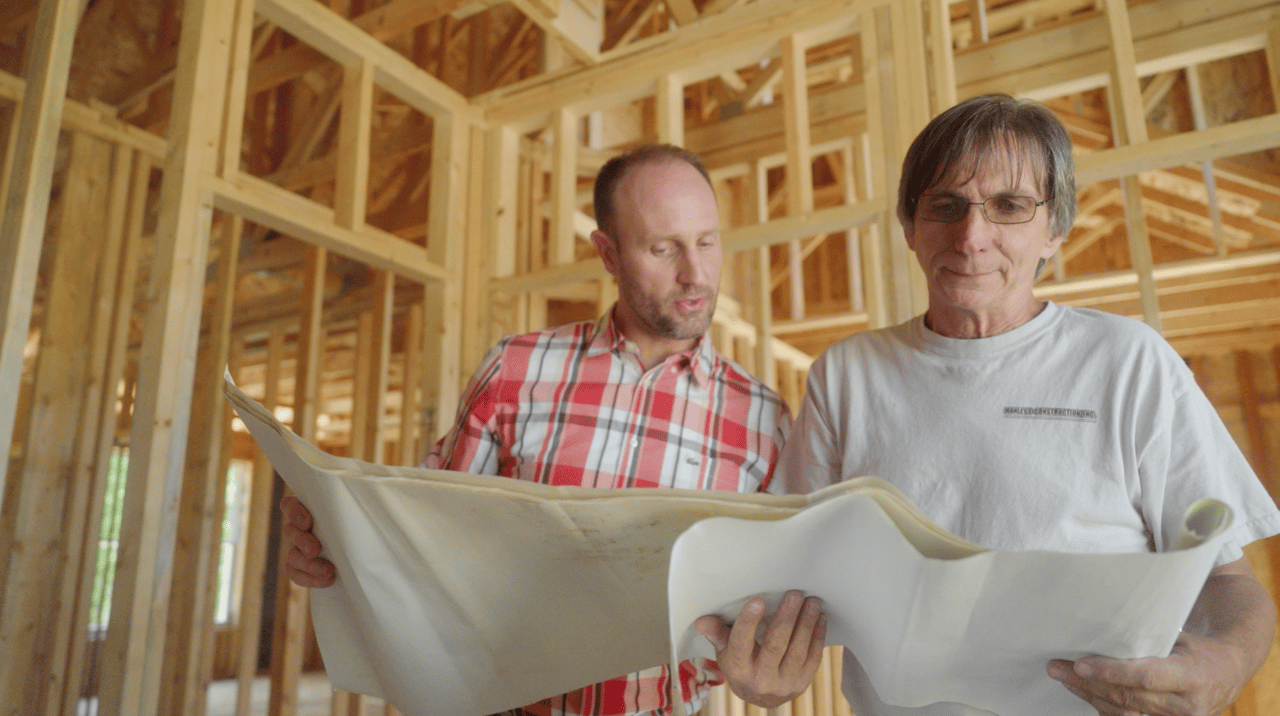
Behind every showing, every walk-through, every immaculate kitchen and perfectly staged living room, there’s a quieter force still shaping the entire market: construction costs never really came back down. And that’s a big story, especially for a market that prices resales on the cost of new. Think tariffs, supply chains, labor shortages, shipping costs and material inefficiencies.
Lumber, steel, HVAC systems, wiring, appliances—all of it still carries structural inflation. Builders feel it every day. Remodelers feel it. Sellers feel it when they go to update before listing. Buyers feel it when repair credits no longer cover replacement costs.
So now we have a strange combination that shouldn’t exist… but does:
Buyers are hesitant
Sellers are adjusting
But supply is still structurally tight
We are still short more than one million homes nationwide. We have a shortage… inside a slowdown… inside a psychological freeze. That’s how markets get weird without getting loud.
Still short more than one million homes nationwide.
The standoff: this is not a buyer’s market and this is not a seller’s market. Buyers are waiting for rates to drop more, prices to drop more, and confidence to return. Sellers are waiting for buyers to blink, their neighbor’s sale to justify their price, and the memory of 2022 to become relevant again. Meanwhile, builders are waiting for material costs to normalize, financing to loosen, and demand to prove it’s real again. Everyone is waiting. And markets don’t like waiting.

📸 mega -agent and Netflix star Ryan Serhant giving me a tour of the most expensive listing in the U.S.—a triplex penthouse in Manhattan.
It’s not a buyer’s market. It’s not a seller’s market. It’s a nobody’s market. - Ryan Serhant
Luxury agent and star of Netflix's “Owning Manhattan,” Ryan Serhant, recently summed up today’s housing market in one brutal line: “It’s not a buyer’s market. It’s not a seller’s market. It’s a nobody’s market.” And he’s right—because what’s really being exposed right now is affordability. In the middle, everyone’s surviving on leverage. Wages haven’t kept pace with housing costs. The average first-time buyer is now nearing 40. It takes two full household incomes to qualify for what one income once handled with ease. And yet, beneath all of that pressure, demand hasn’t disappeared—it’s just trapped. Which raises the real question: if all this demand is still there, where does it go next? When does the ice finally crack? Because there are only three ways this market thaws.
- Rates Fall Enough to Restore Trust. Not just a quarter point. Enough to create psychological relief. The moment payments feel emotionally manageable again, buyers surge back.
- Prices Finally Reset. If sellers capitulate broadly, affordability returns through price instead of rate.
- Stagnation Becomes the New Normal. No boom. No bust. Just years of slow movement, partial adjustments, and sideways momentum.
All three are possible. Only one feels comfortable. And markets rarely choose comfort. The U.S. housing market isn’t crashing. It’s exhausted. Exhausted by inflation. Exhausted by rates. Exhausted by uncertainty. Exhausted by headlines that change every week.
We’re looking at a trust problem.
And when 15% of contract buyers are choosing to walk away from decisions they already made…we’re not looking at a supply problem anymore. We’re looking at a trust problem. The deals will return. The confidence will return. But the market won’t move forward simply because the numbers say it should. It will move when people believe again. And belief… always moves slower than data.
So are tariffs to blame? Not entirely—at least, not yet. Are they influencing prices? Yes, modestly. But the real disruption in today's housing market isn't being drive by policy or materials—it's being driven by confidence. At its core, this isn't a pricing crisis. It's a trust crisis.
Post Thought: Tariffs Are a Sentiment Problem, Not a Housing Problem (Yet)
While tariffs may not be hitting housing directly yet, they’re absolutely influencing it through sentiment—from farmers to manufacturing to trade and jobs, the broader economy feels the pressure first, and housing always follows confidence. When economic certainty wobbles, buyers hesitate, sellers stall, and the market cools long before prices ever do.
Sources & Data References (read more of what I'm following):
- Redfin Housing Market Research – contract cancellations, price discounts, buyer-seller imbalance, demand trends
- U.S. Bureau of Labor Statistics (BLS) – CPI shelter and rent inflation trends
- Mortgage Bankers Association (MBA) – mortgage activity & demand
- National Association of Home Builders (NAHB) – builder confidence & construction cost pressures
- Federal Reserve Economic Data (FRED) – mortgage rate history & affordability data