Is Manville Heights the kind of neighborhood where your daily routine just works? If you want character-rich architecture, quick access to the University of Iowa and UI Hospitals, and tree-lined streets that invite you to walk or bike, it may be a strong fit. You’re likely weighing your lifestyle needs against the realities of older homes and a central location. This guide gives you a clear picture of architecture, trails, transportation, and day-to-day living so you can decide with confidence. Let’s dive in.
Where Manville Heights fits in Iowa City
Manville Heights is one of Iowa City’s mature, inner-ring neighborhoods near campus and the University of Iowa Hospitals & Clinics. You’ll find single-family homes on established, leafy streets with a pedestrian-friendly feel compared with sprawling suburban areas. The neighborhood’s rhythm is shaped by the university calendar and hospital shift changes, so activity ebbs and flows with the academic year and medical schedules. If you value close-in convenience and neighborhood texture, this location stands out.
Architectural character you can feel
Classic early 20th-century styles
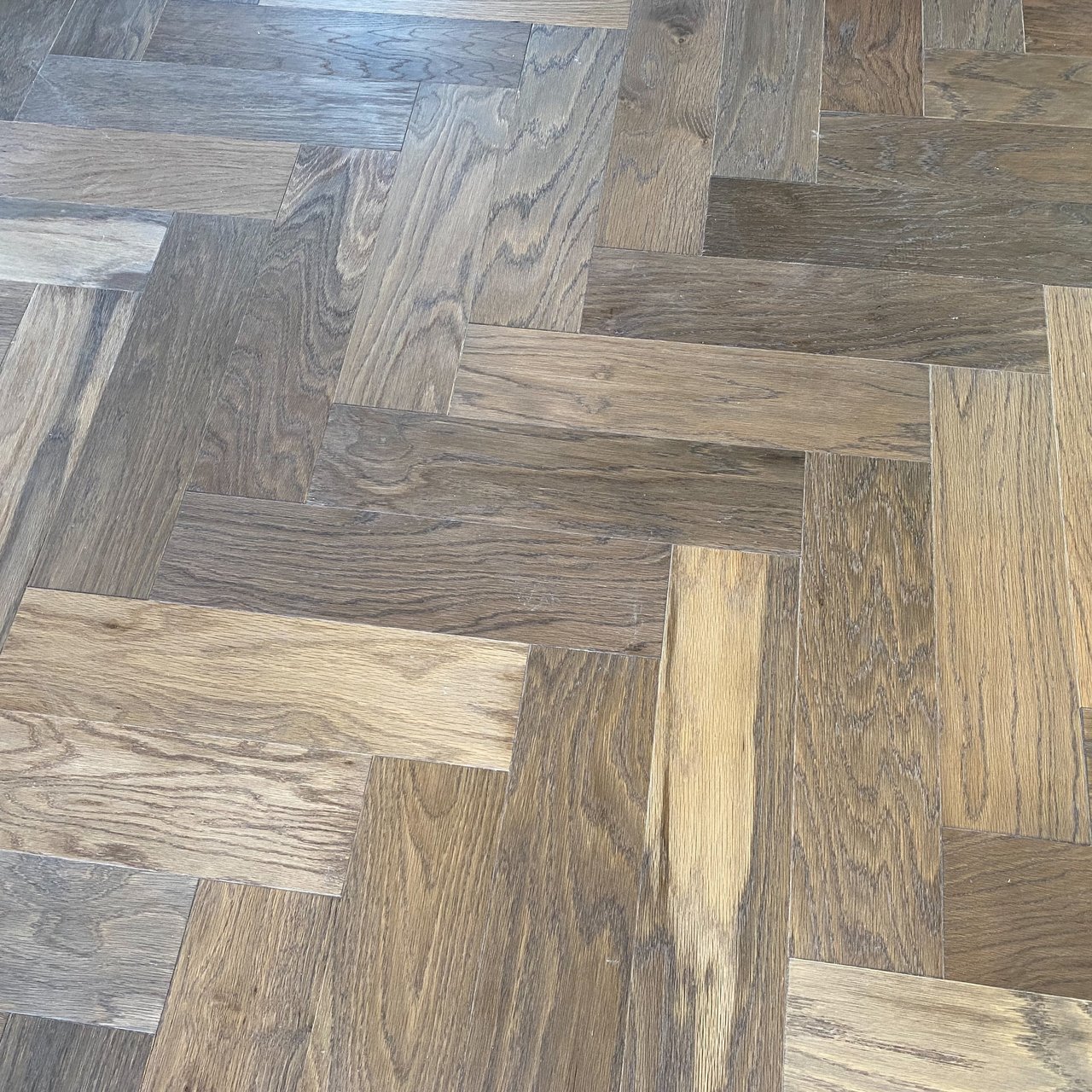
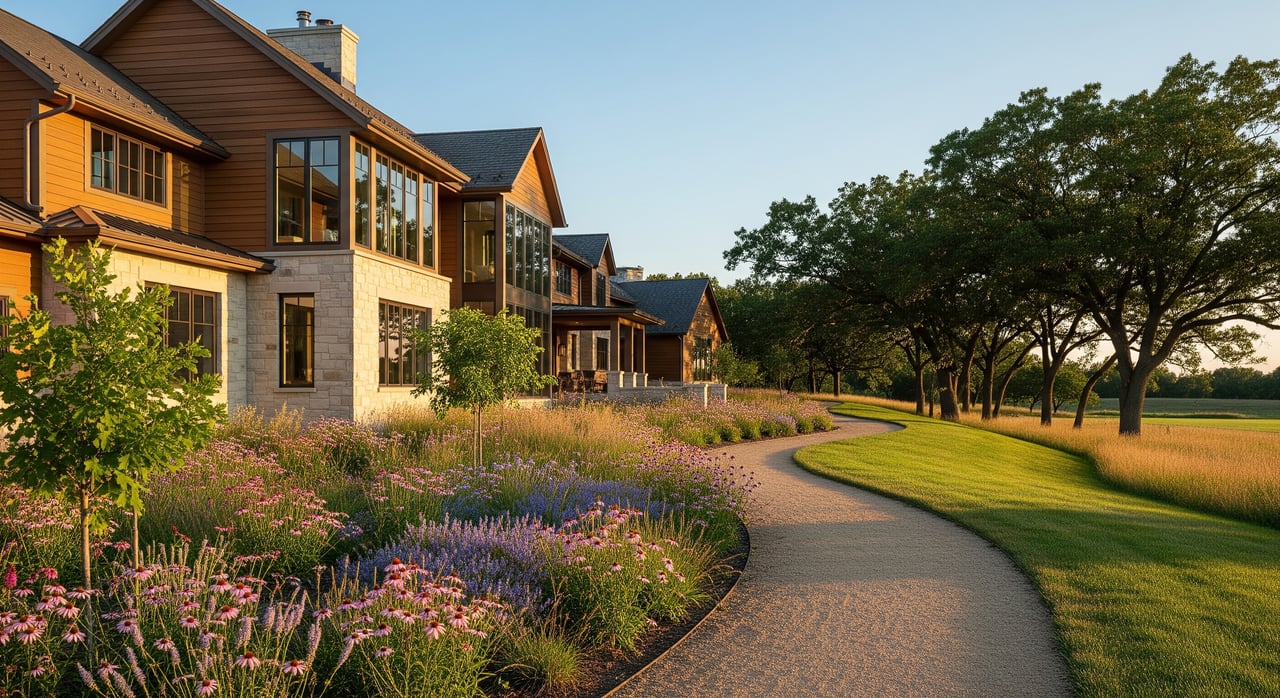
Homes here largely date to the early 1900s and reflect styles common to that era. You’ll see Craftsman bungalows with deep porches and built-ins, American Foursquares with practical layouts, Colonial Revival facades, and Tudor Revival elements. Many properties include hardwood floors, original trim, and divided-light windows that bring warmth and visual interest. Renovations over the decades range from light updates to full modernizations, so finishes and systems vary widely.
Lots, garages, and outdoor space
Lots are typically more compact than newer subdivisions, and mature street trees define the streetscape. Front yards are modest, and many homes include detached garages or alley access where historically present. Backyards tend to be usable for gardening and small gatherings but are not designed for expansive play fields or large private acreage. If you prefer a manageable outdoor area with established landscaping, this setup works well.
Renovation patterns and what to expect
Older homes often blend preserved period details with updated kitchens, baths, and HVAC. It’s smart to plan for typical age-related items such as roof life, foundation settlement, older electrical (including knob-and-tube in some), insulation improvements, and original plumbing. Exterior changes may be subject to historic preservation review if a property lies within a designated district, so you’ll want to confirm the rules early. A thorough inspection and upfront contractor consults can help you scope costs and timelines before you make an offer.
Trails, parks, and everyday outdoors
Living near the river and campus means you have quick access to multi-use trails for walking, jogging, and biking. Residents commonly use established routes that connect to the broader Iowa City trail network, including riverfront options such as the Iowa River Corridor Trail. These paths support both recreation and active commuting to campus or downtown. For exact trailheads and conditions, review current city trail maps and observe at different times of day.
Walkability and transit essentials
Walk and bike access to the University of Iowa, UIHC, and downtown restaurants and cultural venues is a key draw. Campus routes are also served by Cambus, with Iowa City Transit covering the broader area, so you can mix walking, biking, and bus options. If you drive, commutes are short, but parking near campus and UIHC can be in high demand during shift changes or events. Test your routine during peak times to see what works best for you.
Daily life rhythms you’ll notice
Weekday mornings often bring a steady flow of pedestrians and cyclists heading toward campus and the hospital. Midday can be quieter, with residents out for quick walks or a bite nearby. Evenings feel residential, though concerts, games, and academic events can increase activity and parking needs. Seasonal shifts matter too. When the university is in session, the area feels busier, and winter weather can influence bike and sidewalk conditions, making snow removal and maintenance a practical consideration.
Who finds the best fit
Manville Heights tends to attract professionals and academics who want a central, walkable lifestyle with historic charm. If you value original architecture, proximity to work, and the ability to swap some car trips for walking or biking, you’ll likely feel at home. Buyers who prefer expansive yards, wide driveways, and newer-construction layouts might lean toward neighborhoods farther from the core. The fit often comes down to how you balance character and convenience against space and parking priorities.
Home search and market considerations
Demand for this area is supported by proximity to UIHC and the University of Iowa, historic architecture, and strong walkability. Inventory is often limited, and well-presented homes can draw attention quickly. You’ll likely weigh period features against your need for updated systems, open flow, or modern kitchens and baths. Off-street parking can be limited on some lots, so factor parking and garage access into your decision.
Smart buyer checklist
- Confirm whether the property sits within any local or state historic designation and review exterior alteration rules.
- Evaluate big-ticket items common in older homes, such as roofing, foundation, electrical, plumbing, and insulation.
- Review permit history and plan for any interior renovations, additions, or energy upgrades.
- Verify school assignments for the exact address through the district’s boundary tools.
- Assess parking needs, alley access, and any local permit requirements for street parking.
- Walk the block during hospital shift changes and campus events to gauge traffic and parking patterns.
- Map your walking, biking, transit, and driving routes to campus, UIHC, and downtown at different times of day.
Renovating with confidence
If you plan to remodel or add on, start with local zoning, setbacks, and building permits. Properties within historic districts can require design review for exterior changes, which may affect materials or timelines, and can sometimes open doors to incentives. Older basements and utility systems vary, so review sewer, water, and stormwater details with the city and your inspector. Property taxes and assessments are address-specific, so consult county records to understand carrying costs.
Living essentials nearby
One of the perks of Manville Heights is access to everyday destinations without long drives. Academic buildings, hospital facilities, and downtown restaurants and cultural venues sit within a short walk or bike ride for many blocks. This setup supports a weekday routine that can include a campus commute, lunchtime strolls, and evening outings without relying exclusively on a car. If you enjoy a more active, close-in lifestyle, the neighborhood structure makes it easy.
Design-forward home strategies
If you’re targeting a historic home, a design-first approach can help you capture value. Look for properties with strong architectural bones, original trim in good condition, and floor plans that convert well to today’s needs. Simple upgrades like lighting, paint, and hardware can highlight period detailing, while thoughtful kitchen and bath remodels align classic character with modern function. The goal is to preserve the charm that makes Manville Heights special while improving livability, efficiency, and resale appeal.
Next steps
The best way to understand Manville Heights is to experience the streets, observe daily patterns, and tour a range of homes. If you want guidance on architectural fit, renovation potential, or how to position your purchase or sale in this micro-market, we’re here to help. Connect with Adam Pretorius to discuss your goals or to Request Your Home Valuation.
FAQs
How close is Manville Heights to the University of Iowa Hospitals and campus?
- Many blocks are within a short walk or bike ride of UIHC and the main campus, and campus bus service operates in nearby areas. Verify specific routes and times for your address.
What architectural styles are common in Manville Heights?
- You’ll find Craftsman bungalows, American Foursquares, Colonial Revival homes, and Tudor Revival elements, often with original woodwork, porches, and divided-light windows.
What should I expect from older-home systems in this neighborhood?
- Plan for age-related items such as roof life, foundation settlement, older electrical or plumbing, and insulation needs, alongside a mix of modernized kitchens, baths, and HVAC.
Is the neighborhood walkable and bike-friendly for daily errands?
- Yes, many residents walk or bike to campus, UIHC, and downtown. Sidewalk and trail access supports errands and commuting, though winter conditions can affect routes.
Are there historic-preservation rules that affect renovations?
- Some properties may fall under local historic review for exterior changes. Confirm designations and approval processes with the city before planning renovations.
How is parking for residents and visitors near Manville Heights?
- Off-street parking can be limited on certain lots, and demand increases near campus and UIHC during shift changes or events. Review driveway, garage, and on-street options.
Which schools serve Manville Heights addresses?
- The neighborhood is within the Iowa City Community School District, but assignments depend on the exact address. Use the district’s boundary tools to confirm current schools.