Torn between Iowa City’s East Side and West Side? You’re not alone. Each side offers a distinct rhythm, with differences in commutes, parks, housing, and school assignments that shape daily life. In this guide, you’ll learn the practical trade-offs through a Lemme-focused lens so you can choose with confidence. Let’s dive in.
East Side at a glance (Lemme)
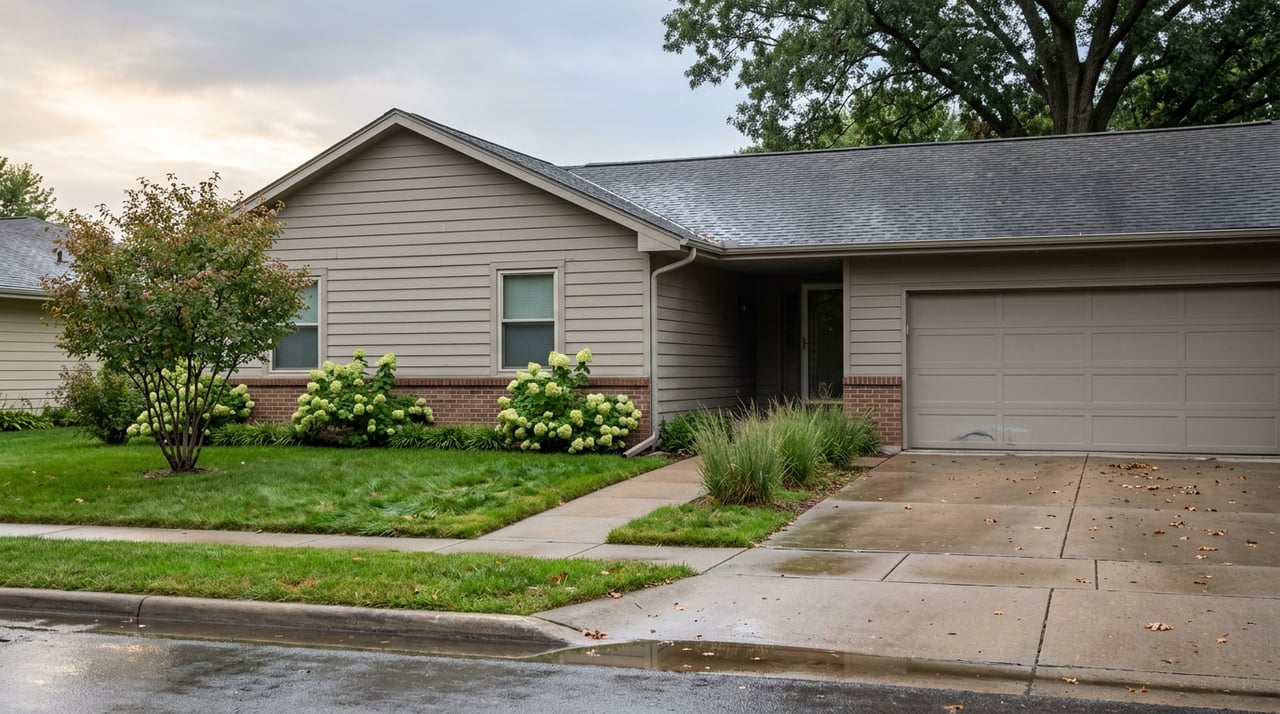
The Lemme area centers on Helen Lemme Elementary at 3100 E Washington St, a familiar anchor for many East Side buyers. You’ll find a mix of mid-to-late 20th century homes and newer infill, plus easy access to large green spaces. Families often prioritize yard space and quiet streets while staying within minutes of downtown and campus.
- Schools: Lemme typically feeds Southeast Middle and City High. Always verify a home’s assignment with the ICCSD feeder maps and address lookup before you write an offer. You can review the Lemme Elementary site and confirm attendance areas using the district’s feeder pattern and lookup tools and realtor resources.
- Parks and trails: Hickory Hill Park offers miles of trails and natural prairie right by the neighborhood. You can get a feel for the terrain on this Hickory Hill Park overview. Nearby, FeatherStone senior living has highlighted its community connection to Hickory Hill and local open space; learn more on FeatherStone’s site.
- Housing and lots: Expect ranches, split-levels, and traditional two-stories on standard suburban lots, with some larger-lot options at the far east fringe. Many buyers describe the East Side as strong value for space and parks.
West Side at a glance
If proximity to the University of Iowa and the hospital is critical, the West Side puts you near major employers, Kinnick Stadium, and City Park. Closer-in pockets often attract campus and medical staff who prefer walk or bike commutes. Farther west, you’ll see newer subdivisions with larger lots and a range of single-family and low-maintenance options.
- Daily convenience: Quick access to campus-area facilities and Coralville shopping corridors can simplify errands and reduce drive times for many professionals.
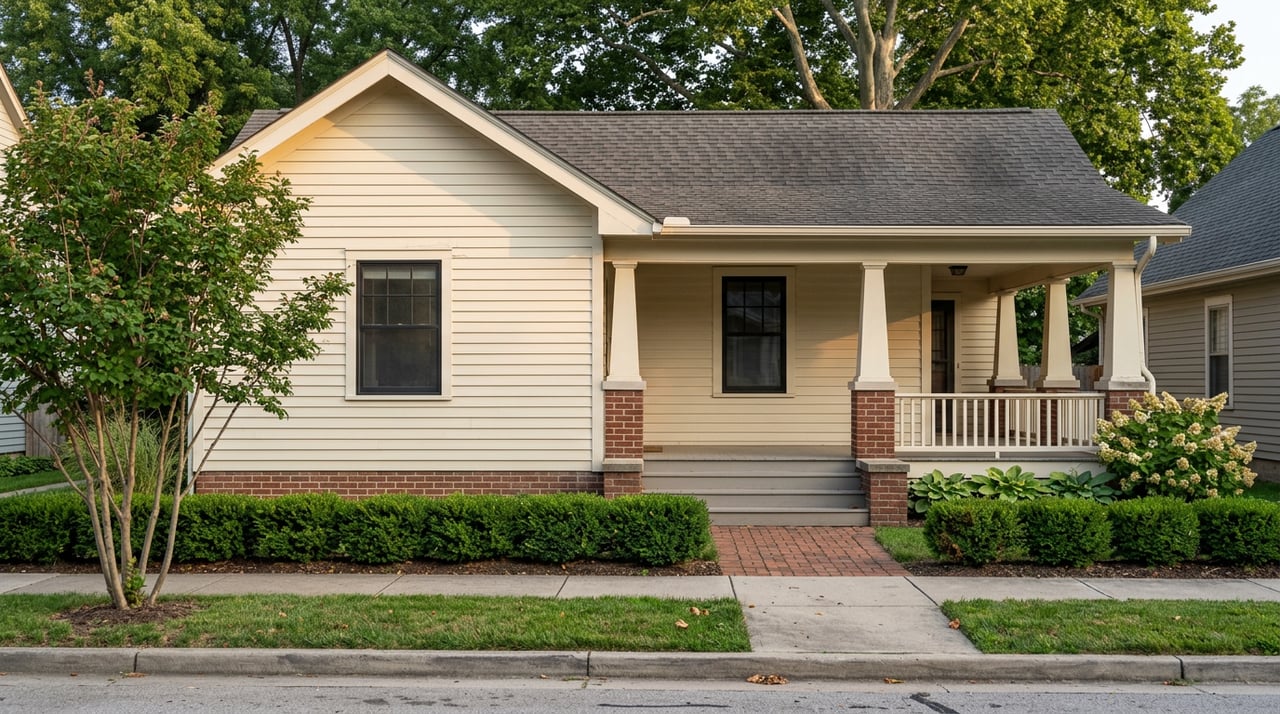
- Housing mix: Older, established blocks near campus sit alongside newer subdivisions to the west. Condos and townhomes appear in select corridors for buyers seeking lower maintenance.
- River corridors: Homes along the Iowa River or near creeks can come with flood-history considerations. For any river-adjacent property, confirm risk and insurance needs and review public resources like flood and inundation topic pages.
Commute and getting around
From Lemme Elementary to the University of Iowa Health Care Medical Center area at 200 Hawkins Drive, the straight-line distance is roughly 3.0 miles, which typically means an 8 to 12 minute drive in normal traffic. The Lemme point is documented here for reference: Helen Lemme coordinates. Biking often ranges 15 to 25 minutes depending on route and rider.
- Campus and hospital access: For parking, wayfinding, and shift details, review UI Health Care location resources. Close-in West Side neighborhoods can reduce daily parking stress for shift workers.
- Transit options: Local bus systems and regional connections support campus and shift commutes. You can explore route planning and transit tips via this Iowa City transit overview.
Prices and market context
Recent snapshots show Johnson County’s typical home value in the $290k to $300k range (Zillow ZHVI, data through Jan 31, 2026), with recent area median sale prices often in the low-to-mid $300ks in late 2024 through 2025–2026 reports. Treat the ZHVI as an index of typical value, while median sale price reflects what closed recently. Neighborhood medians can shift month to month, so ask for a current MLS report before you set your budget.
- East Side trend: Many buyers report you can often get more house for the money near Lemme, especially for lots near parks.
- West Side trend: Close-in pockets near campus and the hospital commonly command a premium; farther-west subdivisions trade proximity for newer construction and more space.
Which side fits your life?
Use these quick profiles to see where your needs align. Then test your commute and confirm school assignment by address.
Family prioritizing schools and yard
- Best fit to explore: East Side near Lemme and Hickory Hill.
- Why it works: Easy park access and a range of single-family homes with usable yards.
- Keep in mind: Commutes to campus may be slightly longer. Verify the address against ICCSD’s attendance-area tools.
- Extra step: If school context matters, combine touring with public data like GreatSchools’ Lemme page and an on-site visit.
Medical professional seeking stress-free commute
- Best fit to explore: West Side close to the UI Health Care campus.
- Why it works: Shorter drive or bike commute and fewer parking variables for shift schedules.
- Keep in mind: Event days near Kinnick can add traffic and parking demand.
- Extra step: Review UI Health Care location and parking info and test a commute at your expected shift time.
University faculty focused on bike access
- Best fit to explore: Close-in neighborhoods with established streets and bikeable routes to campus; some faculty also choose East Side subdivisions for yard space.
- Why it works: Shorter bike rides and strong neighborhood connectivity.
- Keep in mind: Close-in pockets may cost more per square foot than farther-out options.
- Extra step: Map your likely campus building and ride the route during daylight and after dark to compare times.
Downsizer favoring low maintenance
- Best fit to explore: West Side condo/townhome options or independent/supported living near Hickory Hill, such as communities referenced by FeatherStone.
- Why it works: Lower exterior maintenance and convenient access to parks, retail, and services.
- Keep in mind: Condos trade private yard space for shared amenities and may include HOA fees.
- Extra step: Compare HOA services, rules, and monthly dues across at least three communities.
A simple decision checklist
- Define three non-negotiables: school assignment or commute time to your workplace, lot size, and max price.
- Verify school assignment by address using ICCSD’s feeder pattern and lookup tools before touring.
- Run a test commute at peak hours. For hospital shifts, confirm ramp or permit details via UI Health Care location resources.
- If schools matter, combine public context like GreatSchools with in-person visits.
- Check flood risk if the property is near the river or a creek; review public resources such as flood and inundation topic pages and ask for seller disclosures.
- Ask for an MLS neighborhood median with a 6 to 12 month lookback to see current pricing and days on market.
If you want a clear, data-backed plan tailored to your commute, school preferences, and budget, connect with Adam Pretorius for local guidance and a smarter path to your next home.
FAQs
What is the Lemme school feeder pattern?
- Lemme Elementary typically feeds Southeast Middle and City High; always confirm a home’s exact assignment with ICCSD’s attendance-area lookup.
How long is the Lemme-to-UIHC commute by car?
- Typical drives run about 8 to 12 minutes in normal traffic from the Lemme area to the hospital campus; biking often takes 15 to 25 minutes depending on route and rider.
What parks are near the Lemme area?
- Hickory Hill Park sits close by with miles of trails and prairie; see a park overview on RecPlanet’s Hickory Hill page.
Are any Iowa City neighborhoods in a flood zone?
- River and creek-adjacent areas can carry flood considerations; review public resources like flood and inundation topic pages and consult maps before you buy.
How should I verify a home’s school assignment?
- Do not rely on neighborhood names; use ICCSD’s feeder patterns and address lookup and confirm directly with the district during your purchase window.