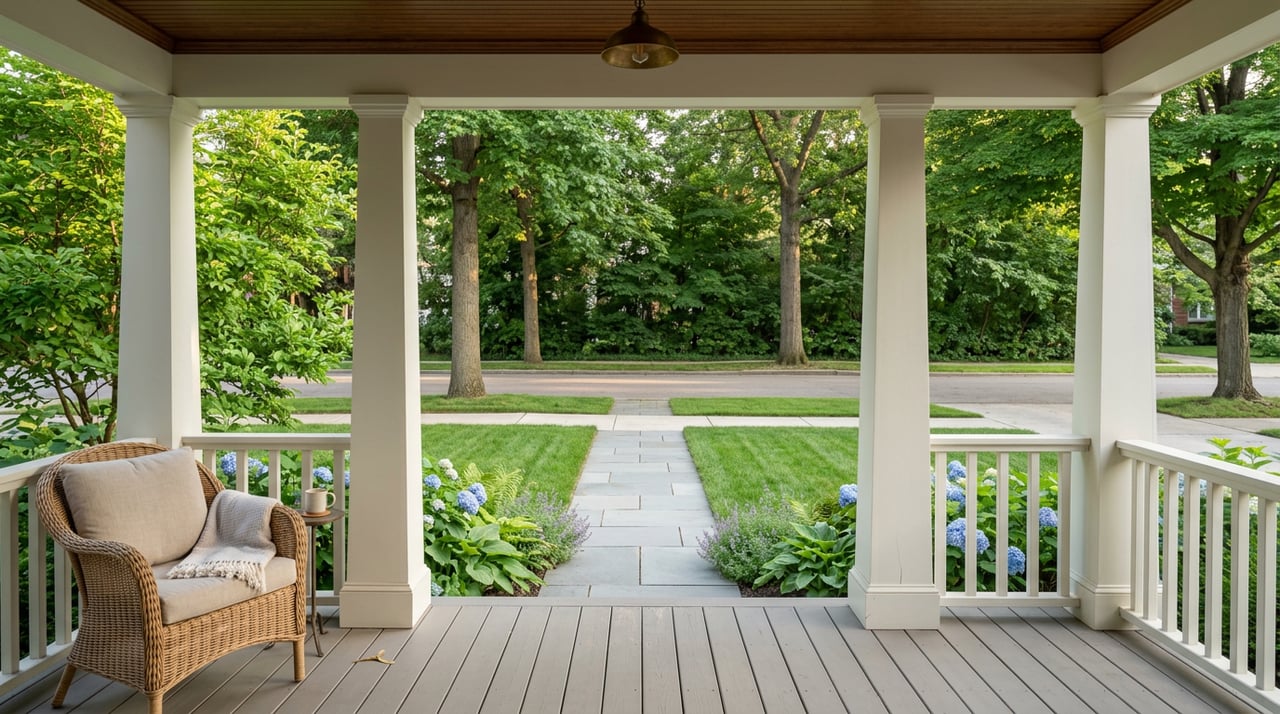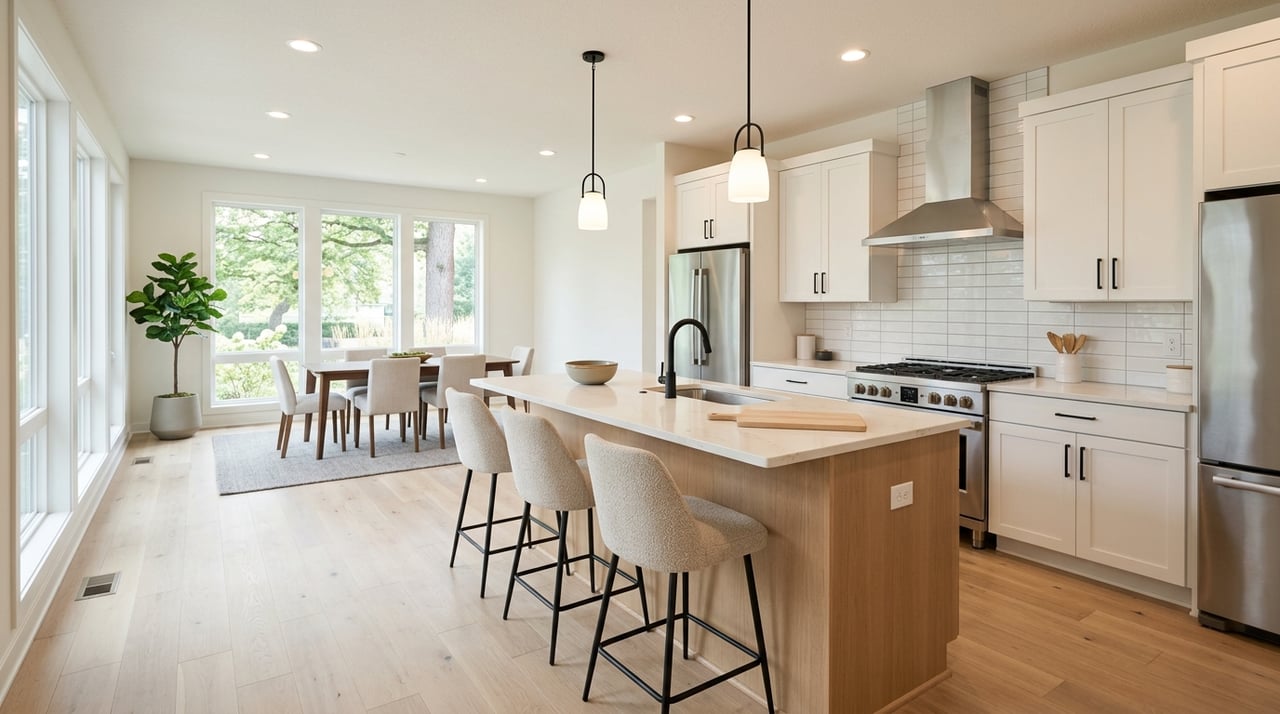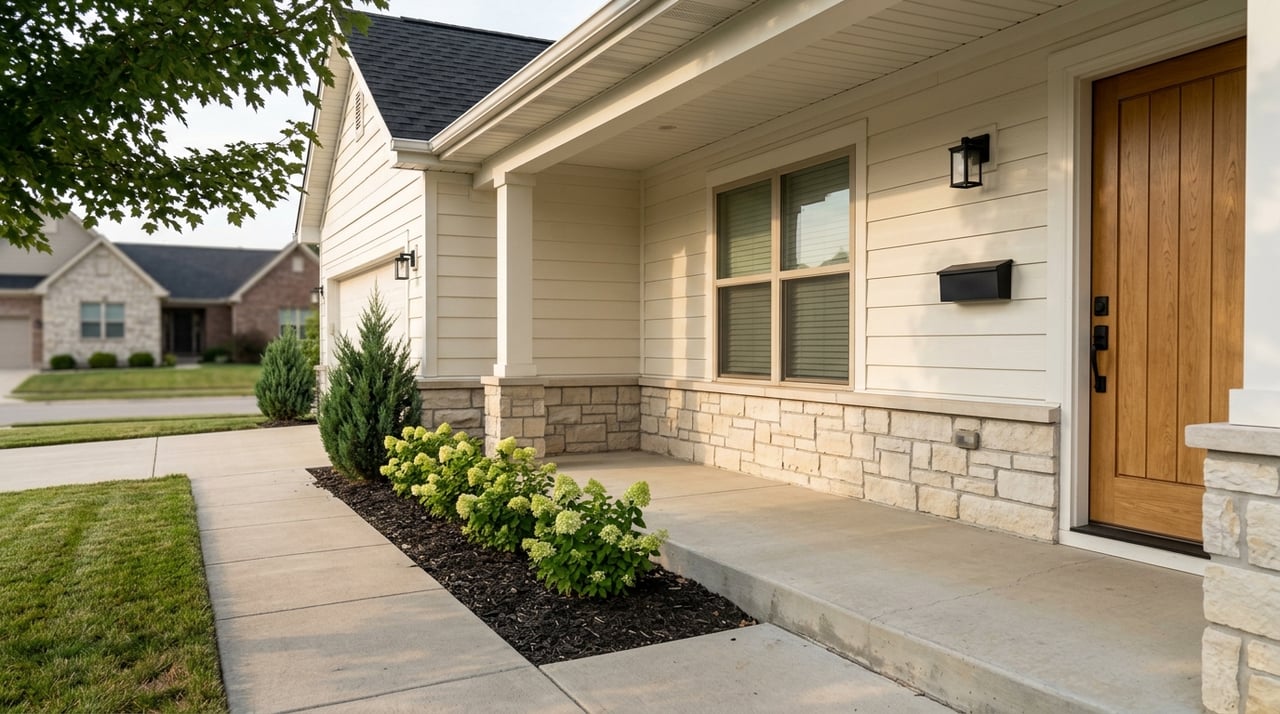
“Staging to sell,” “first impressions” and “lifestyle” are phrases cited for reasons to stage a home. Locally, companies like Evolve Staging and JJ’s Staging & Co. have grown rapidly—and that’s not by accident. Sellers are demanding it. Agents are leaning into it. And in a market where buyers are more selective, presentation isn’t optional anymore. So what does it costs—and why is everyone doing it?
Starting with the uncomfortable truth: the ROI isn’t perfectly measurable. There’s no exact formula that says, “spend $3,000 and make $9,000.” But that doesn’t mean it doesn’t work.
Locally, staging can range from roughly $500 to $5,000+ for a more comprehensive install, depending on the size of the home and level of service. And yes—most professional staging includes a rental period, meaning costs can increase if the home sits.
So why stage? Here’s where the conversations shifts. Homes that are staged tend to sell faster—and often with stronger offers—than those that aren’t. According to the National Association of Realtors, a meaningful percentage of agents report reduced time on market when a home is staged. Time is money…especially in real estate where time is expensive. The longer a home sits, the more buyers start asking “what’s wrong with it” and the more leverage shifts away from the seller. Price becomes the only tool left to move it. Staging flips that dynamic.
For me, it helps buyers see the space—not question it. It minimizes distractions and softens imperfections. And most importantly, it creates an emotional connection before a buyer ever steps through the door.
In my business, I don’t look at staging as an add-on—I look at it as part of the launch strategy. In fact, I cover the cost myself. Not because it’s cheap—but because it’s effective. If a buyer’s first impression is friction, they negotiate. If their first impression is clarity, they compete. That’s a big difference.
Behind the scenes, I’ve built my own staging inventory—a 30-foot warehouse filled with curated furnishings. Pieces sourced from brands like Restoration Hardware, Pottery Barn, and West Elm—along with locally sourced items from Dwell Home Furnishings (where I’m a VIP spender) allow me to tailor each home like a model.
Because that’s really what we’re doing as agents. We’re not decorating—we’re building a showroom. A space where a buyer walks in and immediately thinks, “I can see myself living here."
And if you want one simple rule when it comes to staging, it’s this: go neutral. The same white and cream tones most people avoid in their everyday lives? They’re exactly what photograph best. They create contrast, reflect light, and allow the architecture—not the furniture—to do the talking.