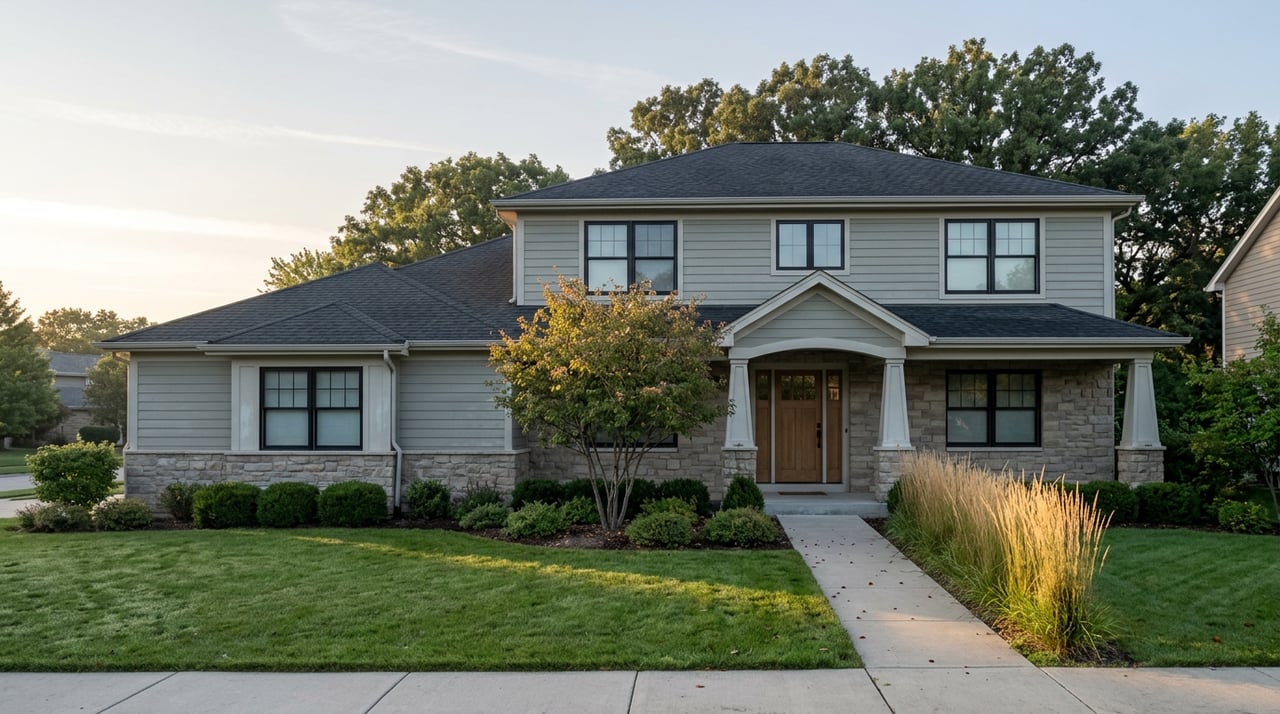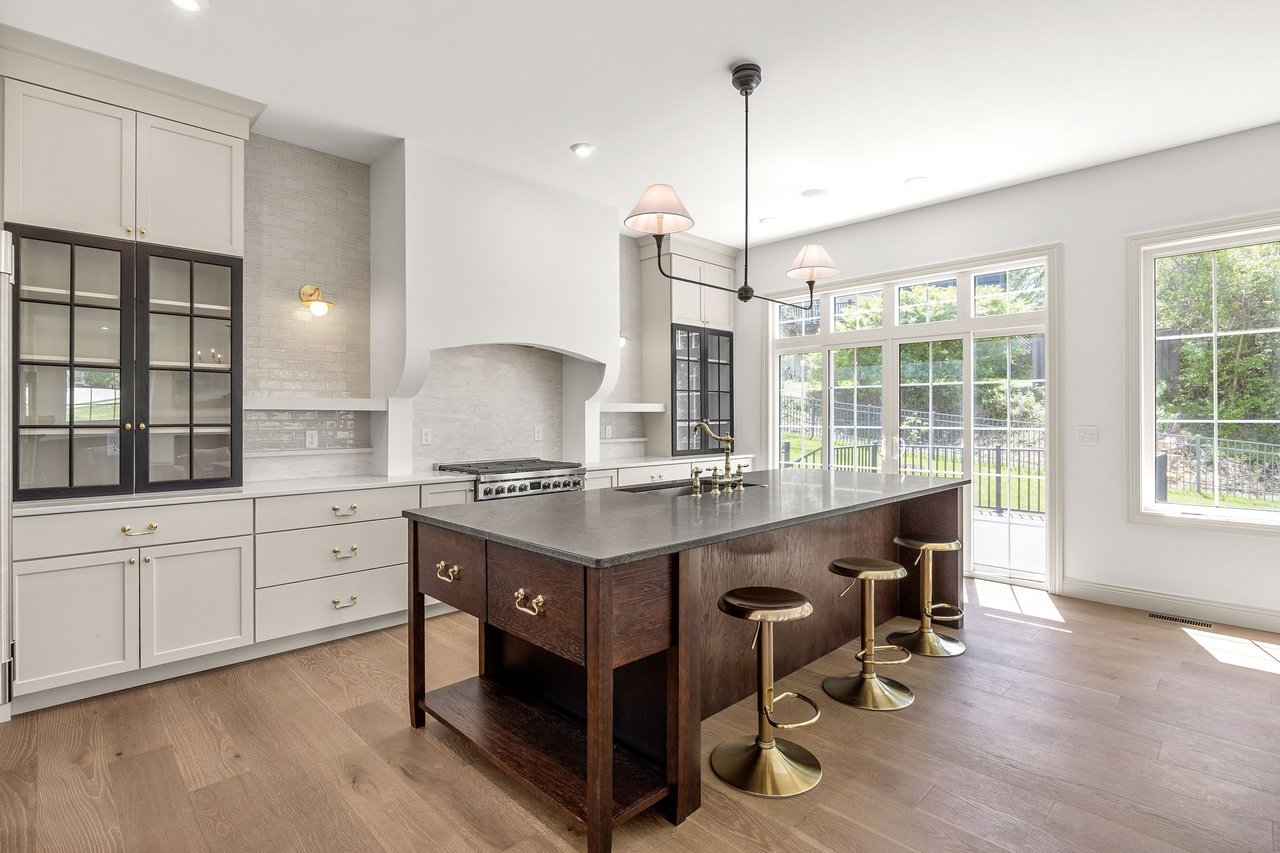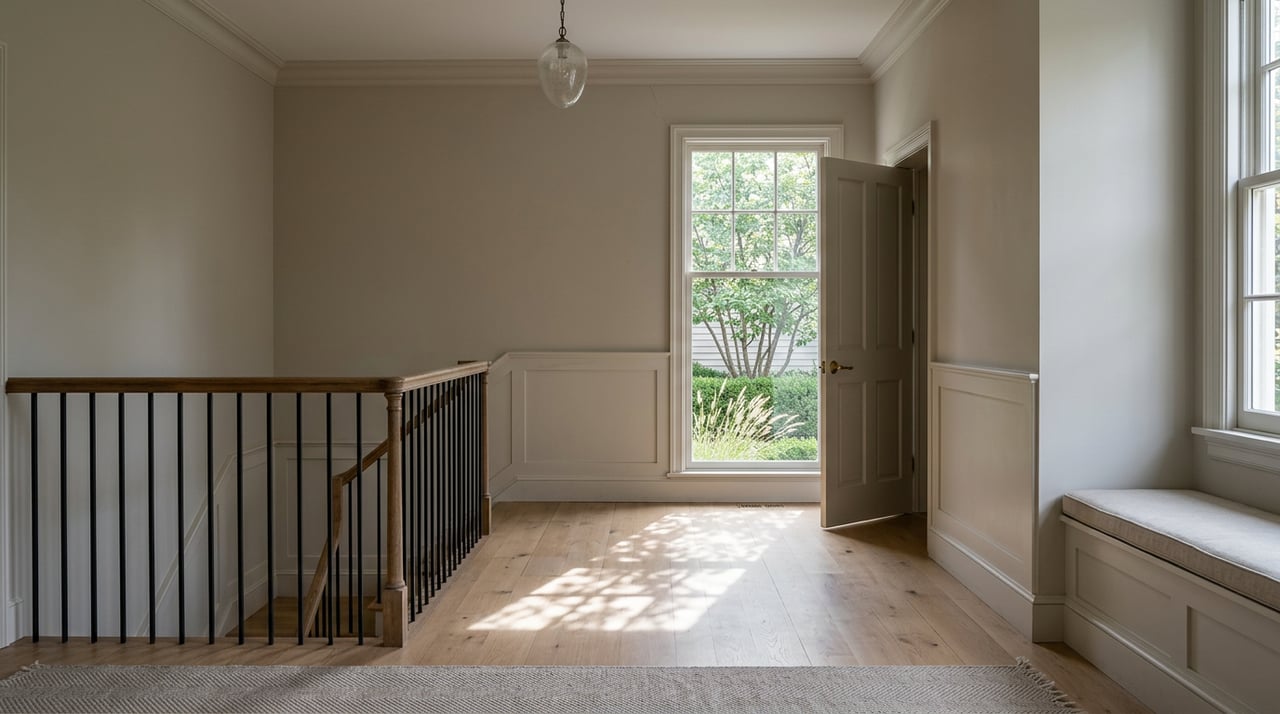
A buyer comparing Iowa City neighborhoods this fall will eventually land on the Peninsula and ask the same question builders used to answer for free: what's left to build. For years the answer came with a price sheet. Now it doesn't. The neighborhood's own listing page states plainly that construction is complete, with the last remaining lots finishing out the final round of new homes. There is no next phase. No spec home coming in the spring. No builder to call for upgrades on a floor plan.
That sentence changes more about buying here than most people expect. It is not a footnote about inventory running low. It is the moment a market that priced itself off builder price sheets switches to pricing itself off nothing but the neighbors.
There's No Builder Left to Set the Number
In a neighborhood still building, a buyer has a built-in reference point. The builder's current price list tells everyone, informally, what a similar home costs today, and every resale gets measured against it. Appraisers lean on it. Agents write offers around it. It keeps the whole market anchored to a number someone is actively setting.
The Peninsula does not have that anchor anymore. Every transaction here now is one resale being measured against other resales, with no builder in the mix to reset expectations. That sounds like a small technical shift, but it changes how an appraisal gets built and how a buyer should read a listing price. There is no fresh construction cost to point to. There is only what the last few houses actually closed for, and how long they sat before they did.
Across the last 12 months, homes in the Peninsula area have typically stayed on the market between 55 and 56 days, close to a typical national range. That is not a market where buyers are racing each other for the last available lot. It is a market absorbing its fixed supply at a steady, unhurried pace, one resale at a time, which is exactly what you'd expect once the pipeline of new inventory closes for good.
What the Price Growth Is Actually Measuring
The headline number looks strong on its face. Over the trailing 12 months, the median sale price in the Peninsula area has run around $329,500, up roughly 9 percent from the year before, with average sale prices climbing a similar amount over the same window. A buyer skimming that figure might assume demand is surging the way it does in a neighborhood still adding new phases.
That is not quite what is happening here. This is a capped community, 72 acres and roughly 403 homes, built out from a single access road with no room left to expand. When a neighborhood cannot add supply, price growth stops being a story about demand outrunning new construction and becomes a story about a fixed number of homes changing hands slightly more often, or slightly more expensively, each year. The appreciation is real. The mechanism behind it is scarcity, not momentum. That distinction matters if you're comparing the Peninsula's price trend to a neighborhood on the east side or in North Coralville that is still releasing new phases, because those numbers are being generated by two different processes even when they look identical on a chart.
The HOA Is Now the Only Entity Managing What's Shared
Every planned community leans on its developer during the build-out years to smooth over shared spaces. Builders often subsidize landscaping, cover early maintenance gaps, and generally keep common areas presentable while they are still trying to sell the last few homes. Once the builder is gone, that subsidy disappears, and the homeowners association becomes the only entity funding and governing everything the neighborhood shares.
In the Peninsula, that shared space centers on Emma Harvat Square Park, the green at the middle of the neighborhood where community events happen throughout the year. HOA dues are what keep that space maintained now. There is no developer picking up a shortfall or covering an unexpected repair. For a buyer this means the HOA's reserve fund, its meeting minutes, and its fee history are worth more scrutiny here than they would be in a neighborhood still mid-build, because this association is operating without a safety net for the first time. Ask to see recent HOA financials before writing an offer. That single document tells you more about the long-term cost of ownership here than any comp will.
Where the "New" Actually Went
If the residential lots are gone, the neighborhood's remaining growth has migrated somewhere else: commercial space. Near Emma Harvat Square, a live-work property recently came to market with retail or office space on the ground floor and a two-bedroom flat above it, the kind of flexible listing that shows up in a neighborhood still figuring out what its commercial core will become. A few doors over, a three-story building on the square, currently home to an Asian noodle restaurant, has been listed with the residential condo above it, marketed explicitly as a future neighborhood pub.
Neither of those listings is a house. Both of them are evidence that the Peninsula's build-out story is not fully finished, just relocated. The 403 homes are set. The handful of storefronts around the square are still turning over, still being reimagined, still carrying the kind of upside that used to belong to the last available house lot. For a buyer or investor drawn to the Peninsula's New Urbanism layout specifically because it promised a walkable mix of homes and small businesses, this is where that promise is still being written.
What This Means If You're Comparing Neighborhoods
A buyer weighing the Peninsula against a still-building neighborhood is really weighing two different kinds of risk and reward. In a neighborhood with active new construction, you get builder warranties, modern systems, and a price that's anchored to something visible, but you're also buying into a market that could keep adding supply and soften prices at the margin. In the Peninsula, you're buying into a fixed, walkable community with a mature tree canopy and an established rhythm, where the ceiling on new supply means today's price is a reflection of scarcity that isn't going away. What you give up is the builder's price sheet. What you get is a number that has nowhere left to be diluted by more homes hitting the market next spring.
That's the trade worth naming honestly before you write an offer here, not after.
A Few Questions Worth Asking Before You Tour
Does "no new construction" mean there's nothing for sale? No. Resales continue at a steady pace, and commercial space around Emma Harvat Square is still actively changing hands.
Does the HOA cover the same things a builder used to? Not automatically. Ask specifically what the association funds today versus what may have been developer-subsidized in earlier years, and request recent financials before you're under contract.
Will prices keep climbing the way they have? Nobody can promise that, and this isn't financial advice. What the recent 12-month numbers show is a fixed-supply neighborhood absorbing steady demand at a measured pace, which is a different pattern than a neighborhood still adding inventory, and worth understanding on its own terms.
If you're weighing the Peninsula against another Johnson County neighborhood right now, the comparison only works if you're pricing the right mechanism. Adam Pretorius has spent years inside this specific market, including current listings through Lepic-Kroeger, REALTORS, and can walk you through what a fixed-inventory neighborhood actually does to your offer strategy. Request Your Home Valuation to start that conversation with real numbers, not portal averages.