If there was one story that was missed last month, it was the month’s biggest story: bonds. Something unusual happened this summer. Investors began demanding more than 5% to lend money to the United States government for 30 years. At one point, the yield on the 30-year U.S. Treasury climbed to its highest level since 2007.
If you're already losing interest because I said “Treasury bond,” stick with me. Because last week the average 30-year mortgage rate jumped to 6.71%—its highest level of 2026. Suddenly this isn't really a bond story. It's a story about the price of money. And lately, money is getting more expensive.
Did I lose you? Honing your interest back in…because this is super important, and you should know what is happening. Because bonds are the benchmark for every other loan you get—including a mortgage!
Here’s how bonds works. When the federal government needs money, it borrows it by selling Treasury bonds. You give the government money today. The government promises to pay you interest and eventually return your money. Okay, so far, pretty simple.
But here's the important part: investors decide how much return they require to make that loan attractive. If investors become worried about inflation, government debt, war, or simply the enormous amount of borrowing happening throughout the economy, guess what, they demand a higher return. Bond prices fall. Yields rise. And those higher yields begin influencing borrowing costs throughout the economy.
Which brings us to this summer. All these forces have collided at once!! Here’s what’s happened and is still happening:
WAR:
War is No. 1. It has reignited inflation fears. The biggest immediate catalyst has been energy. The conflict involving Iran has disrupted global energy markets, while attacks on Russian refining capacity have added even more pressure. Diesel prices in particular have surged. That matters more than the number hanging over the diesel pump at your local gas station (my neighbors not laughing this summer about his diesel commuter, previously inexpensive to operate...not this year).
Diesel powers trucks, trains, farming equipment, construction equipment and much of the machinery used to move products through the economy. When diesel becomes substantially more expensive, the cost of producing and transporting everything can rise with it.
Bond investors pay very close attention to inflation. Imagine agreeing to lend someone money for 30 years. If you suddenly think inflation will be higher than expected during those 30 years, you probably want a higher interest rate. That's exactly what investors have been demanding.
RECORD DEBT:
Then there’s the federal debt. Like a LOT of it, the other big story of the month. By a lot, I mean it exploded, it’s $40 trillion—a new (sad) record. This second issue isn't temporary.
The United States recently crossed $40 trillion in gross federal debt last month. That doesn't mean the country is suddenly insolvent. There remains enormous global demand for U.S. Treasuries.
But supply matters. Washington has to continually issue huge amounts of debt to finance government spending and refinance debt that comes due. The more bonds the government needs to sell, the more important it becomes to make those bonds attractive to investors. In other words, the higher the debt, the more bonds need to get sold. If more bonds are getting sold, investors want to get higher yields.
At some point, basic economics takes over. If you're selling enormous quantities of something, buyers may demand a better deal. In the bond market, that better deal is a higher yield.
THE AI ECONOMY:
Uncle Sam has competition—a better investment. The federal government isn't the only institution trying to borrow enormous amounts of money. The artificial-intelligence boom is becoming one of the largest infrastructure investment cycles we've seen in decades.
Data centers require land, buildings, processors, electrical infrastructure, power generation, cooling systems and huge transmission upgrades. And somebody has to pay for all of it. Technology companies and utilities are increasingly entering the bond market to finance those investments. They're also willing to pay handsomely.
So investors suddenly have choices. Would you like to lend money to the federal government? Microsoft? Amazon? A utility company building power plants? Everyone is competing for the same pool of global capital. And AI companies are offering better returns. When demand for money rises, the price of money can rise with it. And the price of money is the interest rate.
THE CHAOTIC RESPONSE:
So, all these factors have collided, but where the story gets really interesting is what the government did—or tried to do—next. This is where it becomes worthy of a bucket of popcorn!
When markets get chaotic, Treasury normally wants to be boring…predictable…stable. The last thing you want to do is surprise investors, because if investors lose confidence, they demand even higher rates. Except, this summer, the Treasury did something pretty unusual.
Another problem was brewing in Japan. The Japanese yen had fallen to a 40-year low and Japan's bond market was under increasing pressure. Okay, so why should we care? Well, Japan has historically been one of the world's biggest buyers of U.S. Treasury bonds. If Japanese investors decide they can get better returns at home—or need to pull money home to stabilize their own markets—that potentially means fewer buyers for our debt.
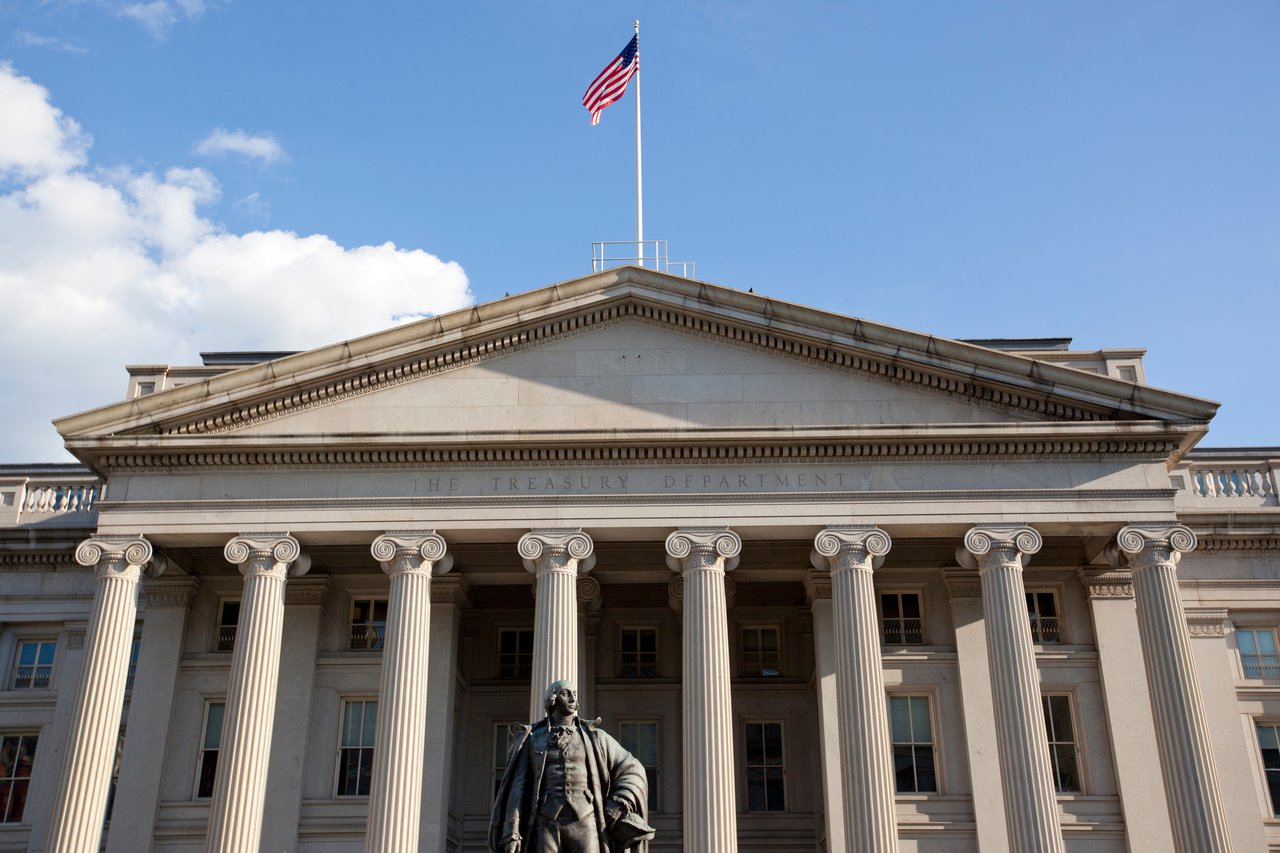
So, last month, Japan and the United States actually intervened together to prop up the yen. The U.S. Treasury bought billions of dollars' worth of yen—a move very unusual. Then a few weeks later, Treasury tried another unusual move here at home: it doubled some purchases of its own long-term bonds to at least $4 billion, trying to calm the Treasury market and push long-term yields back down. It worked…for a minute. That day, yields dropped after the announcement, but quickly started climbing again.
None of the government interventions changed the underlying math: America still needs to borrow enormous amounts of money, and somebody has to be willing to lend it to us.
That makes it harder to build inexpensive housing—which is particularly inconvenient at a time when nearly everyone agrees America needs more of it. Higher borrowing costs can therefore reduce housing production even while housing remains undersupplied. Not exactly the combination we need right now.
Everyone needs more money. From the government to AI infrastructure. The problem: if governments and companies want to borrow this much money, investors are going to make them pay more for it. Unfortunately, the rest of us probably will too. So ya, this was the biggest story of last month, and it continues to be a big story...