For years, economists predicted higher interest rates would slow America’s remodeling boom. After all, if homeowners were feeling squeezed by inflation and borrowing costs, wouldn’t renovation projects be one of the first things to go? Not exactly.
Instead, remodeling has evolved from pandemic-era “dream projects” into something much more practical: strategic reinvestment in the home people already have. And frankly, many homeowners feel they have little choice.
Americans remain locked into historically low mortgage rates from the pandemic years, creating what economists call the “lock-in effect.” Millions of homeowners secured rates under 4%, and trading that mortgage for today’s higher borrowing costs simply doesn’t make financial sense. Rather than move, many owners are choosing to renovate around the mortgage they already love.
According to recent housing surveys, homeowners are still spending heavily on renovations, repairs, and upgrades—especially projects that improve functionality, efficiency, and long-term livability. But the nature of remodeling has changed dramatically from the early pandemic years.
Half of homeowners plan to undertake remodel projects in 2026, according to Houzz study.
That survey found that more than half of homeowners reported plans to renovate in 2026. Home renovation activity has risen in recent years but here's the stat that says it all: 47% were undertaking repairs.
Houzz reports homeowners are increasingly investing in:
- Aging homes needing repairs and system updates
- Kitchens and bathrooms with outdated finishes
- Energy-efficient improvements
- Home offices and flexible living spaces
- Outdoor living areas
- Accessory dwelling units (ADUs) and multigenerational living
- “Lifestyle upgrades” they once expected to get simply by moving
And there’s a major reason this trend isn’t slowing down anytime soon: America’s housing stock is getting old.
The median U.S. home is now decades old, with many homes built long before modern layouts, energy standards, or today’s lifestyle expectations existed. Following the slowdown in construction after the 2008 housing crash, the country underbuilt housing for years—leaving both a housing shortage and an aging inventory problem.
At some point, deferred maintenance stops being optional. Roofs wear out, windows fail, and mechanical systems age. Floor plans begin to feel dated. For many homeowners, remodeling is no longer cosmetic—it’s infrastructural.
And while renovation costs remain elevated due to labor shortages and material pricing, many homeowners still see upgrades as financially smarter than giving up a low mortgage rate to purchase another home at today’s prices. Ironically, every remodel may also be contributing to another major housing problem: low inventory. Every homeowner that chooses to renovate instead of move is one less listing hitting the market.
For years, Americans viewed housing as a ladder: starter home → move-up home → dream home. Today, many owners are looking at their historically low mortgage rate and deciding their current home might need to become all three.
Don’t expect remodeling demand to slow too much, there are some big reasons to expect homeowners to continue to have projects:
🏠 Low Inventory: the number of available homes for sale on the market remains low as homeowners choose to stay in their existing home rather than upgrade, the “lock-in effect” caused by the rising interest rates where 85% of homeowners have interest rates locked in less than 6.0%.
🪚 Aging homes. Homes are getting older in the U.S. with 50% of the home stock now 40 years or older and 80% of homes were built in the last century as a result of a slowdown in building following the 2008 recession leaving the country 6.5 million homes short of current demand. Most homes enter remodeling projects when they’re between 20 to 29 years old, according to the National Kitchen and Bath Association.
💰 Increase value. A recent survey found that 62% of homeowners said their primary reason for renovations was to increase the home’s value. Here’s a breakdown of the reasons homeowners are having updates: 65% cited their home as needing repairs; 60% had outdated interiors, 38% lacked trendy fixtures; and 33% thought it lacked curb appeal.
Traditionally, financial advisors have suggested ear-marking 1% a home’s value annually for upkeep. Today, many are saying 3% is more realistic for expected maintenance and improvement projects.
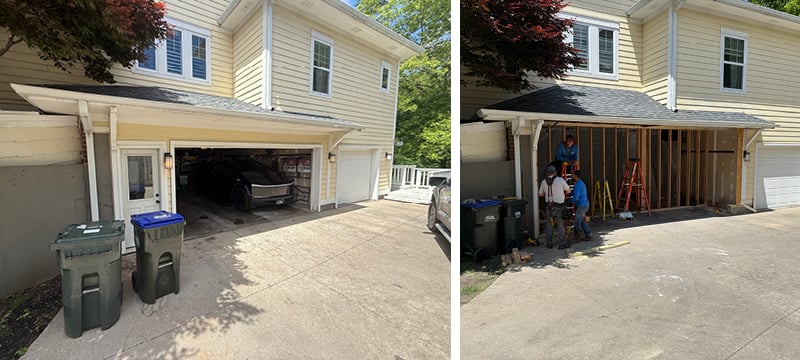
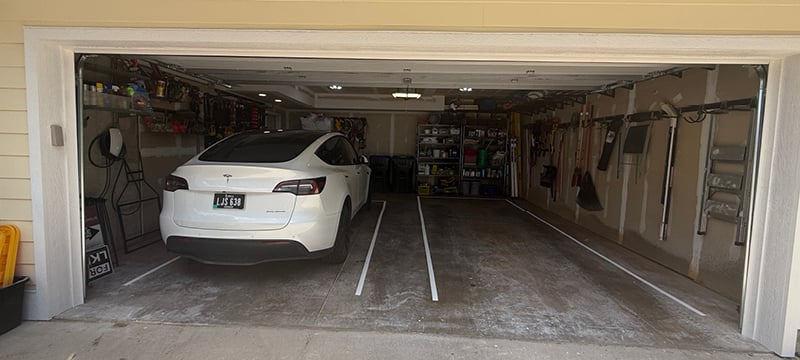
📸 Last summer, Adrianne and I swapped our standard 16’ garage door for an 18’ opening—and honestly, those extra two feet changed daily life more than expected. We never used the side garage door, so reclaiming that space gave us more breathing room between vehicles, easier kid loading, fewer door dings, and a garage that simply functions better for real life.
And this summer? We’re going much bigger. A major renovation project is in the works… details coming in the next newsletter. 👀
------
Learn more about remodel projects with my deep dive:
🔗 How the Homes Age Influences Remodel Projects
------
Want to read more?
🔗 NAR Magazine | Remodeling Boom Over or Just On Pause
🔗 WSJ | The Typical US Home is 44 Years Old and Needs Tons of Work