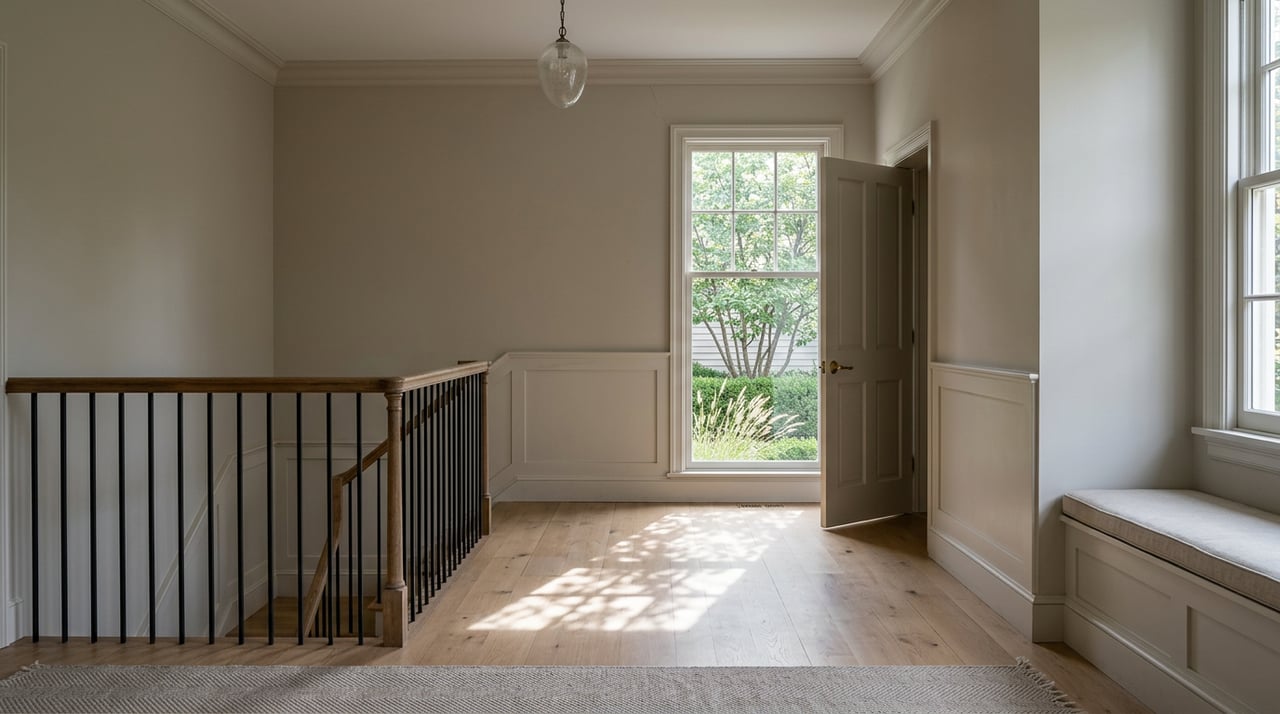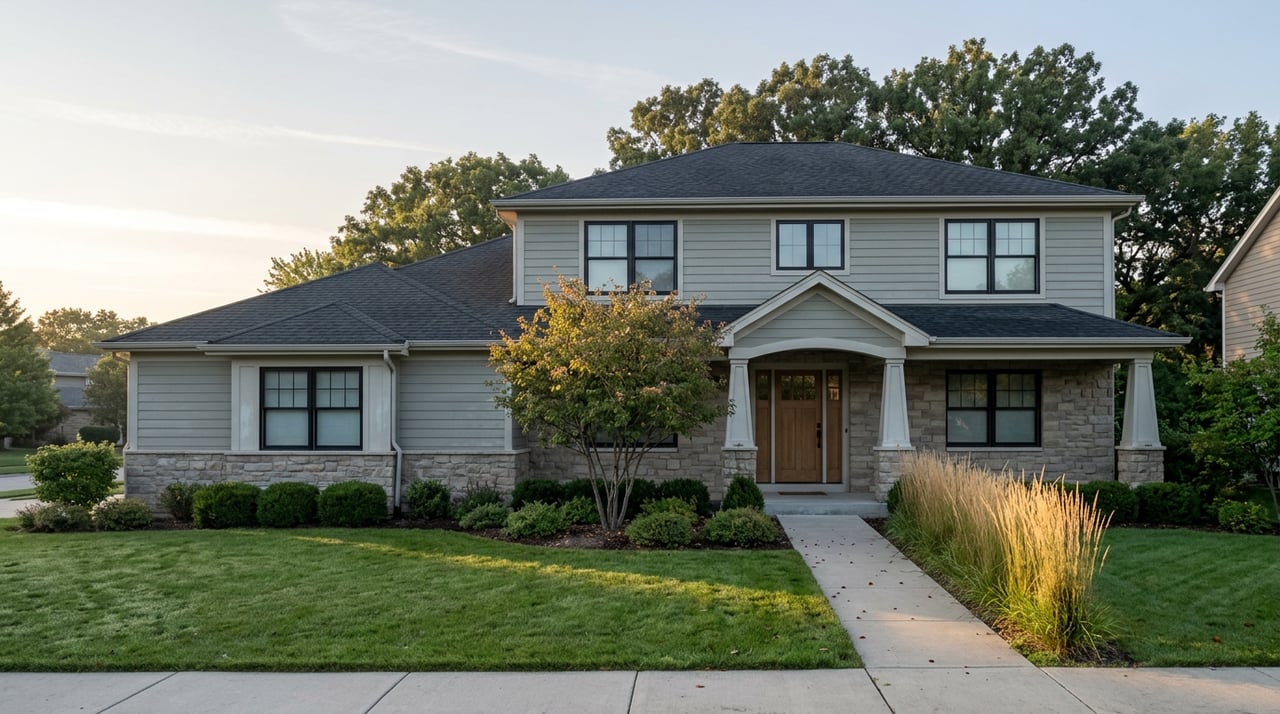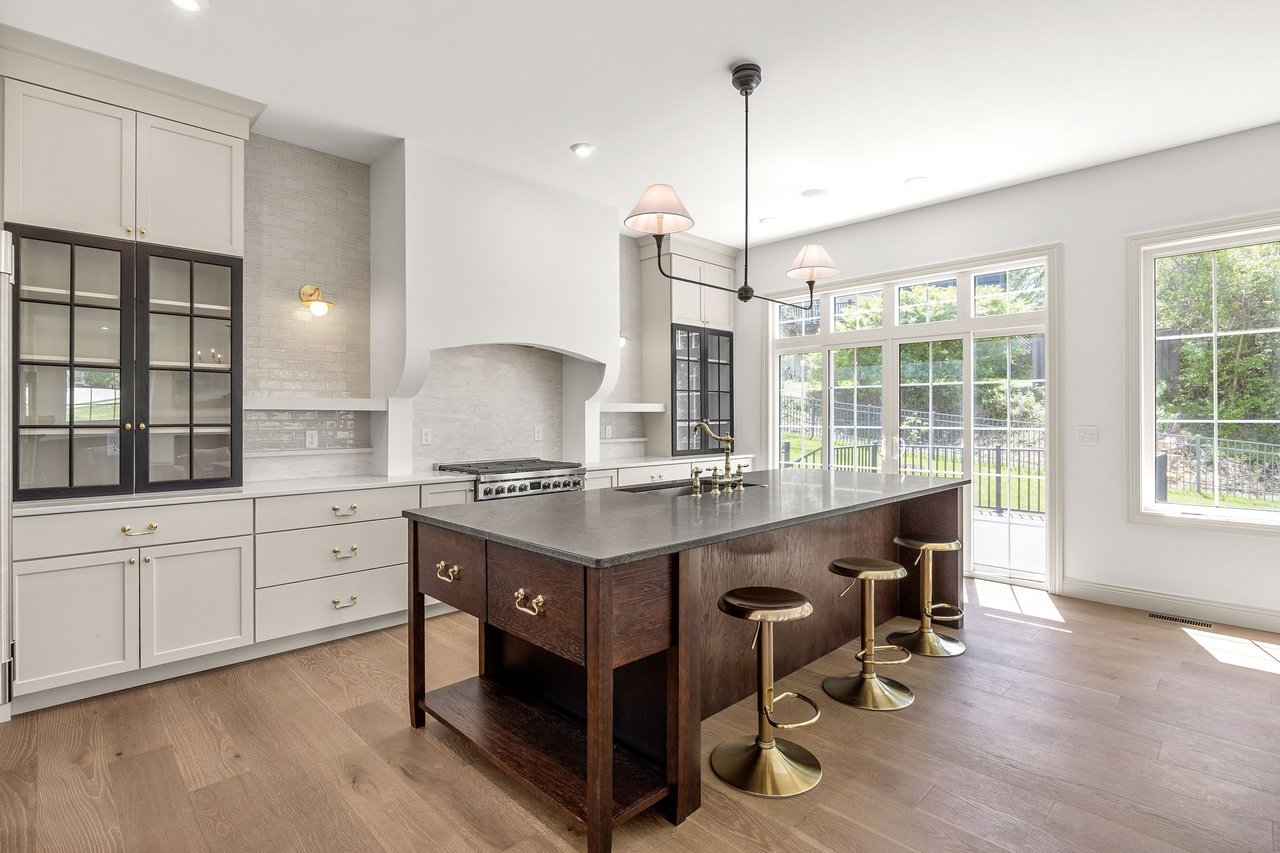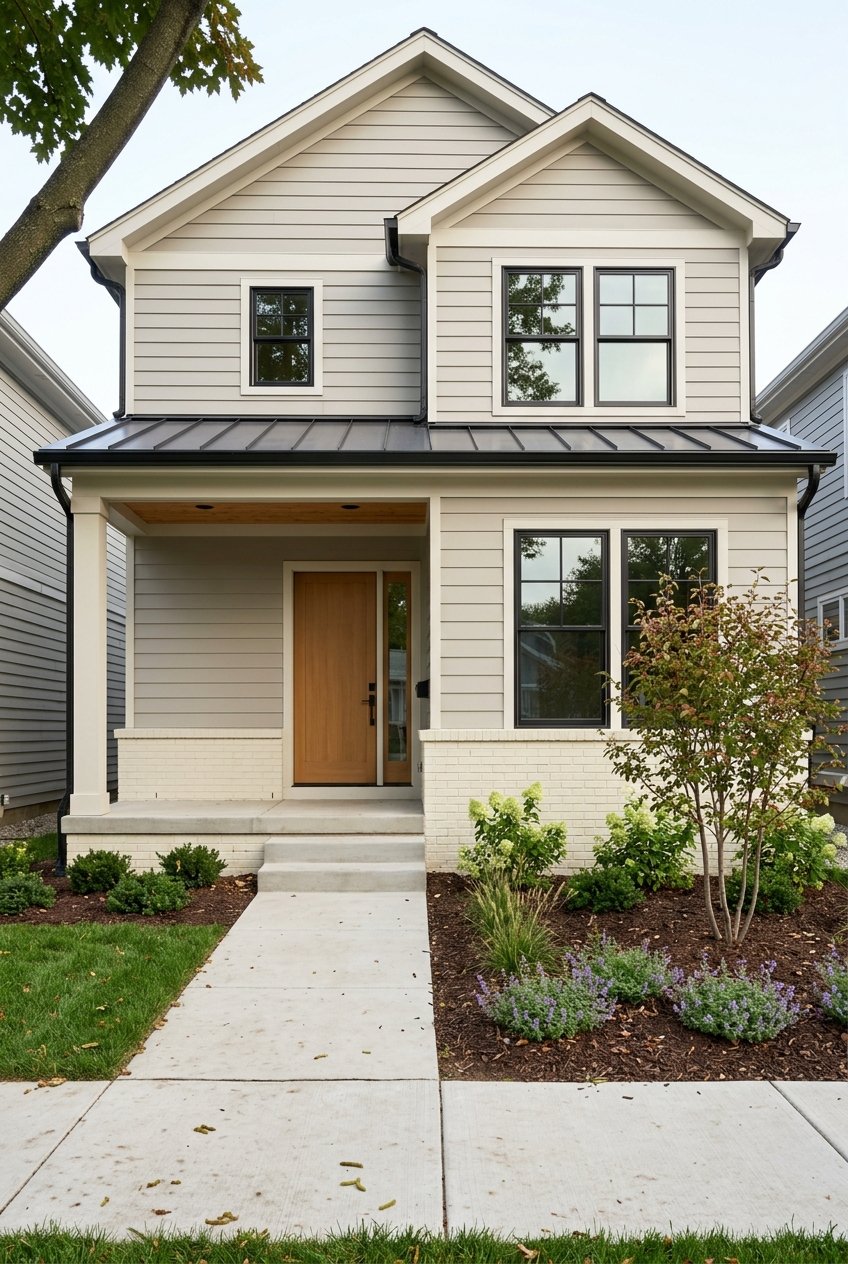
If you are thinking about launching a new build in Iowa City’s Peninsula, the usual spec-home playbook is not enough. In this neighborhood, lot fit, porch placement, garage visibility, and materials all matter before the first marketing photo is ever taken. If you want a launch that feels credible to buyers and efficient for your timeline, you need a plan built around the Peninsula’s code, process, and pricing context. Let’s dive in.
Peninsula launch starts with the lot
The Peninsula Neighborhood is governed by its own neighborhood code and review structure, not just a standard subdivision checklist. The City of Iowa City requires written confirmation from PNARB that submitted plans meet the covenants and deed restrictions before a building permit can be issued. That means your launch timeline should begin with approval reality, not just a concept rendering.
The regulating plan acts as a master plan for the neighborhood, and some lots carry added design requirements because of their location. In practice, the lot is part of the design brief from day one. A home that works well on one block or frontage may not translate cleanly to another.
For builders and sellers, this matters because buyers in the Peninsula are often responding to more than bedroom count or total square footage. They are also noticing whether a house feels like it belongs on the block. That neighborhood fit can shape both first impressions and pricing confidence.
Why generic plans struggle here
The Peninsula code favors a traditional architectural language shaped by local building patterns in Iowa City and Johnson County. The goal is not to copy an older house exactly, but to use disciplined forms, durable materials, and a strong relationship between the home, porch, front yard, and street. That is a very different starting point from dropping a standard plan onto a lot and adjusting later.
Street-visible materials are limited to brick, wood siding, smooth stucco, and stone. The covenants also call for consistent wall materials across the facade and a visual hierarchy where heavier materials support lighter ones. If your plan depends on trend-driven exterior mixes or highly synthetic expressions, it is likely to feel out of step.
Openings matter too. Windows and doors are expected to be simple, vertically proportioned, and restrained. Large blank expanses of glass, oversized entry voids, and overly contemporary openings are disfavored, which means elevation design has to be intentional from the start.
Porches are not optional design garnish
In the Peninsula, the front porch is a defining element of the streetscape. The covenant language describes porches as part of neighborhood public life, helping create visibility and connection along the street. Required porches must be roofed, supported by posts, piers, or columns, and enclosed with railings.
This is one of the clearest reasons a new build launch needs lot-specific planning. The code includes dimensional rules for porch depth, width, and relationship to the required street building line. If the porch does not sit right, the entire front elevation can feel forced.
From a marketing standpoint, that porch-first logic is a strength. Buyers shopping in the Peninsula are often looking for a house that contributes to the neighborhood’s character, not one that turns inward. A strong launch package should show how the porch works with the facade, entry sequence, and street presence.
Garage placement can make or break the plan
One of the easiest ways for a new build to feel mismatched in the Peninsula is poor garage visibility. The code generally keeps parking in designated garage-parking areas and requires alley or common-drive access where those are present. Garage doors are generally prohibited from facing the Required Street Building Line.
On edge lots, the standards get even tighter. Garage doors or parking areas must sit at least 20 feet behind the front porch or front wall, and unenclosed parking must be screened or placed below grade. That means a house can look balanced on paper but still fail to deliver the right visual hierarchy if the garage dominates the facade.
For launch strategy, this is a major point. Buyers respond better when the front elevation tells a clear architectural story and the garage recedes into the background. In a neighborhood built around low visual clutter and porch-oriented streets, rear-loaded or visually quiet parking solutions are a real advantage.
Best Peninsula lots for a new build launch
Not every lot creates the same level of friction. Based on the code, the cleanest spec-home opportunities are often regular interior lots with alley or common-drive access, enough depth for proper porch placement, and geometry that avoids awkward privacy-side conflicts. That is a practical takeaway from the rules, even though the code does not formally rank lot types.
Some lot conditions require extra care:
- Edge lots may include conservation lines where land beyond the line cannot be built on, paved, driven on, or regraded.
- Corner lots trigger added privacy-side and front-yard fence considerations.
- Alley or common-drive lots generally must use that access for automobiles and parking.
- Curved street lots may require the porch or facade to align on a tangent to the curve.
The Required Street Building Line is generally seven feet from the street frontage, and the building, often the porch, must be built to or within three feet behind that line. Minimum side setbacks are four feet on one side and ten feet combined. Those dimensions may sound small, but they have a big effect on whether a plan feels graceful or cramped.
Design choices buyers will notice
The Peninsula has a restrained material and color language, and buyers tend to notice when a new build respects it. Wall colors must come from the Peninsula color palette, while primary colors, garish colors, and neon tones are not allowed on walls. Roof colors are limited mostly to light-to-dark grays, with limited natural-material exceptions.
That creates a clear design lesson for launch visuals. Muted, residential palettes will usually feel more authentic than high-contrast color blocking or trend-heavy finishes. In this neighborhood, calm confidence tends to outperform novelty.
Trim, windows, and doors should support that same restraint. Clear glass with high light transmission, dark or neutral screen frames, and double-hung or casement windows align with the code’s expectations. A disciplined exterior usually reads as more valuable here because it fits the neighborhood’s architectural logic.
Timing your launch around approvals
The Peninsula review process is procedural, not just aesthetic. The covenant documents describe a pre-design meeting, schematic review, and construction-document review. PNARB then provides written comments within 15 days of the board’s scheduled monthly meeting.
That review rhythm should shape your go-to-market plan. If you launch too early with visuals that are not fully aligned to approved documents, you risk confusion, redesign, or buyer hesitation. A stronger approach is to wait until you can market an approved, code-compliant package with confidence.
That package should usually include:
- Approved elevations
- A clear exterior materials board
- Porch and garage diagrams
- A concise narrative explaining how the home fits the block and the Peninsula’s design intent
This kind of launch does more than look polished. It reduces friction for buyers who want clarity and helps position the home as a thoughtful Peninsula build rather than generic new construction.
Pricing in the Peninsula takes nuance
The broader Iowa City market is somewhat competitive rather than overheated. Redfin reports a March 2026 median sale price of $300,000 citywide, down 4.0% year over year, with homes averaging 85 days on market and selling at about 98.3% of list price. That backdrop matters, but it does not tell the whole Peninsula story.
At the county level, Iowa State University Extension reports 68,217 housing units in Johnson County in 2024, a median housing value of $308,600, a median year built of 1992, and 538 authorized housing permits. It also reports an average 2024 single-family per-unit valuation of $342,641, which gives useful context for the cost environment around new detached construction.
Within the Peninsula Area, Realtor.com’s April 2026 summary shows a median listing price of $399,000, 14 homes for sale, a median days on market figure of 58 days, and a seller’s-market designation. But that neighborhood-wide median blends condos, townhomes, and detached homes. It should not be treated as a pricing cap for a detached new build.
Current online inventory snapshots show a wide spread, from roughly a $303,000 condo to a $1.05 million detached home. That means a serious launch should price a new detached house against lot quality, plan type, finish level, and detached-home comparables, not against the Peninsula’s blended median alone. In a design-controlled neighborhood, product type matters a lot.
How to market a Peninsula new build well
The most credible Peninsula launch is not flashy. It is specific. Buyers are more likely to respond when the marketing explains why the home belongs on its lot, how the porch meets the street, how parking is handled, and why the material palette feels consistent with the neighborhood.
That is where design fluency becomes a real marketing advantage. Good photography and video still matter, but they work best when the house itself is coherent. In the Peninsula, strong presentation starts with strong alignment between code, architecture, and lot planning.
If you are bringing a new build to market in this part of Iowa City, the best strategy is usually clear and disciplined. Start with the right lot, design to the code instead of around it, time your launch to actual approvals, and position the home as a well-resolved Peninsula product. That approach gives buyers confidence and gives your project a better chance to launch cleanly.
If you are planning a spec home, custom build, or neighborhood launch in the Peninsula, working with a real estate partner who understands both design fit and market positioning can make a real difference. For thoughtful pricing, presentation, and launch strategy in Iowa City, connect with Adam Pretorius.
FAQs
What makes the Peninsula Neighborhood different for new construction in Iowa City?
- The Peninsula uses a neighborhood-specific code, regulating plan, and PNARB review process, so lot fit, porch placement, materials, and garage visibility all matter before a permit can be issued.
What is the Required Street Building Line in the Peninsula?
- It is generally seven feet from the street frontage, and the building, often the porch, must usually be built to that line or within three feet behind it.
Why are front porches so important in Peninsula home design?
- The covenants treat porches as a core part of the neighborhood streetscape, with rules for roofed construction, support elements, railings, and dimensional relationship to the street.
How should a detached new build be priced in the Peninsula Area?
- It should be priced against lot quality, plan type, finish level, and detached-home comparables, not just the neighborhood’s blended median listing price, which includes condos and townhomes.
When should you launch marketing for a Peninsula spec home?
- The strongest time to launch is after the design has moved through the Peninsula review process and you can present an approved, lot-specific, code-compliant package with confidence.