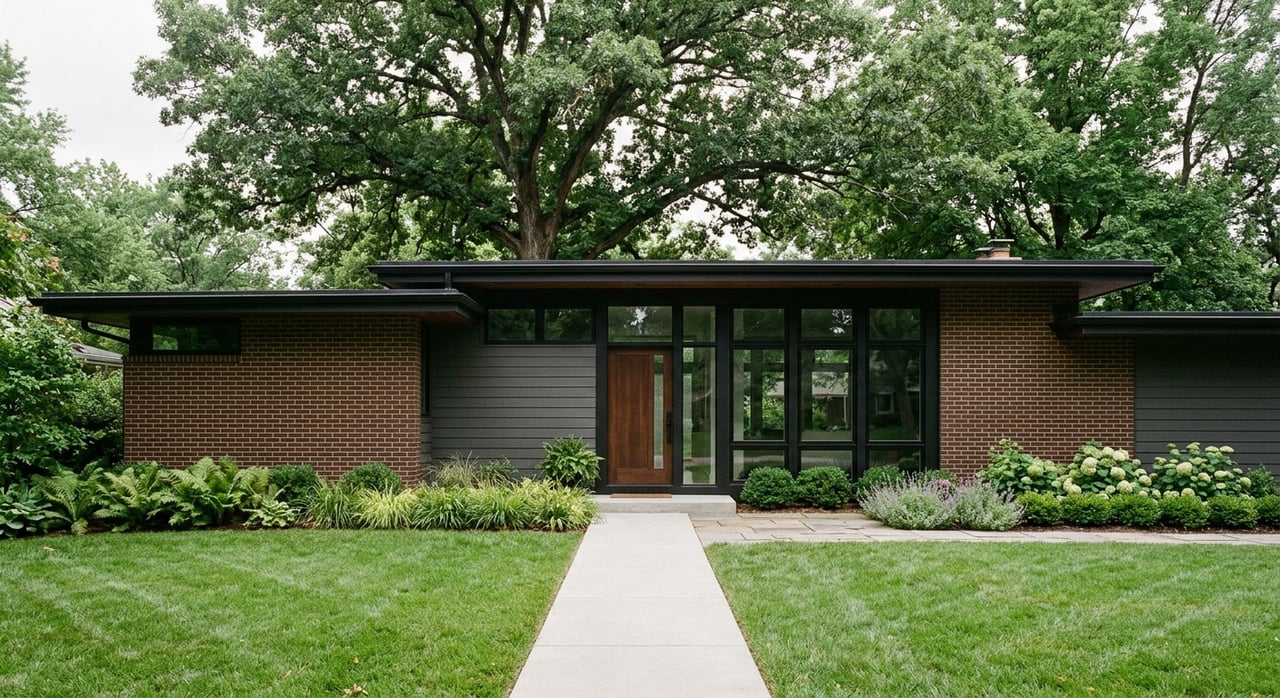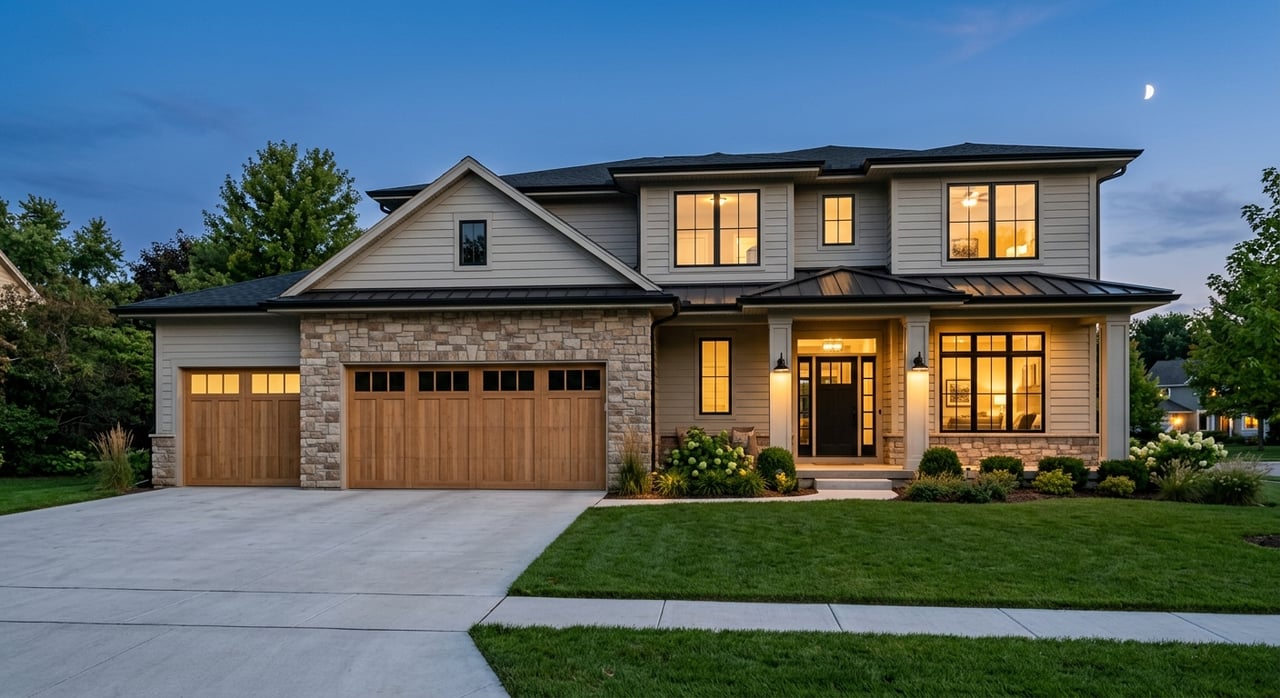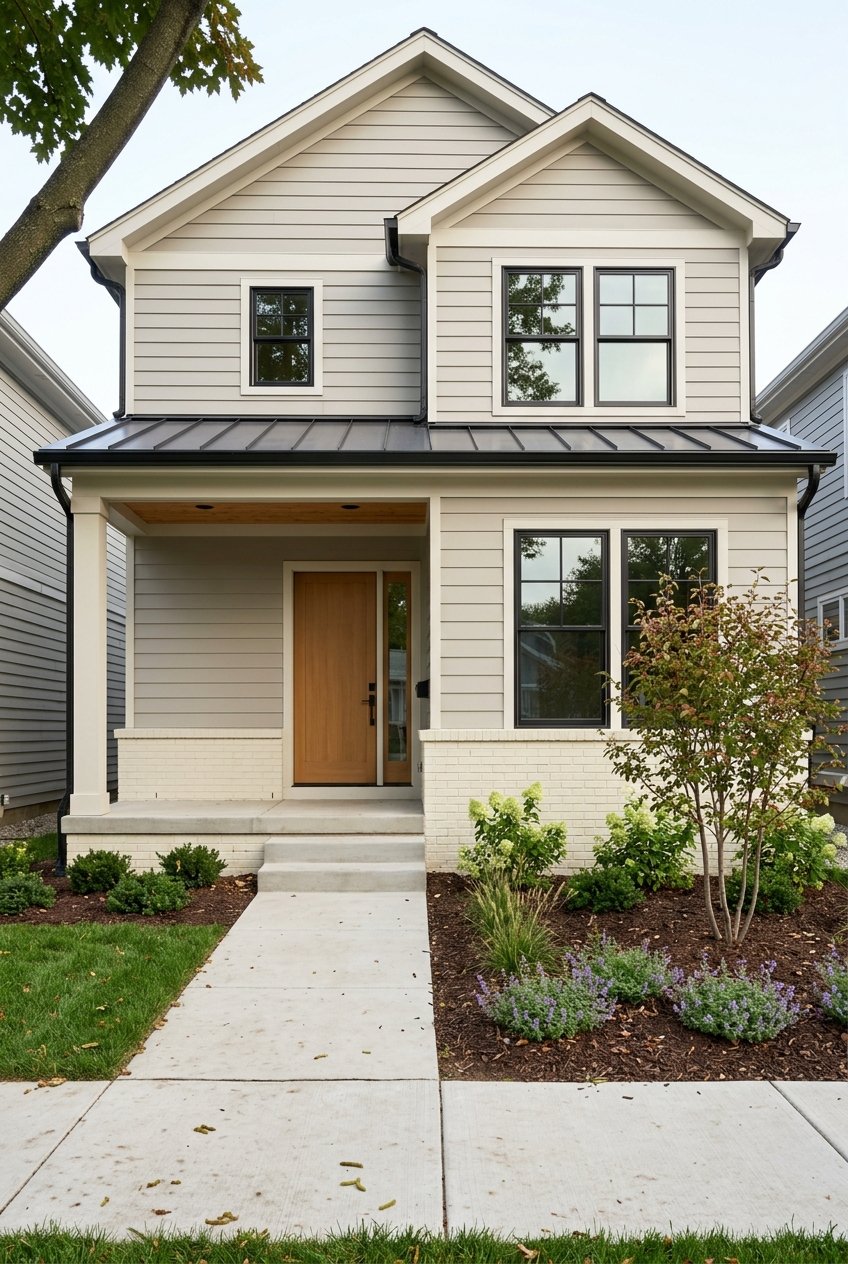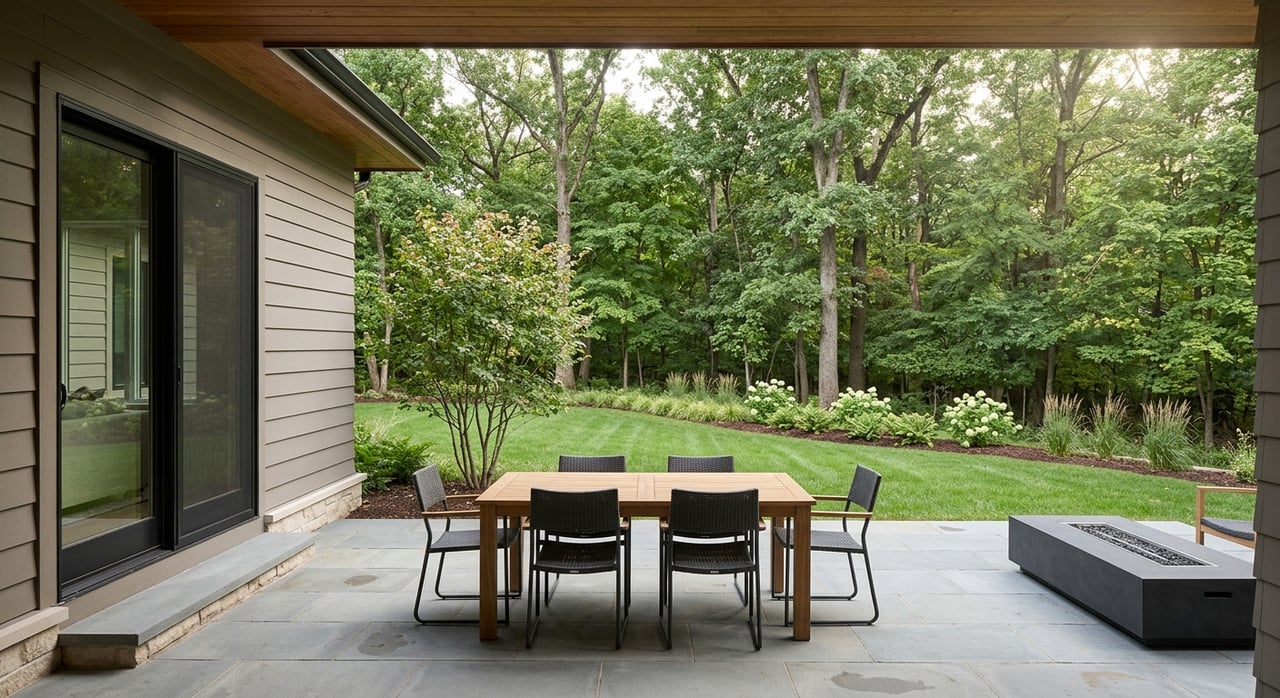
Wondering how to get your Hickory Hill-area home market-ready without stripping away the very setting buyers will love? If your property backs to trees, borrows a wooded view, or sits near one of Iowa City’s most distinctive natural areas, the goal is not to make it look less natural. It is to make the home feel more intentional, more polished, and easier for buyers to picture as their own. Let’s dive in.
Why the Hickory Hill setting matters
Homes near Hickory Hill Park benefit from something hard to recreate anywhere else in Iowa City: a layered, wooded backdrop tied to a well-known natural area. The City of Iowa City identifies Hickory Hill Park at 800 Conklin Street as a natural-area park with trails, open space, benches, a picnic shelter, and a protected natural character.
The city’s master plan describes Hickory Hill as a unique 185-acre site in northeastern Iowa City that preserves a sense of wilderness. It also notes that the area has become more wooded over time and that invasive-species management remains an ongoing challenge. That matters for sellers because buyers often read this kind of setting as peaceful, shaded, and private, but only when the foreground feels cared for.
Iowa City also emphasizes how central open space is to daily life. The city says it has more than 60 parks, trails, and natural areas, and that 99.4% of residents live within half a mile of open space. For a home near Hickory Hill, that means your lot is not the whole story. Buyers are also reacting to the landscape beyond your property line.
Preserve the view, don’t compete with it
If your home has a park-facing yard, mature trees nearby, or borrowed canopy from adjacent open space, your best move is usually restraint. A USDA Forest Service meta-analysis found that tree cover is associated with home values and that off-property tree cover can have an even larger positive effect than trees a homeowner must maintain.
In plain terms, the view is already doing some of the work for you. You do not need to build a bigger landscape to impress buyers. You need to edit what is closest to the house so the natural setting reads as an amenity, not a maintenance project.
That is especially true in a balanced market. In March 2026, Realtor.com described Iowa City as a balanced market with a median listing price of $334,900, 541 homes for sale, and a median 50 days on market. Zillow reported an average Iowa City home value of $301,504 and homes going pending in around 17 days. The exact numbers vary by platform, but the message is the same: presentation still matters.
Start with safety and sightlines
Before you refresh anything decorative, handle the basics that buyers notice right away. Overgrown limbs, dead branches, blocked sidewalks, and vegetation crowding the street edge can make a well-located home feel neglected.
Iowa City’s Parks & Forestry FAQs say private trees are the homeowner’s responsibility, while city trees in the right-of-way are maintained by the city at no cost to the adjacent owner. The city also requires 9 feet of clearance above public sidewalks and 13.5 feet over streets and alleys. Branches also cannot block street lights, traffic signs, or intersection views.
The city’s nuisance guidance adds another reason to act early. Dead, diseased, damaged, or obstructive trees and overgrown vegetation can trigger enforcement, especially if they obstruct public ways or include dead material on private property. If you are preparing to list, this should happen before photography and before the first showing.
What to prune first
- Dead or diseased limbs
- Branches touching the roof or crowding windows
- Growth blocking sidewalks or drive edges
- Limbs interfering with street visibility
- Vegetation that hides the front entry
The goal is not to thin everything out. The goal is to create cleaner lines, better light, and a more welcoming first impression.
Keep landscaping simple near the house
For Hickory Hill-adjacent homes, less is often more. Iowa State Extension recommends a right plant, right place approach and notes that even native plants must match actual site conditions. In urban and suburban settings, some species can grow taller, looser, or more aggressively than homeowners expect.
That is why low-profile planting usually works best close to the home. Taller material should sit farther from key windows and primary sightlines so buyers can appreciate the wooded backdrop instead of looking into a visual wall of plant mass.
Iowa City’s own park and climate work supports this kind of restraint. The city highlights the value of trees for shade, appearance, windbreaks, runoff, and habitat, and park projects have included native shrub buffers, prairie plantings, and perennial design. A simple, regionally appropriate planting palette feels more authentic here than something overly formal or crowded.
Good landscape moves for this setting
- Narrow and clean up foundation beds
- Refresh mulch and define bed edges
- Use clump-forming plants where possible
- Pull taller plantings away from windows
- Remove anything that looks sprawling or hard to control
Because Hickory Hill Park is actively managed for invasive species, messy or fast-spreading plantings can send the wrong signal. Buyers should see a landscape that feels intentional and manageable.
Use grasses and texture wisely
If you want to soften the exterior without closing off the view, ornamental grasses can be a smart option. Iowa State Extension describes ornamental grasses as low-maintenance, long-lasting, and visually useful across multiple seasons.
The extension identifies native options such as little bluestem, switchgrass, side-oats grama, and Pennsylvania sedge. These can add movement and texture without creating a heavy screen, especially when they are used in moderation and matched to the site.
The key is scale. A few well-placed, lower-profile groupings can make a front walk or side yard feel finished. Too many tall grasses near main windows can make the home feel hidden.
Stage the rooms that frame the view
Outside matters, but interior staging is where the setting starts to pay off. The National Association of REALTORS’ 2025 staging report found that 83% of buyers’ agents believe staging makes it easier for buyers to visualize a property as their future home.
That report also identifies the living room, primary bedroom, and kitchen as the most important rooms to stage. In a Hickory Hill-area home, those rooms should direct attention toward the trees, light, and sense of calm outside. The view is part of the product.
Simple staging choices that help
- Clean every window thoroughly
- Use lighter, simpler window treatments
- Lower the height and visual weight of furniture near windows
- Reduce tabletop and shelf clutter
- Keep sightlines open from main seating areas
When buyers walk in, they should feel the relationship between house and landscape right away. If the furniture blocks that experience, you are making the home work harder than it needs to.
Make the exterior edge feel crisp
Buyers do not just evaluate the house and backyard. They notice the transition from street to front door, including pathways, lighting, porch condition, and planting edges.
NAR’s curb-appeal guidance includes landscaping, pathways, and outdoor lighting as part of exterior presentation. For a wooded setting, the best version of curb appeal is not flashy. It is calm, neat, and clearly maintained.
That often means spending time on the perimeter. Straighten the walk to the entry visually, trim back any plantings that crowd the front steps, and make sure the approach feels easy to understand. In a natural setting, this kind of order creates useful contrast.
Light the home, not the whole yard
Outdoor lighting should support the home’s presentation without overpowering the setting. The National Park Service recommends recessed or fully shielded fixtures that direct light downward and avoid glare. The U.S. Department of Energy also recommends fixtures that use covers, reflectors, or deflectors to improve efficiency and reduce light pollution.
For your listing, that translates into modest, warm lighting at the front entry, along key walking surfaces, and near architectural features worth highlighting. You do not need flood-style brightness. Too much glare can flatten the nighttime feel of a wooded property and create harsh photos.
Better lighting choices before listing
- Replace mismatched bulbs
- Choose warm, even light color
- Aim fixtures downward
- Highlight the front door and path
- Avoid bright glare near windows
A softer lighting plan helps the home feel refined while still respecting the evening atmosphere that makes this location appealing.
Follow a smart prep sequence
If you try to tackle everything at once, it is easy to waste money in the wrong places. For most Hickory Hill-area homes, the smartest sequence is practical and design-led.
A seller checklist for Hickory Hill homes
- Prune for safety and clear sightlines.
- Remove dead, diseased, or obstructive material.
- Tighten the planting palette near the house.
- Refresh mulch, edges, and the front approach.
- Soften and simplify exterior lighting.
- Stage interior rooms to frame the best views.
- Photograph the home when the landscape looks calm and intentional.
This approach aligns with what the City of Iowa City reinforces about trees and landscape value. Trees contribute to neighborhood appearance, shade, windbreaks, and energy savings. In other words, your objective is refinement, not removal.
Why design-first prep pays off
In a setting like Hickory Hill, buyers are often responding to feel as much as square footage. They notice filtered light, mature canopy, privacy, and how the home sits within its surroundings. If the property feels overgrown, dark, or visually busy, they may miss the value that is already there.
That is why thoughtful pre-listing design matters. The right edits can make a home feel more expensive, more peaceful, and easier to maintain, without changing its core character. In many cases, the best strategy is simply helping buyers see the home and the setting in the clearest possible way.
If you are preparing to sell near Hickory Hill, a tailored plan can help you protect what makes the property special while presenting it at a higher level. For design-forward prep, strategic staging, and market positioning in Iowa City and Johnson County, connect with Adam Pretorius.
FAQs
How should you prepare a Hickory Hill-area yard before listing your home?
- Focus first on pruning for safety, removing dead or diseased material, clearing sidewalks and sightlines, and simplifying plantings near the house so the wooded setting feels intentional.
What landscaping works best for homes near Hickory Hill Park in Iowa City?
- Low-profile, manageable planting near the home usually works best, with taller material placed away from windows and main views so the natural backdrop stays visible.
Should you remove mature trees to sell a home near Hickory Hill?
- Not usually. The stronger strategy is typically to refine the foreground and address maintenance issues, since tree cover and borrowed canopy can add appeal when the property feels well cared for.
Which rooms matter most when staging a Hickory Hill home for sale?
- The living room, primary bedroom, and kitchen are especially important because staging those spaces well helps buyers connect the home’s interior with its best outdoor views.
What tree and vegetation rules matter for home sellers in Iowa City?
- Private trees are the homeowner’s responsibility, and the city requires clearance above sidewalks and streets while prohibiting branches and vegetation from blocking public visibility or access.
How can outdoor lighting improve a wooded Iowa City listing?
- Use modest, warm, downward-directed lighting to make the entry and pathways feel welcoming without creating harsh glare or overpowering the home’s natural setting.