Apparently, one thing Democrats and Republicans can agree on after a bruising midterm election is that America takes entirely too long to build things.
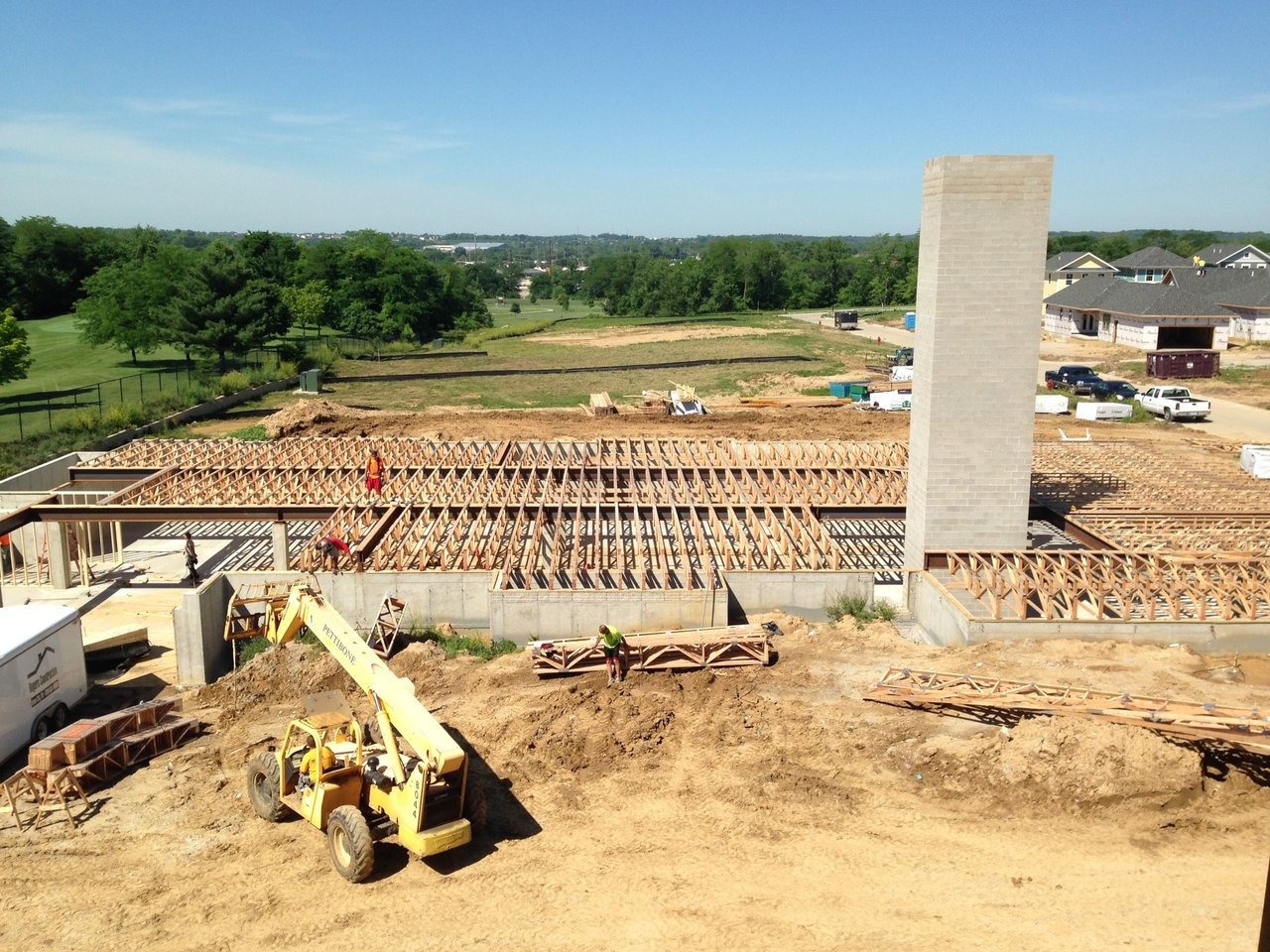
That matters because construction has become painfully WAAAAY too expensive. Between January 2020 and December 2025, the cost of material inputs for new residential construction climbed almost 50%. In much of the post-recession 2010s, the economic conversation centered on stimulating DEMAND. Today, we face a different constraint: SUPPLY. America is undersupplied.
Turns out the U.S. economy is undersupplied of housing, energy and infrastructure needs—you know, all the things necessary to build more homes and neighborhoods. We need more housing, more electrical generation, more transmission lines and more of the roads, water systems and infrastructure required to support growing communities. We have no shortage of things that need to be built. We have a shortage of the capacity—and sometimes the patience—to build them. So, Congress is beginning to confront that problem.
Earlier this year, the ROAD to Housing Act became law. It includes measures intended to encourage housing production, streamline certain reviews and make it easier to finance and preserve a wider range of homes.
Now comes the Bipartisan American Affordability and Jobs Act. The Senate passed it late November by a 62–33 vote, sending it to the House for consideration.
So what’s in it? Well, it starts with eliminating red tape in an effort to speed up time. The legislation tackles the federal permitting process for major energy and infrastructure projects. It would place tighter boundaries around environmental reviews and lawsuits, give developers greater certainty that issued permits will remain valid and accelerate decisions involving transmission lines, power plants, pipelines and other large projects.
So what does any of this have to do with housing? More than you might think.
A home does not exist independently of everything around it. New neighborhoods require electrical capacity, roads, water, sewer systems, stormwater management and, eventually, schools and public services. When one of those pieces takes years to approve, the entire project can stall.
And every month of delay costs money! Developers continue paying interest, insurance, taxes, consultants and contractors while nothing useful emerges from the ground. Those expenses eventually appear in the checkout line—the price of the finished home. Former Commerce Secretary Gina Raimondo put it bluntly, “You want the prices of housing and manufacturing to go down, then you have to shrink the time.” She’s right. Time is not just money in construction. Time is a spectacular amount of money.
Still, this bill is not a magic wand for housing affordability. It will not rewrite local zoning codes, produce more skilled tradespeople, lower mortgage rates or make lumber and land inexpensive again. Critics also warn that faster approvals could weaken environmental safeguards, limit judicial review and leave affected communities with less influence over major projects.
That tension deserves serious attention. Speed is valuable, but not when the hidden cost is simply handed to somebody downstream—occasionally quite literally.
What I found interesting and the larger point is that Washington appears to be recognizing a fundamental economic problem: America cannot subsidize its way out of scarcity. Helping people afford homes matters, but pumping more money into a market that cannot produce enough homes only intensifies the competition for what already exists.
Eventually, affordability requires supply. And SUPPLY requires actually building things. That may not be the catchiest bipartisan slogan ever devised, but after years of delays, shortages and ballooning costs, it is a promising place to start!!