You bought a house in 2019. Maybe you liked it. Maybe you never entered to live there forever. It had three bedrooms when eventually you’d prefer four. The kitchen wasn’t perfect. There was no mudroom. The deck was approximately large enough for one grill and three folding chairs.
No problem, you said at the time, you’ll move someday. Then you refinanced at 3%. Congratulations—you may have accidentally purchased your forever home!
For millions of owners like me, it has meant moving today isn’t merely paying more for the next house. It means we’re abandoning one off the most valuable pieces of our finances: cheap long-term debt.

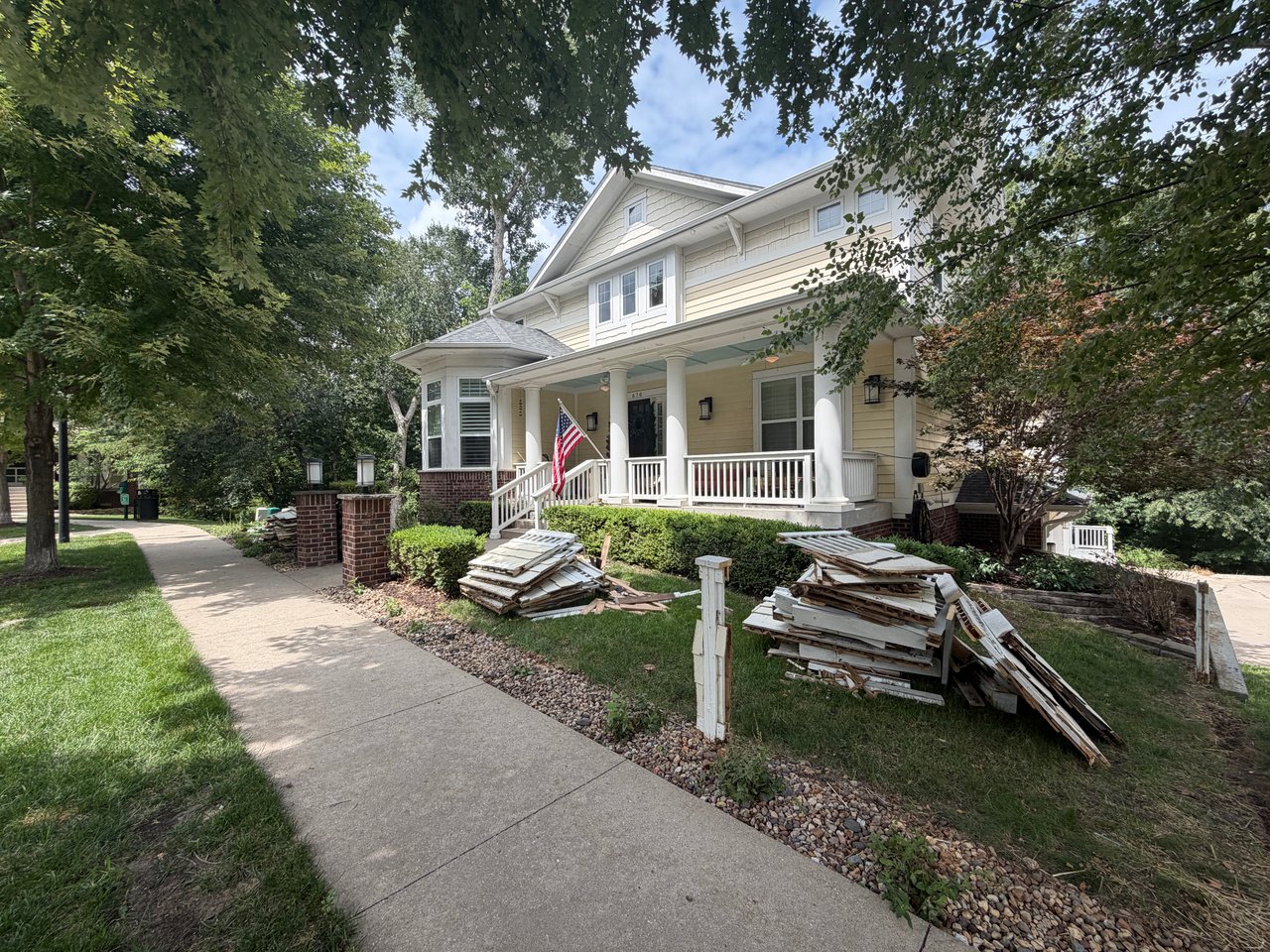
📸: My house where I have lived since 2010, refinanced at 3% in 2023.
In my mid-40s, I’m young enough to start another 30-year mortgage but old enough to appreciate I have a mortgage nearly paid off…and at a likely never-to-occur-again rate. Cheap long-term debt has changed the question from “where should we move?” To “can we make this house become the house we need?"
What annoys you every day? What doesn’t function anymore? What did the original builder never anticipate?
Start with the obvious friction points. Kitchens and bathrooms tend to betray a home’s age fastest, which explains why they’re perennial remodeling favorites. We already tackled our kitchen, and yes—it changed the house. But some of the improvements that changed how we live weren’t nearly as glamorous.
Then there’s the mudroom. We never had one until our first child, when we realized older houses often go from garage to kitchen, garage to hallway, or front door directly into the living room. Today’s house needs a transition zone: shoes, backpacks, Amazon boxes (my wife), dog leashes, coats, keys, children’s crap…
Our house has three bedrooms. We're adding a fourth. Obviously, we need the room now—but there's a real-estate argument for it too. At our home's price point, buyers generally expect more bedrooms. Going from three to four doesn't simply add square footage; it changes the category of house we're eventually selling.
The pandemic also reminded us how valuable an extra room can be. Office today, nursery tomorrow, exercise room, guest room—or simply another bedroom. 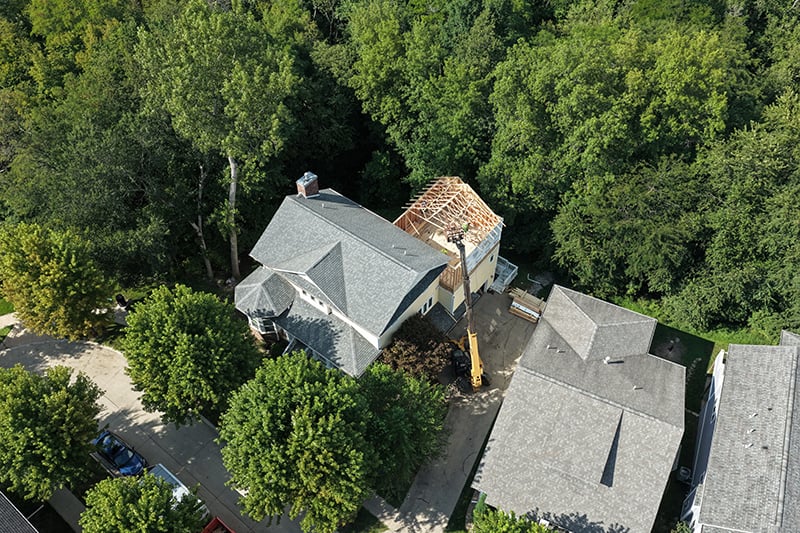
📸: A remodel and addition going on to expand our three-bedroom into a four-bedroom home.
And finally, the yard. Remodeling the yard might sound funny, but it can be a major value proposition for today’s buyer. Too often homeowners treat it as leftover space. PSA: stop doing that.
You have a house, a small concrete patio, contractor sod and, if you’re lucky, two arborvitae. Fin.
Instead, think of outdoor space as having rooms too. I remind clients to treat the yard like another living area—decide how to lay it out, decorate it and furnish it just as you would a room inside. Covered porches, dining areas, fire pits, gardens, lighting, paths, privacy, pools…even astroturf where appropriate.
And you don’t need a six-figure pool project to improve the architecture of your property. Spend a few hundred dollars and one weekend day planting a tree. Or two. Or three. Or four! Nothing is sadder than a contractor yard with no shade. Every year you skip planting is another year that tree could have been growing, and mature landscaping has a way of making an entire property feel more established.
But before you buy the marble…your house may need something much less instagrammable. The problem is that the median U.S. house isn’t new. It’s old. I know, I keep talking about America’s aging housing stock, but this is a bigger story than most people realize. Once homes get into that lifecycle, remodeling dollars increasingly migrate from discretionary improvements toward replacement and maintenance. Harvard research has noted that spending increases as homes age because major systems and components eventually reach the end of their useful lives.
So before you spend $80,000 moving your kitchen island six feet…ask yourself: how old is your roof, HVAC, electrical panel, plumbing, windows, insulation, water heater, siding, plumbing and building-envelope work? Because when walls are open, that’s the moment! Heat pump, better insulation, air sealing, electrical upgrades, and improved ventilation are all buzz words but exactly items I am doing to my house…as we do our remodel and addition.
There are really two remodels happening at once. The one you can see—and the one behind the walls! The best remodel doesn’t merely make an old house look new. It makes an old house perform more like a new one!
If you’re considering a remodel of your own, here’s My Remodel Hierarchy:
- Protect: roof, water intrusion, drainage, structure.
- Modernize: electrical, plumbing, HVAC, insulation, ventilation.
- Improve Function: bedrooms, mudroom, laundry, kitchen layout, storage, bathrooms.
- Expand Living: decks, patio, gardens, finished basement, additions.
- Beautify: cabinetry, flooring, lighting, hardware, millwork, furnishings.
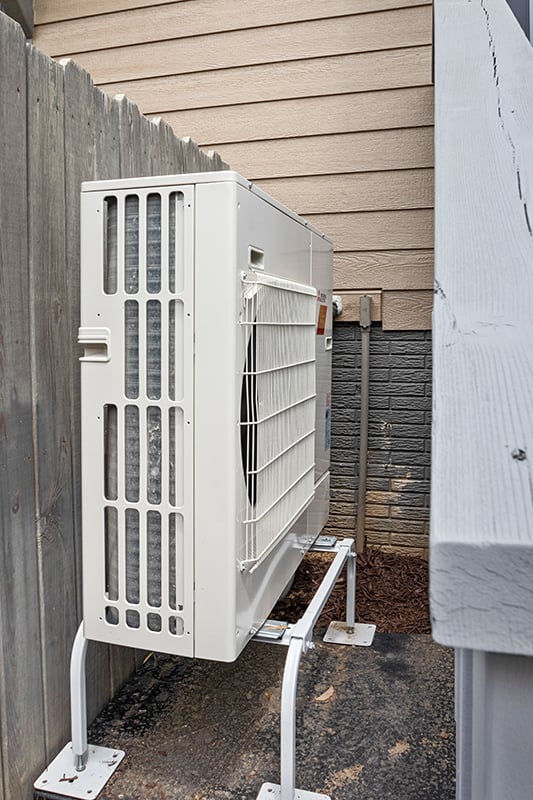
📷: I have been upgrading the HVAC on my properties to a heat pump, replacing inefficient HVAC systems with state-of-the-art airflow.
You’re reading this thinking, “Adam your cruel, how will I pay for all this?” I get it, that’s the careful balancing act most homeowners face when deciding whether to remodel—or move. I had to tackle the same question myself, and after doing the research, the answer depends largely on the scope of the project.
- The $5K-$25K project: cash, promotional credit card (when appropriate), personal loan.
- The $25K-$100K project: HELOC, home-equity loan, revolving credit line.
- The $100K+ transformation: HELOC, fixed second mortgage, construction/renovation financing, potentially cash-out refinance (but be very careful because this destroys the ultra-low first mortgage).
For us, we’re funding construction with a revolving credit line and then plan to refinance the remaining balance into a fixed second mortgage once the project is finished. Yep, we’ve made the financing slightly complicated on purpose—using different tools for liquidity, rewards and long-term financing while protecting our existing low-rate first mortgage.
Where vendors accept a credit card without a fee that wipes out the benefit, we’re using a rewards card and paying it off with our revolving line rather than carrying credit-card debt. Once construction is complete, the plan is to refinance the remaining balance into a fixed second mortgage while leaving our original mortgage alone. Do not misread this as ‘finance your remodel on a credit card.’ Please don’t do that! I’m collecting rewards, not 24% interest.
The larger point is this: your 3% mortgage is an asset. The very thing causing many Americans to remodel rather than move also affects how they should finance the remodel. I’m not moving because I don’t want to give up my low-rate mortgage. So I certainly don’t want to accidentally give it up just to remodel the house.
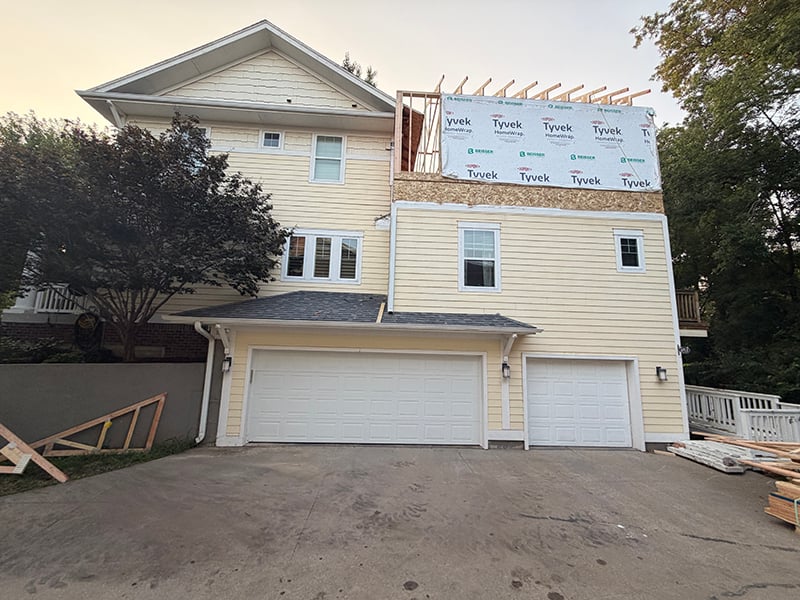
📷: the addition is located over our accessory-dwelling unit (ADU) connecting the existing upstairs bedrooms.
By now you’re curious, what exactly are we doing on our project? We’re adding another bedroom, adding another bathroom, creating a proper laundry room, updating the primary bathroom, increasing our electrical capacity, adding a heat pump, dealing with fire-separation and code issues, and improving the architecture and finishes while everything is torn apart. We already updated the kitchen, added a mudroom and finished the lower level. In other words, we are dug pretty deeply into our “forever” home.
None of this means every house should become your forever house. Renovations can become financially irrational remarkably quickly, and not every dollar spent comes back at resale. Before committing to a major project, I would still ask what the finished house will be worth, whether the neighborhood supports the investment, and whether you’re improving the house—or fighting against it.
America has spent decades thinking about housing primarily in terms of building and buying. Perhaps the next era is something else: rebuilding what we already have. After all, we already have millions of houses in good locations, with mature neighborhoods, established trees, schools infrastructure—and increasingly, owners sitting on enormous amounts of equity and very inexpensive mortgages.
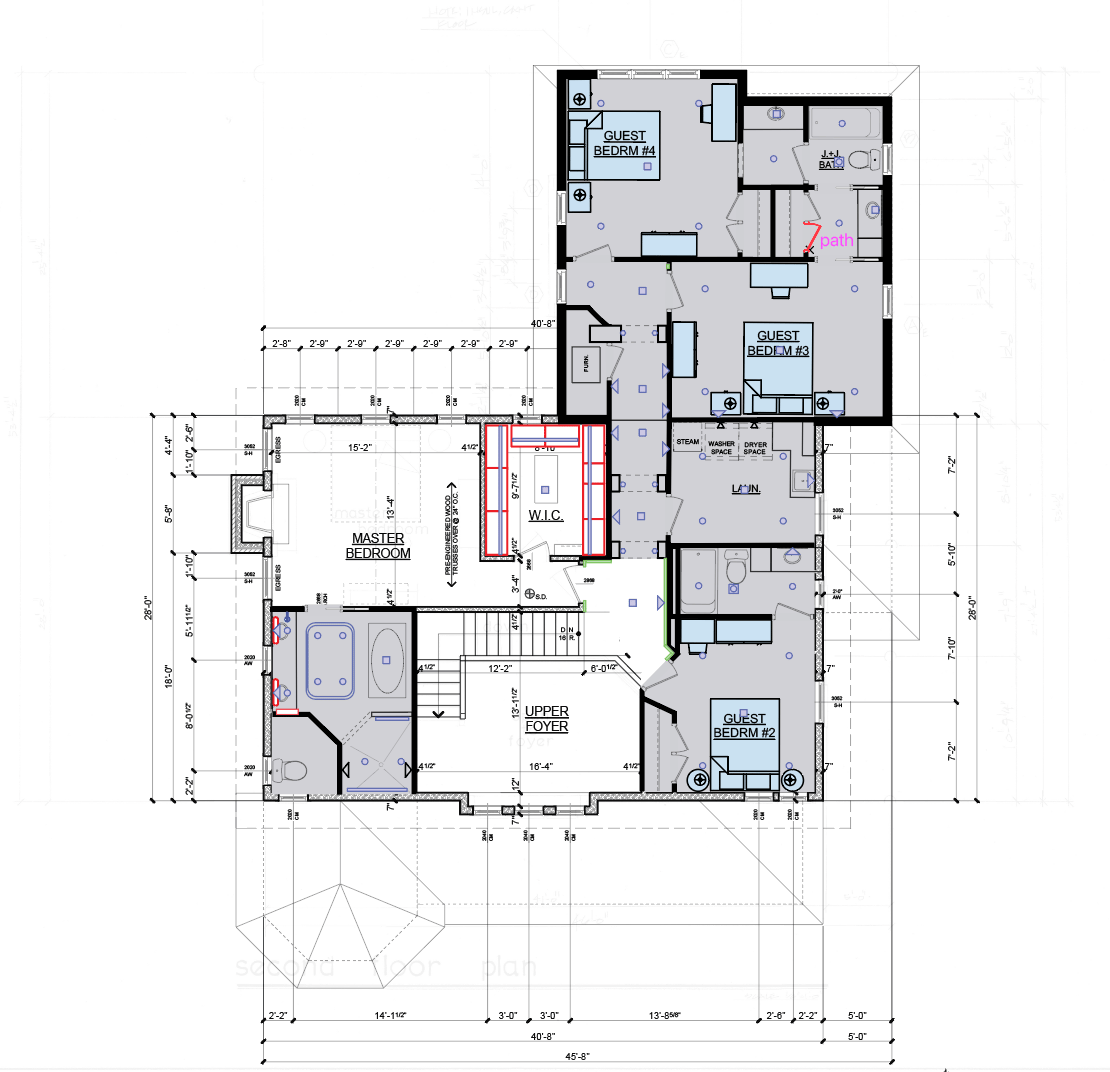
📷: Our remodel areas are highlighted in grey.
We don’t need to necessarily replace houses but many of them really do need to change. So if you’re like me—adding a bedroom, creating a mudroom, remodeling a kitchen, updating electrical and tackling everything else that comes with an aging house—perhaps your next house may already be the one you’re living in. You just haven’t built it yet.