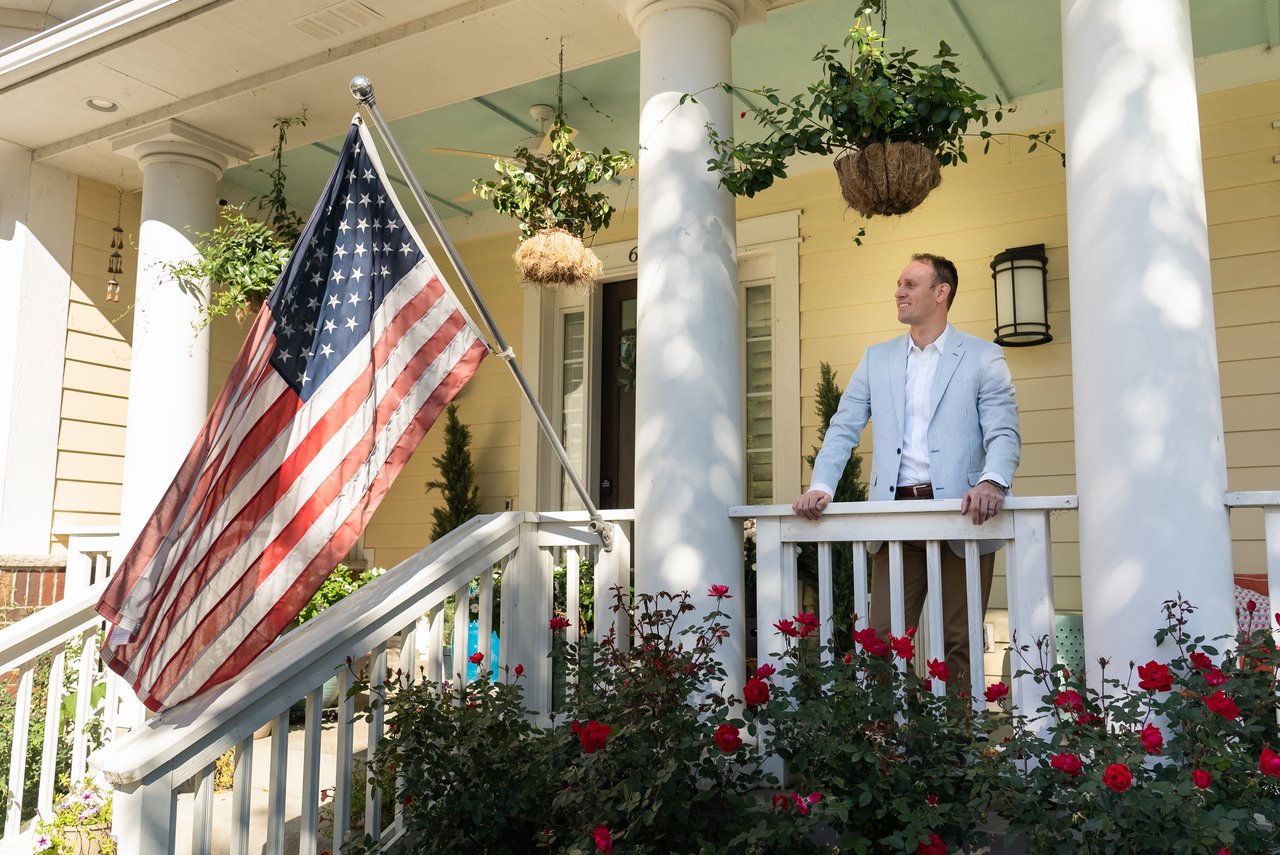
Last month, I found myself reflecting on our nation’s 250th birthday—and on the role that property ownership has played in the American story.
Early settlers, immigrants, and the nation’s founders came to America for many different reasons: religious freedom, economic opportunity, political independence, and the possibility of controlling their own futures. That is, admittedly, a simplified version of a much more complicated history. But the desire to own something—to have a home, land, or a stake in the country being built—became one of the defining characteristics of the American Dream. Strikingly different than the serfdom of their native countries.
As I reflect on what that dream has meant over the past 250 years, I also wonder what it will become during the next 250.
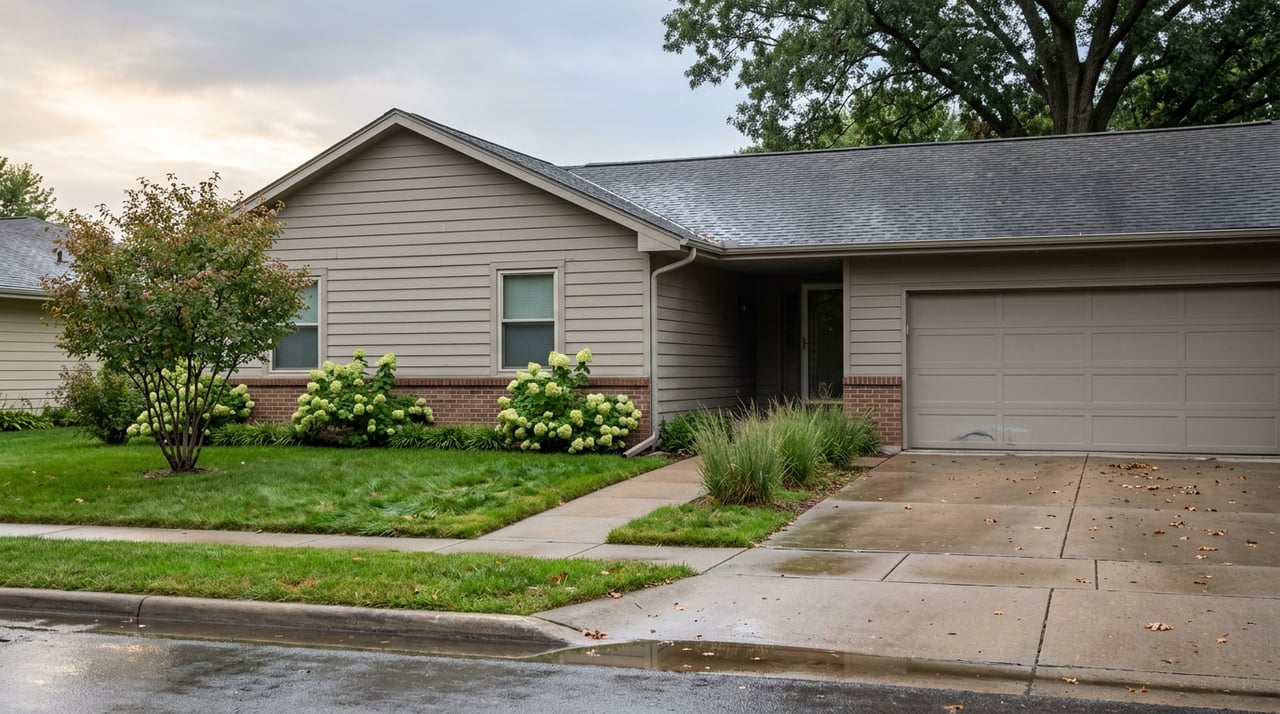
For decades, we have conflated homeownership with a very particular image: a detached suburban house on a quarter-acre lot, complete with a fence, a lawn, and perhaps a dog running around the backyard. Or so this is what comes to my mind as I first think of the “American Dream”. But that house was never the American Dream itself. It was simply the twentieth-century expression of it.
Today, home prices are higher, buyers are older, and affordability is strained. The median first-time buyer is now around age 40—yes, officially over the hill (like me). First-time buyers represent a historically small share of purchases, and affordability remains near multi-decade lows. It is a very different housing market from the one previous generations experienced.
As a result, I have noticed there has been no shortage of recent articles asking the same question, “is the American Dream disappearing?"
Many people assume younger generations simply do not want to own homes anymore. I am not convinced—and neither is the evidence.
Most surveys continue to show that Americans overwhelmingly consider homeownership part of the American Dream, even as affordability forces them to delay it. Younger buyers have not stopped wanting ownership. They still want stability, equity, permanence, and a place they can truly call their own. The dream remains.
America is not the only country where most people own their homes. In fact, homeownership remains common across much of Europe as well (apart from Germany—where ownership and rentals are flipped, a majority of Germans rent rather than own). What feels distinctly American is the cultural weight we place upon it. Here, owning a home has become more than a housing choice; it is treated as a milestone of adulthood, a foundation for building wealth, and visible proof that one has secured a piece of the American Dream. And for much of the past 75 years, we have attached that ideal to one particular type of property: the detached single-family home in the suburbs.
But the nuts and bolts of that dream may look different.
Instead of asking, “Will Americans continue to own homes?” perhaps the better question is, “what kinds of homes will Americans own?"
For roughly the past 75 years, the dominant model has been the detached single-family home in a suburban community. That model created enormous opportunity and wealth for millions of American families, and it will continue to be desirable.
But it cannot be the only model.
The next major shift in American housing will likely be less about choosing between ownership and renting and more about expanding the types of homes available to own.
Townhouses, duplexes, condominiums, accessory dwelling units, and other forms of “missing-middle” housing will become increasingly important. These homes can use land more efficiently, reduce some construction and infrastructure costs, and provide a more attainable entry point into ownership.
They should not be viewed as lesser versions of the American Dream. They may be its next evolution.
Housing costs are unlikely to simply reset to what they were a generation ago. Too much household wealth is now tied to real estate, while the costs of land, labor, materials, infrastructure, and regulation remain high. Maintaining broad access to ownership will therefore require us to rethink not only the homes we build, but the communities surrounding them.
And that raises an even bigger question: what kinds of communities will we build during America’s next 250 years?
The pandemic reminded many of us how important community really is. We missed restaurants, parks, sidewalks, shops, public spaces, and even the casual interactions we once took for granted. We discovered that a house alone does not create a fulfilling life. People also need connection and a sense of belonging.
But that realization did not begin with the pandemic.
For more than 30 years, the New Urbanism movement has promoted walkable neighborhoods, mixed-use districts, connected streets, diverse housing types, public spaces, and traditional architectural design.
Ironically, many of these supposedly “new” ideas are among America’s oldest.
Look at the neighborhoods and towns built during the country’s earliest generations. Homes were closer together. Streets were walkable. Shops, workplaces, churches, schools, and public gathering places were woven into daily life. Neighborhoods included different housing types and people at different stages of life.
These communities were not perfect, but many of their basic design principles worked. They encouraged people to interact. They created economic and social diversity. They gave residents a reason to feel invested not only in their own property, but in the street, neighborhood, and town around it. New Urbanism is not so much about reinventing America as rediscovering some of the ways we once built it.
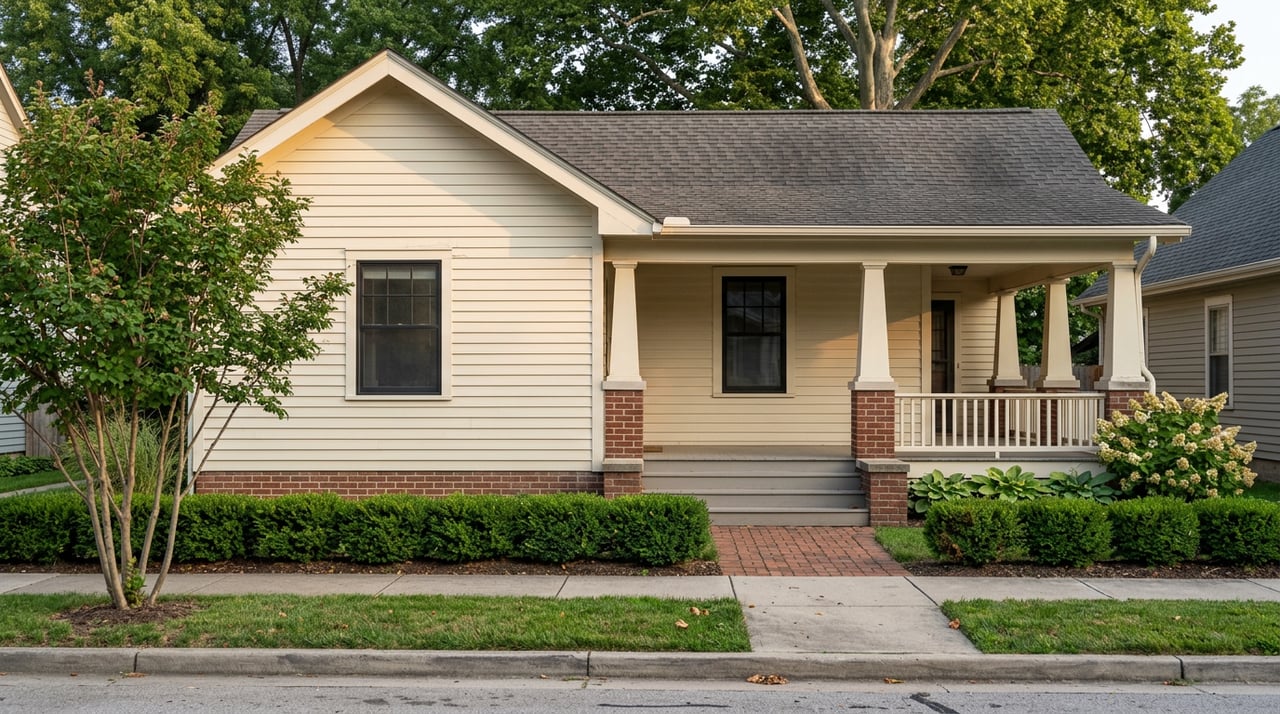
The future of the American Dream may therefore look surprisingly similar to its past: smaller homes, attached homes, walkable streets, front porches, neighborhood businesses, shared green spaces, and communities designed around people rather than only around automobiles.
Homeownership has never been important merely because Americans enjoy mowing lawns or replacing water heaters. Ownership gives people control over an asset. It allows them to build equity, establish roots, and participate in the long-term success of a place. It turns a residence into a stake in the community.
As America celebrates its 250th birthday, I do not believe the American Dream is disappearing. But I do believe we must stop assuming it can take only one form. If the next generation cannot afford yesterday’s version of the dream, our challenge is not to abandon it. Our challenge is to redesign it.
Over the next 250 years, the success of American housing may not be measured by how many detached houses we build on the edges of our cities. It may be measured by whether we create enough different paths for people to own a home—and whether those homes are part of communities where people genuinely belong.
Walkability. Mixed uses. Diverse housing. Pride in our neighborhoods and responsibility for the places we share.
What could be more American than that?