On August 31, 2026, a two-bedroom unit at 1 University Way sold for $575,000. Ten days earlier, a two-bedroom house four blocks away on Sunset Street closed at $345,000. Both sales sit inside University Heights, Iowa's most densely populated city and a place small enough to walk end to end in ten minutes. A buyer scanning both listings side by side could reasonably wonder whether one of them was overpriced.
Neither was. They're not competing for the same buyer, and they never will be, because University Heights only has one building capable of producing that first kind of sale.
A Single-Family Town With One Exception
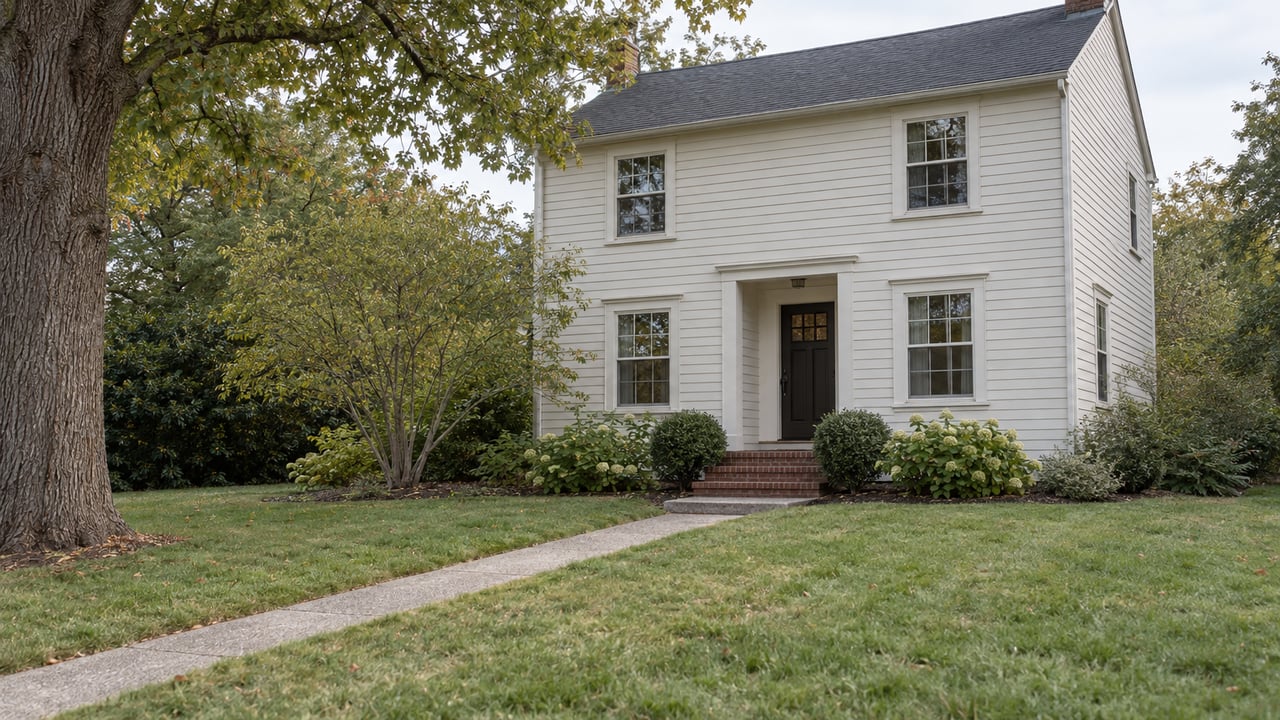
University Heights is a fully incorporated city that exists entirely inside Iowa City's borders, a few hundred yards from Kinnick Stadium. Its housing stock is overwhelmingly single-family homes built between the early 1900s and today, on a street grid that hasn't expanded in decades. Zoning here protects that pattern deliberately. The city's ordinance record shows one specific exception: Ordinance 180, which created a multi-family commercial zone tied to a single planned unit development. That ordinance exists for exactly one project. It is the legal basis for One University Place, and it has no counterpart anywhere else in the city's code.
Older multi-unit buildings do exist in town, developments like Benton Manor, Grandview Court, and Oakcrest Street show up regularly in sold listings, and they predate the current fight entirely. They're a separate category of housing, built under different circumstances, without retail space, concierge service, or the amenities that came with the newer project. Treating every "condo" listing in University Heights as interchangeable misses that distinction, and it's the first thing worth sorting out before comparing prices at all.
How the Only Zone Got Created
The town's resistance to density isn't incidental. University Heights incorporated in 1935 specifically to avoid being pulled into the Iowa City school district's tax base without a vote, a protection its residents fought to keep for decades afterward. One of its longest-serving mayors, Emery Rhodes, held office from 1986 to 1992 and was known for opposing development outright.
That posture held until 2009, when developer Jeff Maxwell proposed a large project on the site of a former church near the center of town. The zoning commission disapproved it. The city council disapproved it too. What happened next turned into the most contested municipal election cycle in the city's history: ten candidates ran for five council seats that fall, turnout hit a new record, and four of the five winners supported the development anyway. One of those council members resigned before taking office and was replaced by appointment. A resident petition then forced a special election in January 2011 between the pro-development appointee and a longtime resident opposed to the project. Four hundred ninety-five people voted, another record for the city.
The fight didn't end there, but the site did eventually get approved. Construction started years later, and the result is the only building in University Heights that pairs ground-floor retail with condominiums above it. The Gazette's own history of the city describes it as one of the only commercial districts University Heights has ever had.
What Actually Got Built
Architecture firm Neumann Monson designed the project in two phases. The first building, finished in the summer of 2016, put six commercial storefronts at street level with two floors of housing above and parking below. The second phase, a five-story condominium building completed the following year, added a larger residential component with a shared fitness room and community space, built with glass, brick, thermally modified wood siding, and metal composite panels. Total unit counts vary slightly between sources tracking the project, landing somewhere in the high seventies to low eighties for the second building alone, but the shape of the story doesn't change: this is a purpose-built, amenity-heavy condominium product that has no twin anywhere else in town.
That's also the building Adam Pretorius's own University Heights neighborhood page points to when it describes the area's newer luxury option, and it's worth understanding why that description still holds years after the ribbon cutting: nothing since has replicated it, and nothing structurally can.
Why There Won't Be a Phase Three
Every other parcel in University Heights remains zoned single-family. No second PUD has been created since Ordinance 180, and the city's more recent council business points in a different direction entirely. Minutes from the fall of 2025 show the council discussing financing options for the Melrose Avenue Complete Streets project and trail work on the Swisher tract, infrastructure spending, not new zoning votes.
Replicating One University Place would require another parcel large enough to support a mixed-use PUD, another zoning commission willing to approve it, and another council willing to survive the kind of election that came with the first one. Nothing on the city's current agenda suggests anyone is trying.
What This Means If You're Comparing Numbers
Once you separate the three categories, the recent sales make more sense. Vintage single-family homes in University Heights closed across a wide range this summer: 57 Olive Court sold for $350,000 in early July, 27 Prospect Place went for $408,000 in late August, and 60 Marietta Avenue, a larger three-bath home, brought $666,500 at the end of July. That spread reflects lot size, square footage, and condition across a housing stock that spans more than a century of construction, the same variables that drive price in any older neighborhood.
The condo at 1 University Way is a different calculation entirely. Its resale competition isn't the bungalow on Sunset Street or the house on Marietta. It's the other units inside the same building, a fixed pool that isn't expanding. If you buy into One University Place, you're buying into a specific, finite inventory with amenities the rest of the town doesn't offer and no risk of a competing new building diluting that position later. If you buy a vintage single-family home, you're buying into a market that behaves like any established neighborhood's does, priced against condition and space rather than scarcity of a building type.
Older condo stock like Grandview Court or Benton Manor sits in a third lane again, generally smaller units without the retail-anchored amenities of the newer project, and priced accordingly. Comparing a unit there to one at One University Place is its own separate conversation, distinct from comparing either to the single-family homes down the block.
A Few Questions Worth Asking Before You Compare
Are all condos in University Heights part of One University Place? No. Buildings like Benton Manor, Grandview Court, and units on Oakcrest Street predate the current project and operate as their own separate developments, without the ground-floor retail or concierge amenities that came with the newer building.
Could the city approve something like this again? Nothing in the city's zoning code currently allows for it outside the single PUD created for this project, and nothing in recent council activity suggests a second rezoning fight is underway. The city's public attention lately has gone toward street and trail infrastructure rather than new development approvals.
Does buying a vintage home here carry the same zoning protections that limited new condos? The same single-family zoning that kept a second PUD from being created also protects the character of the existing housing stock, which is part of why the neighborhood's older homes have held their architectural character across nine decades.
If you're weighing a century-old home against a unit inside University Heights' one commercial building, the math behind each choice runs on a different track. Adam Pretorius can walk you through what each side of that split actually costs to own, finance, and eventually resell. Request Your Home Valuation to start that conversation.