I noticed something the other day walking through a local garden center—I kept grabbing plants in even numbers. Two. Four. Six. It felt natural, balanced, safe. But then it hit me…why does “rounding up” always land on even numbers? That’s how we’re wired: even numbers feel complete, predictable.
But here’s a thought I had: three is supposed to be the magic number. So why not purchase in odd numbers?
Turns out, I’m on to something. Designers have known this forever: odd numbers—especially three—create better compositions. More movement, visual interest, and less “lined up” or planned (“rounded up”).
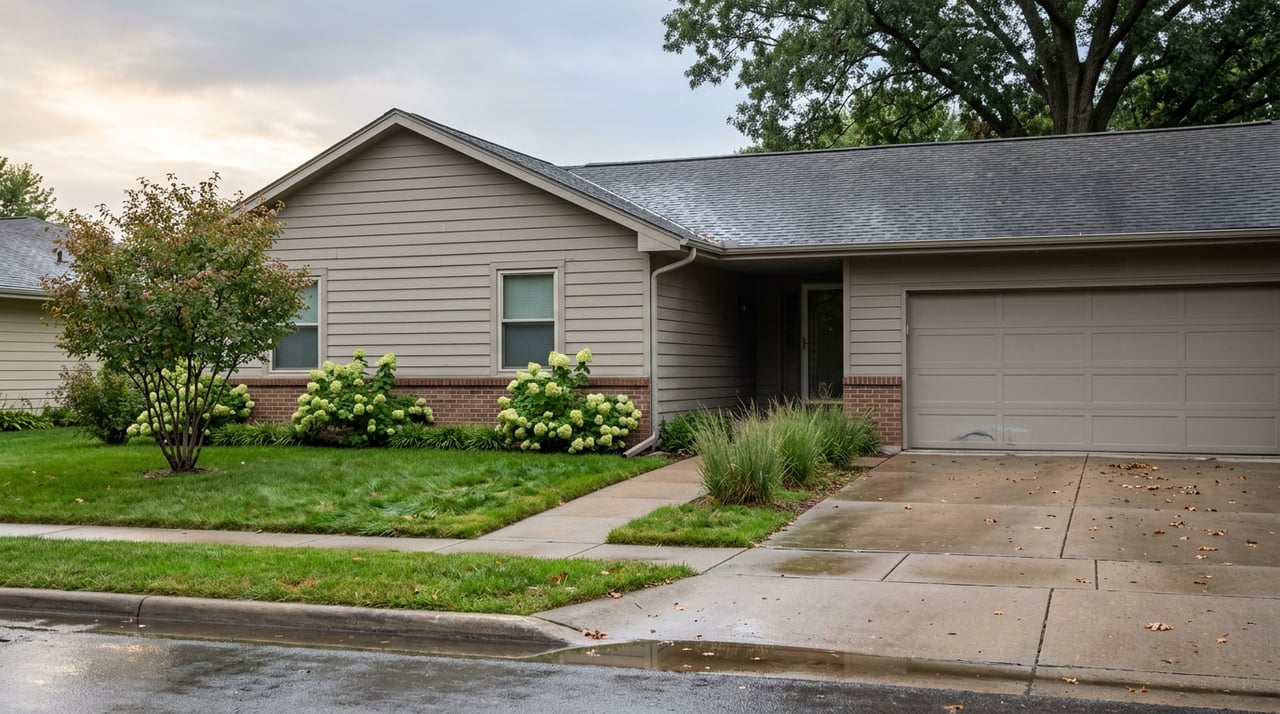
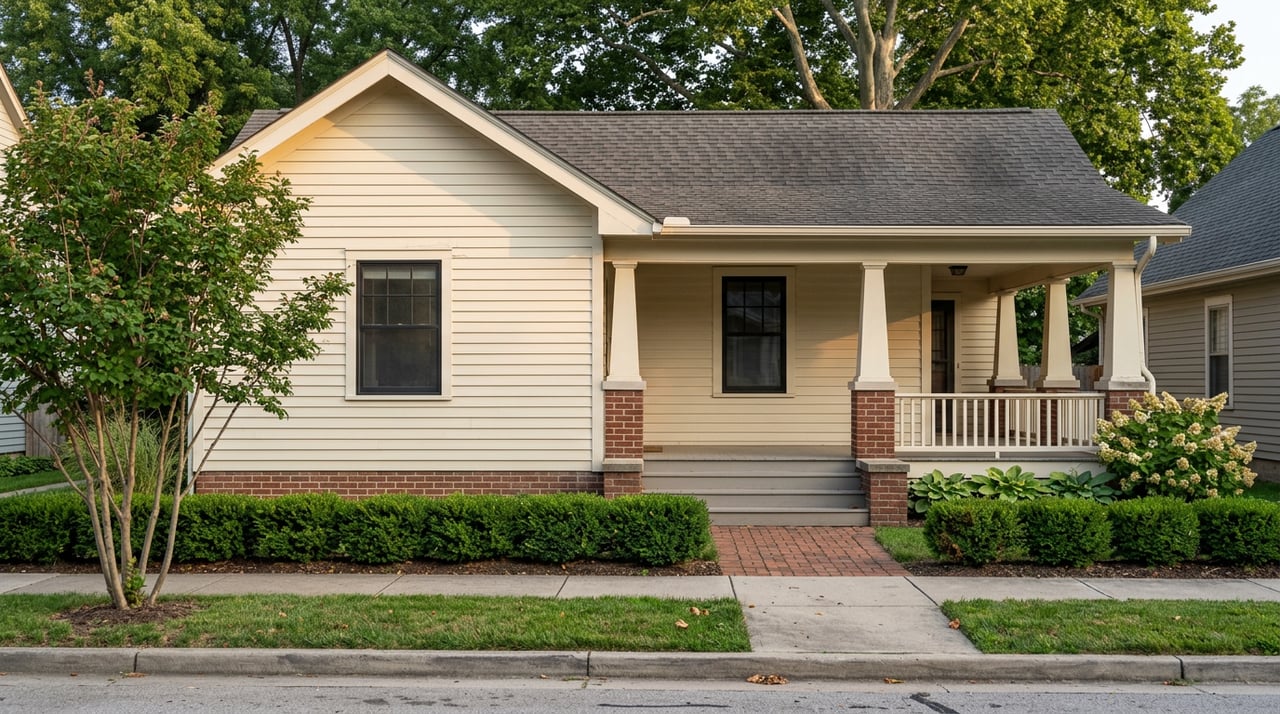
Planting in groups of three feels more organic, creates depth instead of symmetry, and avoids the “builder-basic” look. Two plants sit next to each other. Three plants create a relationship. Next time you’re at the garden center, don’t round to two. Instead, start considering odd numbers this spring—threes, fives, sevens.
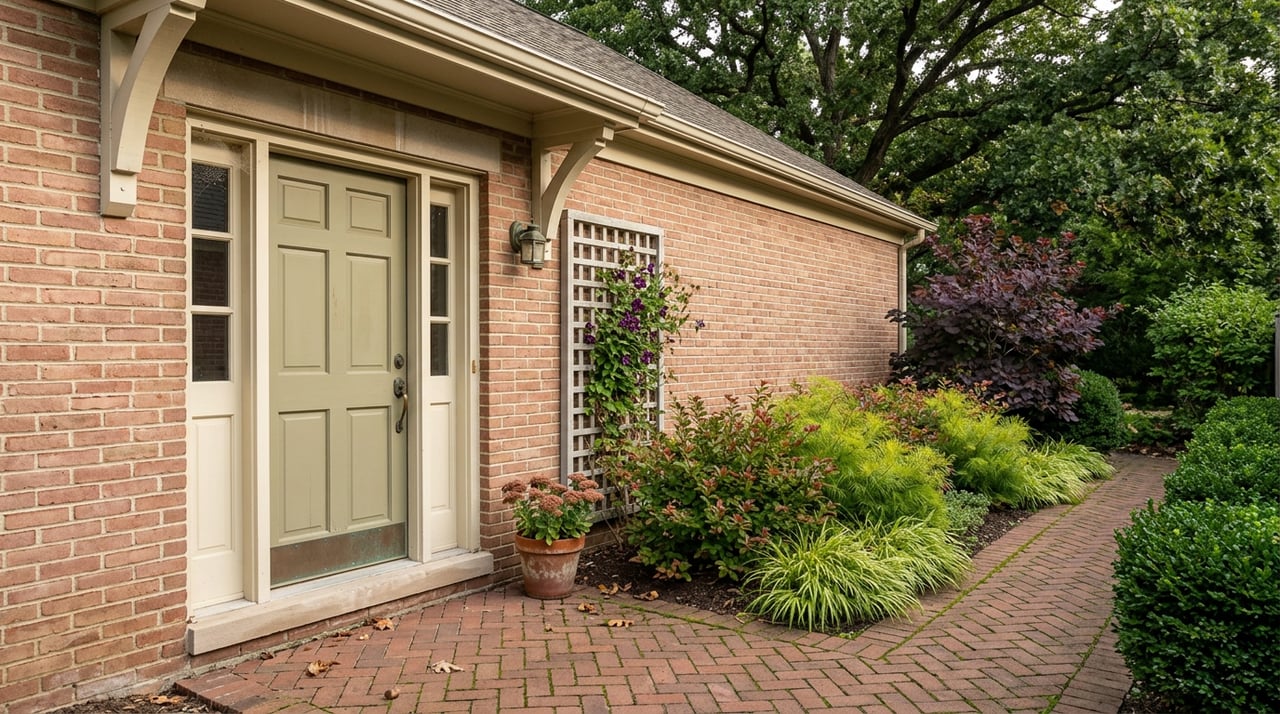
Then push it a step further and start thinking in LAYERS of three: three heights, three textures, three tones of green (or color). And guess what, suddenly your landscaping doesn’t look installed…it looks designed.