Love the character of Iowa City’s Historic Northside but unsure how to update it without delays or surprise costs? You are not alone. Buying a historic home takes a clear plan for inspections, permits, design choices, and budgeting. This guide shows you how to buy with confidence, respect the neighborhood’s heritage, and create a comfortable home that fits your life. Let’s dive in.
What makes Northside and Longfellow special
Historic Northside, often called Gilbert–Linn, includes homes from the 1860s through the 1930s with Queen Anne, Greek Revival, and other turn‑of‑the‑century styles. You will also find brick‑paved street segments, mature landscaping, and a mix of wood and masonry houses. The nearby Longfellow district grew in the early 1900s and is known for single‑family homes, early 20th‑century styles, and the distinctive Moffitt stone cottages. You can dig into design details and neighborhood context in the city’s Historic Preservation Handbook.
Know the rules before you write an offer
Iowa City designates Northside and Longfellow as local historic districts. Exterior changes often require review. Start by reading the city’s overview of Historic Preservation in Iowa City and the Historic Preservation Resources & Documents page for maps and guidance.
- Review triggers and approvals. The city issues a Certificate of Appropriateness (COA) for exterior work that changes the historic appearance, or a Certificate of No Material Effect (CNME) for work that does not. You can confirm definitions in the city code.
- Plan the timeline. The Historic Preservation Commission meets monthly, and routine COAs typically take 4 to 8 weeks to process when applications are complete. See the current HPC deadlines and schedule and build them into your offer and closing plan.
- Get staff guidance early. City preservation staff can help you understand what is administratively approved and what needs a hearing. Submitting clear drawings and photos helps avoid delays.
What you will find in these homes
You will see original wood siding and trim, wood windows with storms, carved porch details, decorative chimneys, stone or brick foundations, and layered alterations like enclosed porches. The city’s Historic Preservation Handbook explains which exterior elements are considered character defining. When you walk a home, note where those features are intact, altered, or missing. That will shape your scope and approvals.
Inspection priorities and key red flags
Focus your due diligence on structure, water management, and safety before finishes. Use inspectors who know older homes.
- Structure and foundation. Many Northside and Longfellow homes have stone or brick foundations. Look for settlement, bulging walls, and soft or cracked mortar. Repointing with the wrong mortar can damage brick. The National Park Service explains best practices in its masonry repointing brief.
- Roofs, chimneys, and gutters. Check flashing, chimney crowns, and drainage. Bad gutters and grading drive wood rot and masonry decay. Address these before paint or interior work.
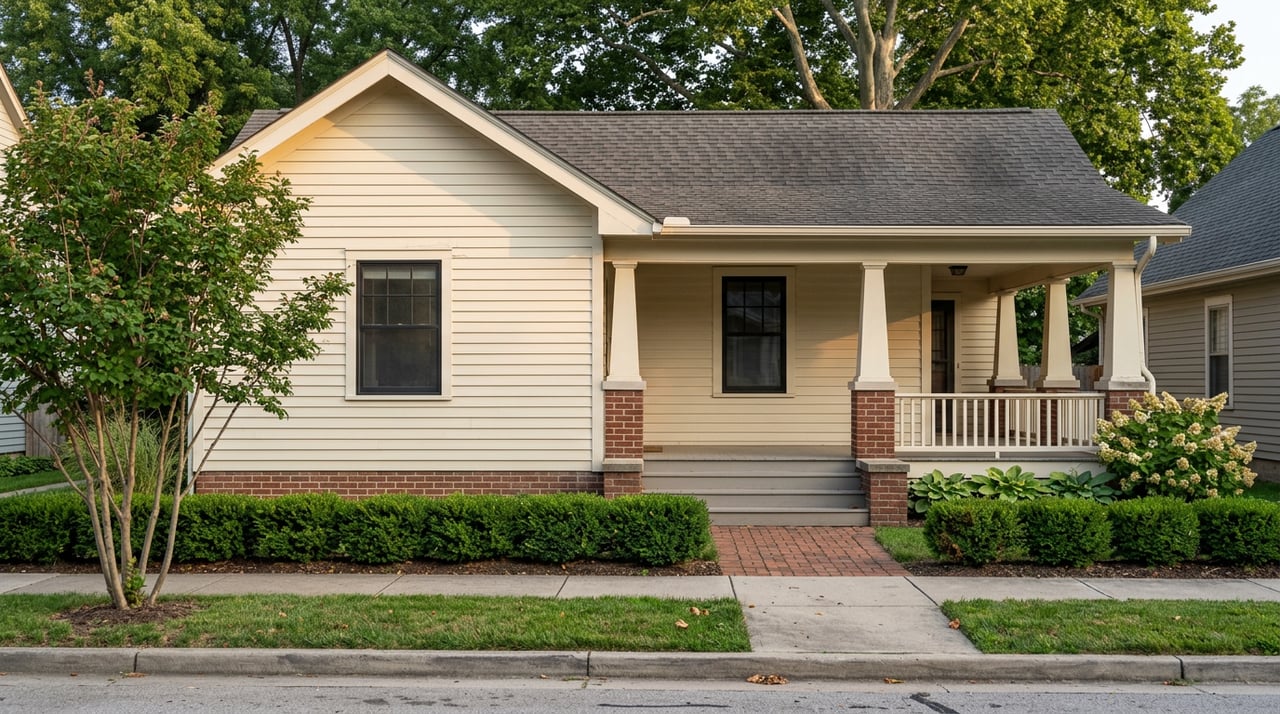
- Porches and exterior woodwork. Porch sills, rails, and column bases often rot. Restoring open front porches typically returns value and improves curb appeal.
- Windows and storms. Original wood sash are often repairable. Reglazing, weatherstripping, and storms can boost comfort with minimal visual change. See NPS guidance in the Preservation Briefs collection.
- Electrical, plumbing, and HVAC. Older service panels, ungrounded outlets, knob‑and‑tube or cloth wiring, and galvanized plumbing are common. Budget to update for safety and code.
- Lead, asbestos, and hazardous materials. Pre‑1978 homes may have lead paint. Expect lead‑safe work practices and certified contractors where required.
- Radon. Iowa has higher radon prevalence than many states. Testing and mitigation are routine parts of due diligence. Review the state’s buyer guidance in the Iowa HHS radon fact sheet.
Red flags to watch for:
- Chronic moisture, peeling paint, or interior efflorescence.
- Masonry repointed with hard Portland cement mortar.
- Enclosed original porches or removed original features that may affect contributing status.
- Missing or altered historic windows visible from public ways that could trigger added review.
Update strategies that respect character
Start with a preservation mindset: repair over replace, keep big changes at the rear, and make upgrades reversible when you can.
- Exterior first. Fix roofs, gutters, flashing, grading, and foundations before cosmetic work. This protects historic fabric and prevents ongoing damage.
- Windows. Favor sash repair, reglazing, weatherstripping, and interior or exterior storms. If replacement is truly necessary, match original dimensions and patterns. See the NPS Preservation Briefs for window guidance.
- Siding and trim. If the home has non‑historic aluminum or vinyl over wood, consider careful removal and repair of original siding. Match profiles and details if replacement is needed. The city Handbook outlines appropriate approaches.
- Energy and comfort. Start with attic insulation and air sealing before invasive wall work. Upgrade mechanicals with high‑efficiency options that do not compromise exterior character.
- Additions. Keep additions to the rear, compatible and subordinate in massing and materials. Meet with preservation staff early to review concepts.
Phase your renovation and budget well
Phasing keeps you on track and avoids rework.
- Immediate safety and code: electrical hazards, structural stabilization, active leaks.
- Building envelope: roof, gutters, flashing, foundation drainage, and needed masonry repointing.
- Mechanical systems: electrical service, HVAC, plumbing.
- Energy and comfort: attic insulation, air sealing, storm windows or repaired sash plus storms.
- Kitchens, baths, and interior finishes.
- Curb appeal and landscaping: porches, paint, steps, and walks.
Set a healthy contingency. Typical renovations carry about a 10 to 20 percent contingency. For older or significantly altered historic homes, plan closer to 20 to 25 percent because hidden conditions are more likely. See general budgeting guidance from AmeriSave. Get multiple written contractor bids, ask for itemized scopes, and require references for historic work.
Use local incentives for exterior work
Iowa City’s Historic Preservation Fund offers grants and no‑interest loans for qualified exterior rehabilitation that meets local guidelines. Funding typically covers 50 percent of eligible exterior project costs up to $5,000 per project. Common examples include wood window and storm repairs, removing non‑historic siding, masonry repointing, and porch restoration. Apply and secure approval before work begins, follow the city guidelines and the Secretary of the Interior’s Standards, and submit two contractor estimates and receipts for reimbursement. Get full details and examples in the city’s Historic Preservation Fund program guide.
Avoid over‑improvement
Stay aligned with neighborhood value by studying recent comparable sales for similar vintage and condition in Northside and Longfellow. Talk with a local agent who works these districts before committing to high‑end finishes that comps will not support. Focus spend where buyers notice and value it: sound envelope, restored porches, balanced energy upgrades, and a fresh but not overbuilt kitchen and bath. When in doubt, phase visible upgrades after you confirm market feedback.
Quick buyer checklists
Pre‑offer checklist
- Verify the property’s status on the city’s district maps and in the Handbook to see if it is contributing or non‑contributing.
- Ask the seller for past COAs, permits for exterior work, and any Historic Preservation Fund records.
- Order a full home inspection by an inspector familiar with older homes. Add roof, chimney, structural, and sewer scopes as needed.
- Order a radon test and confirm mitigation if levels exceed EPA action levels.
After you are under contract
- Engage an architect or contractor who knows local guidelines and can prepare COA‑ready drawings. Submit early for staff review.
- Build a timeline that includes HPC filing deadlines, monthly meetings, and permit processing.
- Get at least two detailed contractor estimates for major scopes and for any HP Fund application. Apply for funding before work starts.
Partner with a design‑forward Northside expert
Buying and renovating in a historic district is absolutely doable when you have a clear plan and the right team. If you want guidance on value, scope, and presentation that respects the district while meeting your goals, reach out to Adam Pretorius. We can help you analyze comps, plan approvals, and align design with the market so your investment performs.
FAQs
What is a Certificate of Appropriateness in Iowa City?
- A COA is city approval required for exterior work that changes a historic property’s appearance, as defined in the city code.
How long does historic review take in Iowa City?
- Routine COAs often take 4 to 8 weeks after a complete submission, and the Historic Preservation Commission meets monthly per the posted HPC schedule.
What home styles are common in Northside and Longfellow?
- You will see Queen Anne, Greek Revival, early 20th‑century forms, and in Longfellow, Moffitt stone cottages, as outlined in the city’s Historic Preservation Handbook.
What should I inspect first in a historic Iowa City home?
- Start with structure and foundations, roofs and drainage, electrical and plumbing safety, and hazardous materials, then proceed to windows and finishes.
Can I replace windows in a historic district?
- Repair is typically preferred and often feasible; replacement may be allowed only when repair is not possible and the new units match historic proportions, per NPS Preservation Briefs.
Are grants available for exterior work on historic homes in Iowa City?
- Yes. The city’s Historic Preservation Fund offers grants and no‑interest loans for qualifying exterior projects. See the program guide for requirements.