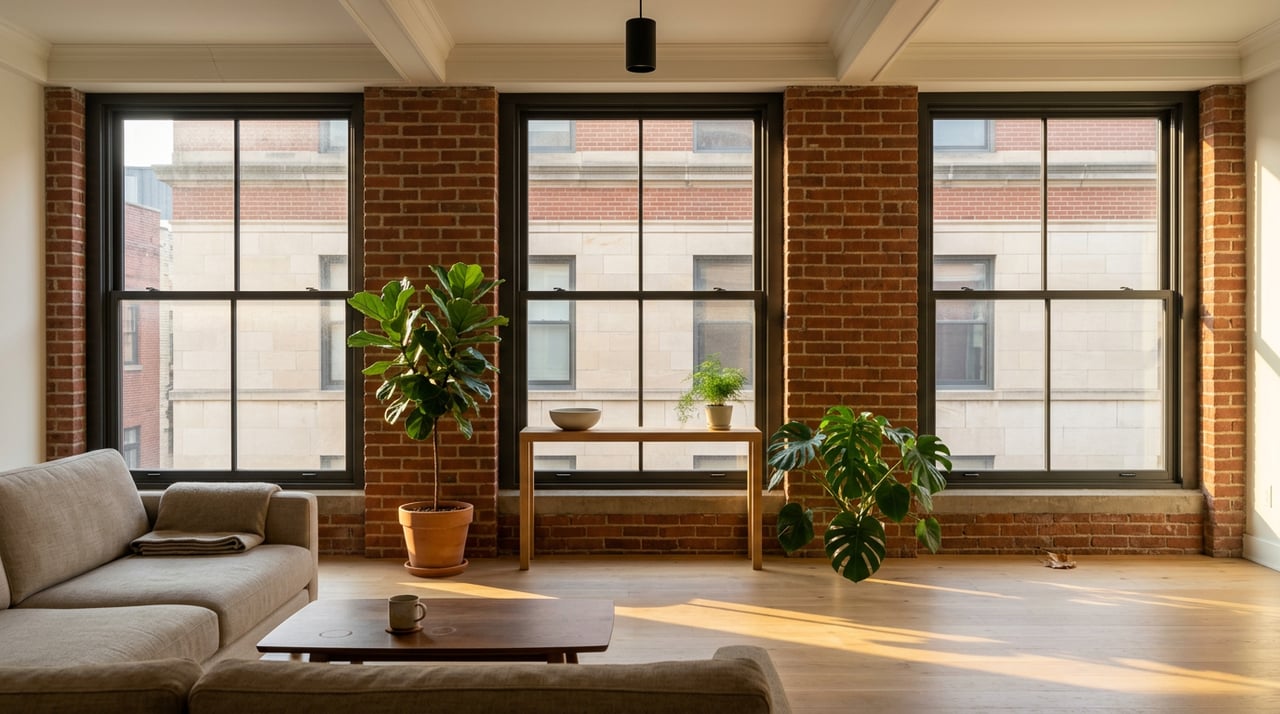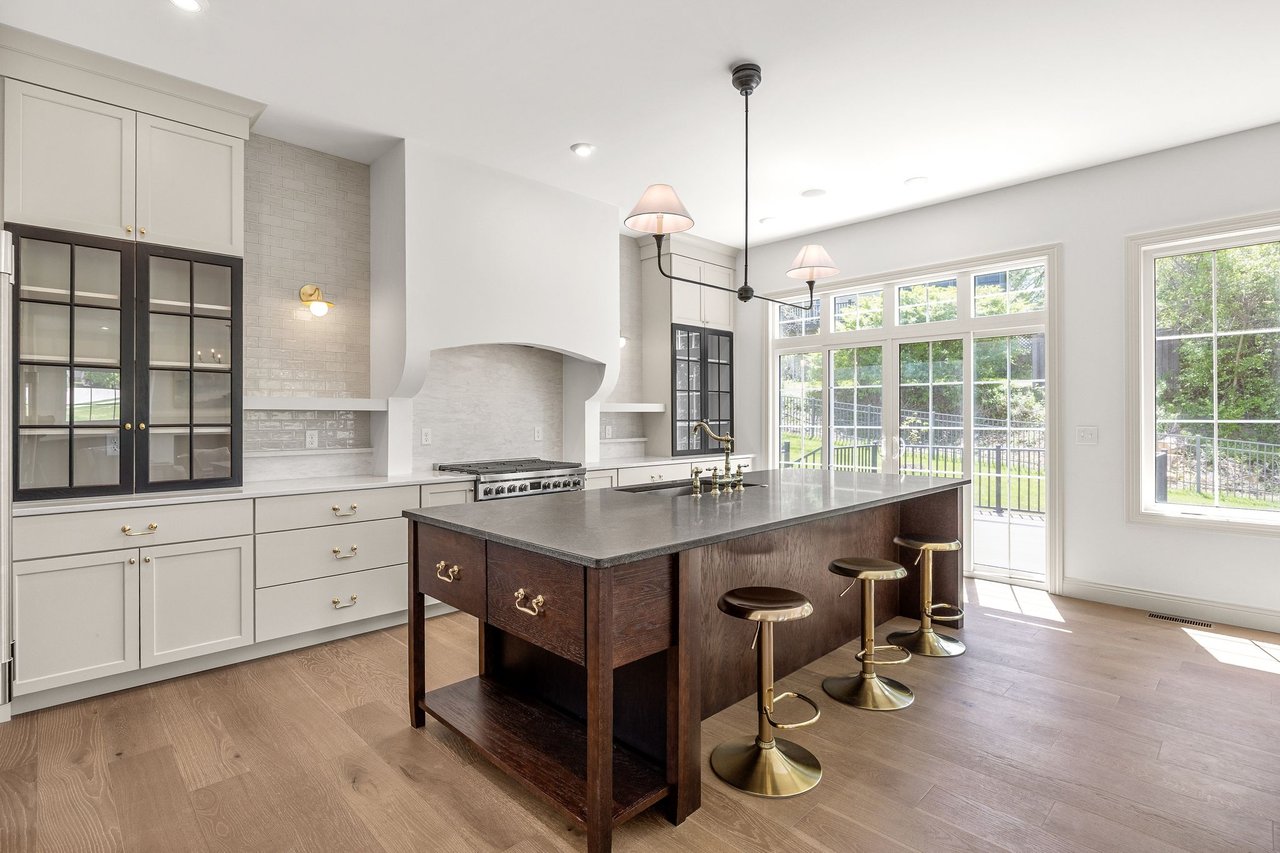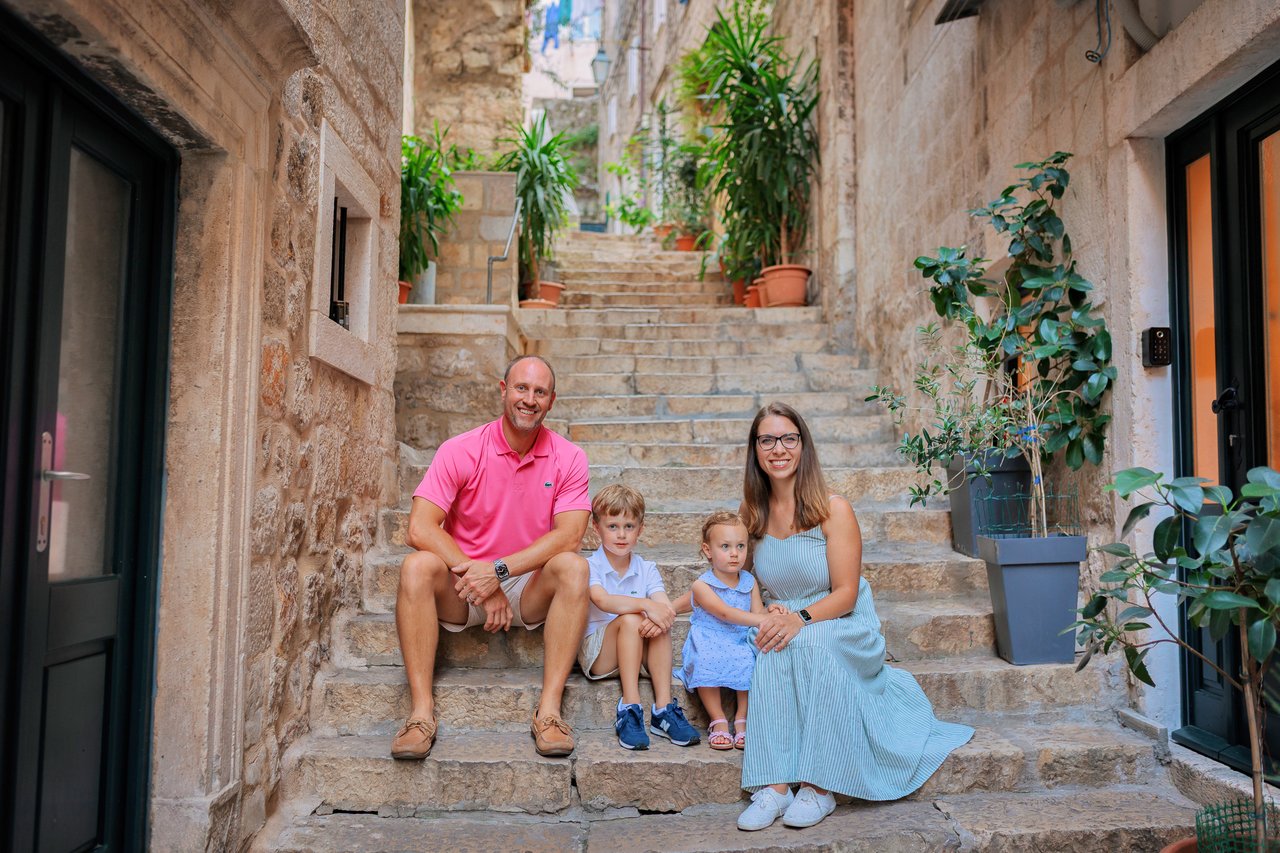
I have been traveling to Europe a lot in recent years. And I’m not alone.
The post-pandemic European travel binge is still going. In August 2025, American travel to Europe was up 5.6% from the year before. By October, it was 6.8%. France alone welcomed more than five million American visitors during 2025 (me being one of them)—a 17% increase in just one year!
That had me thinking…forget the souvenirs. Are Americans also bringing home design ideas? Is it just me, or has Europe quietly taken over our mood boards?
Americans have always borrowed from Europe. Colonial, Georgian, Tudor, French Country and Mediterranean homes all have European roots. Even our traditional American architecture is, in many ways, an adaptation of something that came before it. But this moment feels a little different.
After years dominated by Modern Farmhouse, Scandinavian minimalism, and an almost endless supply of gray interiors, American homes are beginning to feel warmer, older, and more 'collected'. We’re seeing rustic woods, natural stone walls, and vintage pieces—but get down into the details and the European influence becomes even clearer.
Limestone, unlacquered brass, plaster walls, aged woods, European oak, marble, arches, courtyards, library lights, layered lighting, shutters, old-world hardware, painted cabinetry, natural linens and wool…kitchens that look more like furniture than rows of factory-made boxes. None of these materials or ideas is new. And actually, that’s the point.
Okay, of course, “European design” is an absurdly broad category. An English cottage does not look like a Venetian palazzo. A Paris apartment does not look like a stone house along the Croatian coast. Scandinavian interiors are different from those in southern Italy, Portugal or the French countryside. But there is a thread connecting many of them.
European homes are often allowed to show their age. Floors are imperfect. Walls are uneven. Materials develop a patina. Furniture does not always match. A room may contain something inherited, something antique, something contemporary and something that has probably been sitting in the same corner since Napoleon was causing trouble. The result feels collected rather than constructed.
And that may be what Americans are bringing home—not one particular European style, but permission to mix periods, accept imperfections and let a home develop over time (a mature next step of ‘maximalism”).
When we travel, we experience design differently than we do scrolling through inspiration photos. We walk across limestone floors polished by generations of footsteps. We eat in restaurants inside buildings older than our country. We stay in hotels with plaster walls, tiny courtyards, antique furniture and windows that do not appear to have been ordered from the same supplier as every other window on the block. Those experiences become references.
Then social media multiples the effect. One person visits an Italian villa, posts the weathered shutters and suddenly thousands of people who have never been to Italy are saving the image to a kitchen or exterior-design folder. Travel starts the idea!! But then Instagram sends it to the suburbs…to the masses.
I’m not alone in this observation, design publications are also reflecting the same shift. Vogue’s 2026 trend report focused on lived-in interiors, natural and reclaimed woods, unfitted kitchens, tactile metalwork and rooms with more visible personality. Country Living has similarly highlighted unfitted European kitchens, patina-rich finishes and British-inspired rooms that feel storied rather than minimalist. Some might argue the exact labels—English country, modern cottage, Alpine nostalgia, Mediterranean villa, monastic interiors—but the direction is consistent: less perfection, more character.
After spending several weeks traveling with my family along the Adriatic coast, I came home noticing European influence everywhere. Perhaps I was simply paying more attention. Or perhaps my vacation had quietly rearranged my design brain.
I recently added old-world hardware, including lion door knockers, and exterior shutters to some of my rental properties. At my own home renovation—more on that project later—I incorporated arches and French-inspired wall paneling. None of those choices recreate a European house, sure, because hey I am not building a Venetian palazzo in Iowa City (my neighbors can relax). But the references are there.
That is how design influence usually works. We do not return home and perfectly reproduce what we saw. We borrow a material, a proportion, a color, or even just a feeling. Then we reinterpret it for the way we live here.
I have also been reporting on the growing cottage trend, which may be the clearest expression of this movement. The Wall Street Journal’s reader-selected 2025 House of the Year was not the largest or most modern property in the competition. It was a whimsical 1925 storybook cottage in California’s Carmel Highlands. That feels meaningful.
A cottage represented nearly everything the previous era of American design pushed aside. It favors human scale over enormous open spaces. Individual rooms over one giant room. Natural materials over perfectly manufactured surfaces. Quirky rooflines, little passages, built-ins, window seats, and corners that exist simply because they are charming. Cottages feel as though they grew over time—even when they are brand new.
And no, I’m not suggesting the cottage trend means every house needs to become small, dark, or covered in floral wallpaper. It is more about creating intimacy. Breaking large spaces into moments. Choosing things with texture and history. Maybe it’s allowing a room to be comfortable instead of constantly camera-ready. And that’s a curious thought because for years, luxury meant pristine. Now luxury increasingly means personal.
I don’t think Americans suddenly want to live exactly as Europeans do. Our houses, lifestyles, and expectations are different. But I do think travel has made us more aware of what is missing from many newer American homes. We want rooms with stories. Materials that improve with age. Architecture that feels connected to a place rather than selected from a nationwide catalog. We want homes that look as though someone lives in them—not homes permanently staged for resale (guilty). And if you take anything from this blog, we want details that are a little 'imperfect'—those are the character details we crave.
As I reflect on my recent travels, perhaps the greatest souvenir from a European vacation is not something that fits inside a suitcase. It is a design idea that changes how you live once you return home. Or maybe we are all just trying to make the vacation last a little longer.
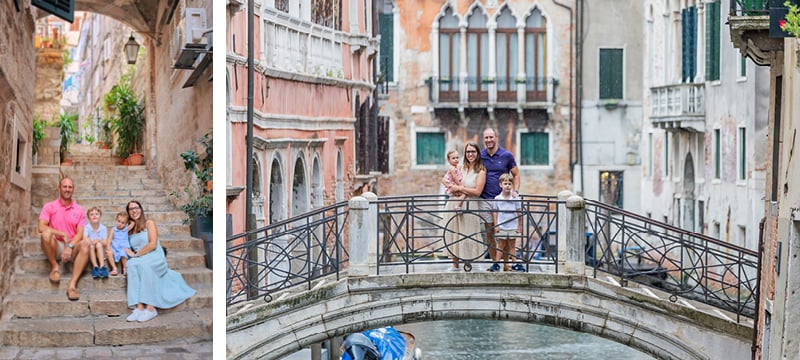
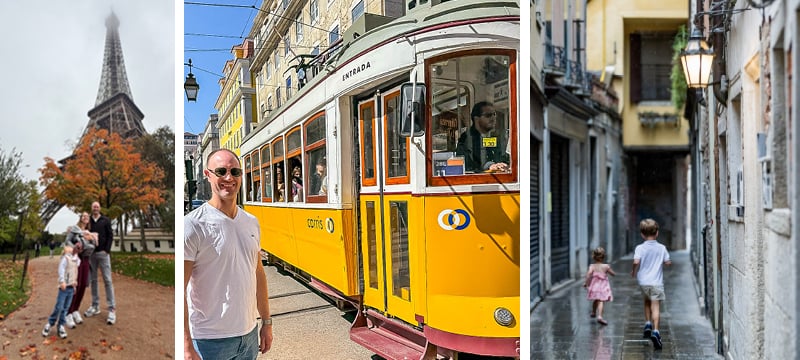
📸 Our recent travels have taken us through Portugal, London, Paris, Croatia, Slovenia, Scotland, and Norway. I came home with thousands of architectural and design photos—and plenty of ideas I’m now borrowing for projects here in Iowa City.
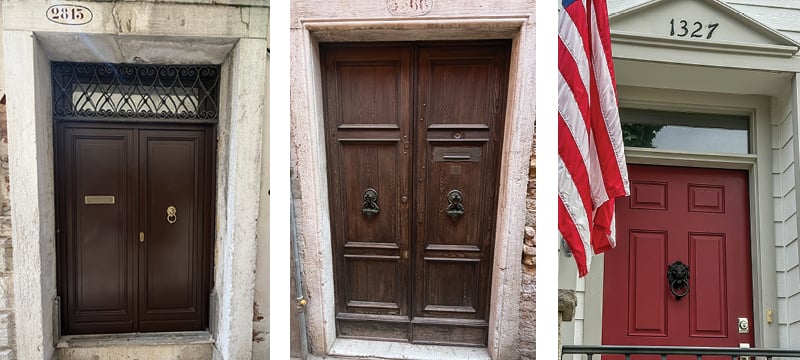
📸 In Venice, I kept noticing lion-head door knockers. Then it dawned on me: I had seen them in London, across Europe, and now they’re trending in the U.S. too. I loved the history behind them, so naturally I added one to one of my rental properties—with an American flag flying overhead.